
Tag: GlobalPayments

  • 5 Tips for Managing Your Business Cash Flow to Ensure Smooth Operations

    5 Tips for Managing Your Business Cash Flow to Ensure Smooth Operations

    Cash flow is the lifeblood of any business. It’s the constant movement of money into (income) and out of (expenses) the business. While profit is important, a healthy cash flow ensures you have enough money on hand to cover your day-to-day operations, invest in growth, and weather unexpected bumps.

    Let’s take a quick look at some tips for managing your cash flow effectively.

    The Goal is to Maintain a Positive Cash Flow

    Positive cash flow means more money is flowing into your business than out. This ideal scenario allows you to comfortably cover expenses, invest in future opportunities, and build a financial safety net.

    On the other hand, negative cash flow occurs when expenses exceed income. This can lead to a strain on resources, difficulty paying bills, and limited growth potential.

    The ultimate goal of cash management is to ensure a positive cash flow. This way, your business avoids unnecessary financial strain and has enough resources to grow.

    5 Tips for Managing Your Business Cash Flow

    1. Know Your Numbers: Forecast and Track

    Imagine running a retail store without any sales forecasts. You wouldn’t know how much inventory to order, leading to potential stockouts or an overabundance of unsold products that tie up valuable capital. A cash flow forecast functions similarly, but for your finances.

    A forecast, even a simple one, is your crystal ball. It helps you predict future income and expenses, allowing you to make informed decisions.

    Here’s how to create your cash flow forecast:

    • Gather Data: List all your income sources (sales, subscriptions, investments) and expenses (rent, salaries, inventory) for a specific period (month, quarter, year). Be as detailed as possible.
    • Project Forward: Based on historical data, industry trends, and upcoming sales plans, estimate future income and expenses for the chosen period.
    • Track and Adapt: Don’t treat your forecast as set in stone. Monitor actual income and expenses regularly. Update your forecast as needed to reflect reality and stay ahead of potential cash flow shortfalls.

    2. Streamline Invoicing for Faster Payments

    Constant delays in receiving payments from clients can disrupt your cash flow. One way to ensure a smooth flow of incoming funds is by creating a more efficient invoicing system. Here are some key strategies to streamline your invoicing process and encourage faster payments from clients:

    • Be Prompt: Don’t let invoices languish on your desk or in a folder on your PC. Send them electronically as soon as a project is completed or goods are delivered.
    • Offer Incentives: Consider early payment discounts (like 2% off if paid within 15 days) to encourage faster payments from clients. This can improve your cash flow significantly.
    • Provide Multiple Payment Options: Make it easy for customers to pay you. Offer multiple payment methods, like credit cards, bank transfers, or online payment gateways.

    Remember, a friendly yet firm follow-up email for overdue invoices goes a long way. You could even implement an automated reminder system to nudge forgetful clients.

    3. Manage Expenses Strategically

    Think of your cash flow as a bathtub. Income (sales, investments) is like the faucet filling the tub, while expenses (rent, salaries, inventory) are the drain. You want to make sure your drain isn’t a gaping hole that’s enabling wastage, so you can maintain a positive cash flow.

    Here are a few tips for managing your expenses:

    • Review Regularly: Schedule regular reviews (monthly or quarterly) of your expenses. Analyze each cost and identify areas for potential savings.
    • Renegotiate and Shop Around: Don’t be afraid to renegotiate contracts with suppliers for better rates on things like rent, utilities, or office supplies. Consider getting quotes from alternative vendors to see if you can secure a more competitive price.
    • Prioritize Payments: Not all expenses are created equal. Prioritize critical payments like payroll and rent to avoid penalties or disruptions. Strategically delay non-critical payments (within reasonable credit terms) to free up cash flow in the short term.

    4. Embrace Technology: Automate and Streamline

    Technology offers a treasure trove of tools to streamline your business operations and improve efficiency. When it comes to cash flow management, embracing the right technology can help you free up time, avoid errors, and gain valuable insights to keep your cash flow healthy.

    Here are a few ways tech tools can help your cash management process:

    • Accounting Software: Invest in accounting software that automates tasks like data entry, categorizes transactions, and generates reports. This saves time, reduces errors, and gives you a clear picture of your cash flow.
    • Integration is Key: Look for software that integrates with your bank accounts. This allows for automatic download of transactions, eliminating manual data entry and ensuring accuracy.
    • Reporting and Insights: Use the reporting features of your accounting software. Generate reports to analyze trends, identify areas for improvement, and make data-driven financial decisions.

    5. Ensure Smooth Foreign Currency Flow

    Doing business internationally opens exciting growth opportunities, but it also introduces a new element to manage: foreign currency. When you conduct international business, you need a way to receive payments in various currencies and access those funds promptly. Delays can disrupt your cash flow and hinder your ability to settle business expenses on time.

    This is where a global business banking solution like Graph comes in. We provide international bank accounts denominated in major currencies like the U.S. dollar (USD), British pound (GBP), and euro (EUR). What’s more, these accounts offer rapid settlement times, allowing you to receive and access your foreign currency earnings quickly and efficiently.

    Cash Flow is King

    A healthy cash flow is the foundation for a resilient and adaptable business. The good news is that with a little planning and proactive management, you can keep your cash flow healthy and your business thriving.

    As you tick the necessary boxes required to maintain a healthy cash flow, don’t forget to prioritize a reliable international banking system for faster access to your funds.
    Sign up on Graph to get started.

  • How to Effectively Negotiate with Your International Vendors and Suppliers

    How to Effectively Negotiate with Your International Vendors and Suppliers

    The world is at your fingertips when you tap into the vast network of international vendors. From unique products to competitive pricing, sourcing from the global marketplace opens doors to exciting possibilities for your business.

    However, navigating the complexities of international trade can be daunting. One crucial skill to master is negotiation — a tool to secure better rates and terms with your international suppliers.

    Why Negotiation Matters

    Negotiation often gets a bad rap, conjuring images of high-pressure tactics and aggressive bargaining. But effective negotiation with international vendors is far more nuanced. It’s about fostering a strong, long-term relationship built on mutual benefit.

    By openly discussing your needs and understanding your vendor’s perspective, you can create win-win scenarios that benefit both parties. This can lead to:

    • Mutual Understanding: Openly discussing pricing, payment terms, delivery schedules, and other details ensures both you and the vendor get a fair deal. This transparency creates trust and lays the groundwork for a smooth, ongoing partnership.
    • Win-Win Solutions: Negotiating allows you to explore creative solutions beyond just price. Perhaps you can negotiate faster shipping for time-sensitive projects, extended warranties for peace of mind, or access to exclusive product lines not readily available elsewhere.
    • Building Long-Term Relationships: International partnerships can be invaluable for your business’s growth. By negotiating with respect and understanding your vendor’s needs, you set yourself up for a successful, long-term collaboration.

    Essential Strategies for Negotiating with Vendors and Suppliers

    1. Research is Key

    Knowledge is power, especially when negotiating across borders. Before even contacting a vendor, embark on a thorough research mission:

    • Market Research: Dive deep into the industry you’re dealing with. Identify current market value for the product or service you’re interested in and analyze competitor pricing and industry trends. This equips you with a strong baseline for negotiations.
    • Vendor Research: Research the vendor’s reputation and pricing structure. Look for customer reviews and testimonials to gauge their reliability and customer service.
    • Logistics Research: Understand the logistics involved in international trade. Research shipping costs, customs regulations, and potential delays associated with your target country.

    2. Build Rapport

    Negotiations don’t have to be a tense battleground. Building rapport with your vendor goes a long way toward creating a positive environment for a successful negotiation.

    • Respectful Communication: Treat your vendor with respect and professionalism. Remember, they’re your potential business partners.
    • Ask Questions: Show genuine interest in their business. Ask questions about their products, services, and experience. This demonstrates your seriousness and helps you understand their needs.
    • Cultural Awareness: Be mindful of cultural differences. Research communication styles and business etiquette specific to the vendor’s country.

    3. Think Beyond Price

    While price is a significant factor, it’s just one piece of the puzzle. Consider the entire value package your vendor offers:

    • Quality & Reliability: Prioritize quality and a reliable track record. Negotiate for consistent product quality and timely deliveries.
    • Delivery Options: Explore different shipping options. Negotiate expedited shipping for urgent orders or negotiate bulk order discounts that can offset higher shipping costs.
    • Payment Terms: Discuss payment terms that work for both parties. Consider negotiating extended payment terms, especially for large orders.
    • Value-Added Services: Explore any additional services the vendor might offer. This could include product customization, training sessions, or after-sales support.

    4. Know Your Alternatives

    Don’t limit yourself to one vendor. Research other vendors offering similar products or services, especially if the initial negotiation doesn’t meet your expectations. Having alternatives keeps your current vendor motivated to offer a competitive deal.

    • Compare Offers: Get quotes from multiple vendors. This allows you to compare pricing, terms, and value packages offered by different suppliers.

    5. Document Agreements

    Once you’ve reached an agreement, don’t rely on memory. Ensure everything is documented clearly to avoid misunderstandings later.

    • Formalize Agreements: Draft a formal contract or memorandum of understanding (MOU) outlining all agreed-upon terms. This includes pricing, payment terms, delivery schedules, quality control procedures, warranty details, and dispute resolution mechanisms.
    • Review and Clarify: Carefully review the document with the vendor and ensure both parties understand and agree to all terms.

    Grow through Negotiation

    Negotiation isn’t just about getting a lower price; it’s about unlocking the full potential of your international partnerships. With such conversations, you can secure better rates, improve your operations through faster shipping or additional services, and ultimately cut cost, all of which can fuel your business growth.

  • How to Choose a Corporate Card Provider for Your Business

    How to Choose a Corporate Card Provider for Your Business

    Imagine empowered employees making purchases with ease, clear expense tracking for your finance team, and valuable insights into your spending habits. Corporate cards offer this reality, but choosing the right program can be tricky, what features truly matter for your business?

    This short guide cuts through the confusion, outlining the key features to consider so you can select the perfect corporate card program and unlock a world of streamlined expenses and empowered teams.

    Key Features to Consider When Choosing a Corporate Card Provider

    Choosing a corporate card provider isn’t a one-size-fits-all situation. The ideal program will depend on your company’s size, spending habits, and desired level of control. Here are some key features to consider when making your selection:

    1. Card Options

    Not all corporate cards are created equal. Look for a provider that offers a variety of card options to cater to different needs. This might include physical cards for everyday purchases, virtual cards for online transactions, and single-use cards for specific vendors or travel.

    2. Spending Controls and Limits

    Empower your finance team with the ability to set spending limits and controls for each card. This could involve setting limits on specific categories (e.g., no more than $50 per meal), restricting purchases to certain vendors, or requiring pre-approval for larger transactions.

    3. Rewards and Rebates

    Let’s face it, everyone loves a good reward. To give you even more value, some corporate card providers offer rewards programs that can directly benefit your bottom line. This could include cash back on purchases, points redeemable for travel, or discounts with specific vendors.

    4. Expense Management Tools

    However, you should look beyond the plastic! Beyond just spending, a good corporate card program should be integrated with robust expense management tools. Specifically, this setup allows employees to easily submit receipts electronically, categorize expenses on the go, and ultimately generate reports for streamlined reconciliation.

    5. Real-Time Transaction Tracking

    In tandem with expense tools, you can gain peace of mind with real-time transaction tracking. By doing so, you can monitor spending activity as it happens, identify potential issues early on, and consequently ensure your employees are staying within their budgets.

    6. Security Features

    Of course, all of this tracking means nothing without protection, making security paramount. Therefore, it is wise to choose a provider that offers robust security features to protect your company’s financial data. This could include multi-factor authentication, fraud detection tools, and additionally, chip-and-PIN technology for added security.

    7. Customer Service

    Even with the tightest security, however, bugs can happen. Let’s face it, even the best programs encounter hiccups. Because of this, you should opt for a provider with a responsive customer service team to promptly address any questions your employees might have.

    8. Integration with Existing Systems

    Finally, don’t forget about software compatibility. A seamless integration with your existing accounting software or payroll system can ultimately save your finance team a ton of time and headaches.

    9. Fees and Rates

    Don’t get blindsided by hidden fees! Be sure to compare annual fees, foreign transaction fees, late payment fees, and interest rates before making your decision. While some providers offer cards with no annual fees, they might have higher interest rates or transaction fees.

    Graph Corporate Cards: The Only Corporate Card Solution You Need

    Graph Corporate Cards are meticulously designed to address the challenges businesses face when making and tracking payments for business expenses. Here’s how they empower your team and simplify your financial processes:

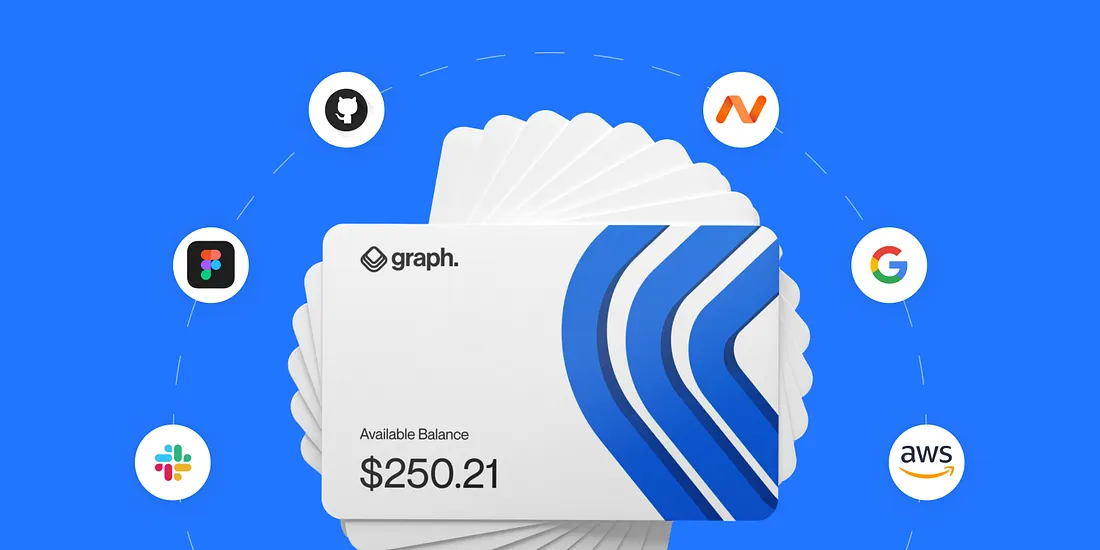
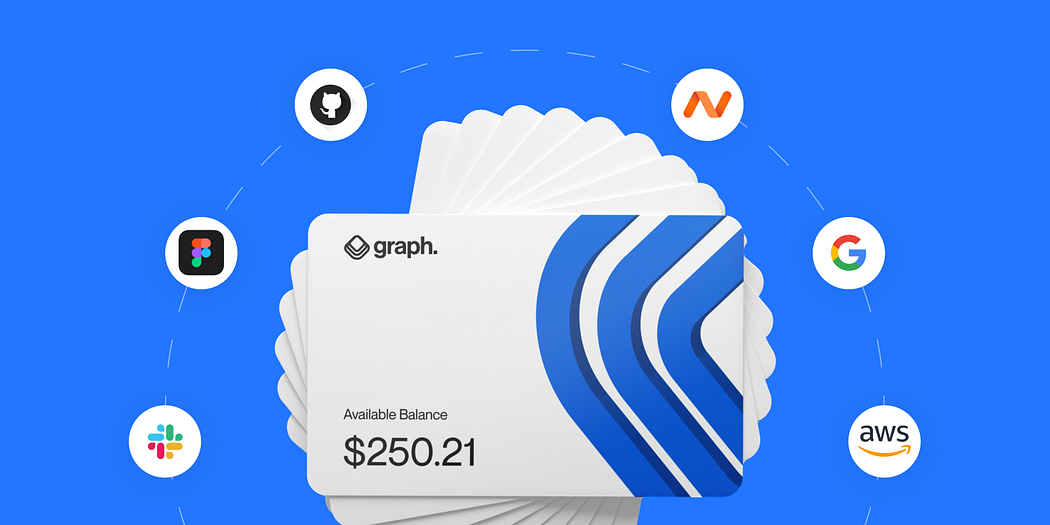
    • Unlimited Cards: Issue as many virtual cards as you need for streamlined spending, thereby eliminating the need for personal funds and tedious reimbursements.
    • Centralized Control: At the same time, you maintain complete oversight with a user-friendly dashboard. From here, you can track business payments in real time and instantly freeze, unfreeze, or decommission cards.
    • Effortless Tracking: Because of this centralized visibility, you can say goodbye to manual reconciliation. Instead, automatic reporting from a single source simplifies tracking business payments across all departments.
    • Advanced Security: Of course, flexibility requires protection, which is why we provide advanced security. Specifically, 3D Secure technology safeguards your company’s finances against unauthorized spending.
    • Digital Wallet Convenience: To make daily spending even easier, our cards offer digital wallet convenience. This allows your team to make secure, faster online and in-store payments through direct integration with Apple Pay and Google Pay.
    • Worldwide Acceptance: Finally, you can take these benefits anywhere. Enjoy worldwide acceptance with Visa-powered cards that are welcomed by millions of vendors globally.

    Choose Graph Corporate Cards for the best features. Sign up to get started!

  • How to Save Money On International Transactions

    How to Save Money On International Transactions

    The world of business is becoming increasingly globalized. Companies of all sizes are working with partners, vendors, and employees located all over the world. This opens exciting opportunities for growth, but it also introduces the challenge of making international payments. Sending money overseas can be a complex process and can come with hefty costs that eat away at your profits.

    Here’s the good news: there are smart ways to save money on international transfers. Read on to find tips on how to beat down the costs of international payments and keep more money for your business.

    Ways to Send Money Internationally

    1. Traditional Banks

    While familiar and convenient, banks often have high transaction fees and unfavorable exchange rates for international transfers. They may also charge additional fees for intermediary banks involved in the transfer process.

    2. Money Transfer Services

    These services specialize in international payments and can offer faster transfer times than banks. However, they can also have high fees and mark-up exchange rates, reducing the amount of money your recipient receives.

    3. Online Platforms

    Newer online platforms offer a more streamlined and potentially more cost-effective way to send money internationally. They often boast lower transaction fees and more competitive exchange rates compared to traditional banks and money transfer services. However, it’s crucial to choose a reputable platform with a strong track record for security.

    Cost of Sending Money Internationally

    No matter which method you choose, there are three main cost factors to be aware of:

    1. Transaction Fees

    This is a flat fee charged by the service provider for making the transfer. It’s important to compare these fees between different providers.

    2. Hidden Fees

    Beware of additional fees that may not be readily apparent upfront. These can include charges for currency conversion, intermediary banks, or international payment processing. Always read the fine print carefully!

    3. Exchange Rates

    The exchange rate determines how much foreign currency your recipient receives for your original amount. Not all providers offer the best exchange rate. Some may mark up the rate, giving you less value for your money. Furthermore, exchange rates constantly fluctuate, so being aware of current market rates can help you optimize your transfer timing.

    Tips for Saving on International Payments

    1. Negotiate Rates

    If your business makes frequent or large transfers, don’t just accept the exchange rate and fees your bank or money transfer service offers. Think of it like any other business expense — there’s room to negotiate.

    By showing them you’re a frequent customer transferring significant amounts, you might be surprised by what they’re willing to do to keep you happy.

    Here’s how to approach the conversation:

    • Gather your info: Find out how much you typically transfer and how often. The more business you bring them, the stronger your negotiating position.
    • Research the market: Use online tools or talk to other currency exchange services to get a sense of competitive rates. This arms you with knowledge of what a fair deal looks like.
    • Be polite but firm: Explain your business needs and that you’re looking for a more competitive rate on international transfers. Mention the research you’ve done, and be clear that you’re open to exploring other options if they can’t offer a better deal.

    Remember, the worst they can say is no. But with a little legwork and a confident approach, you could save your business a significant amount of money on those international transfers.

    2. Compare Providers

    It’s tempting to stick with your regular bank for everything, but international transfers can be an area where loyalty can cost you money. For one, traditional banks aren’t always the most competitive. Many banks add a markup to the exchange rate, meaning you get less foreign currency for whatever currency you’re exchanging. They may also have hidden fees that can add up quickly, especially for frequent transfers.

    Plus, there’s now a whole universe of online money transfer services out there, and many specialize in international transfers. The cherry on top is that they typically offer much more competitive exchange rates and lower fees than traditional banks.

    Here’s how to find the best deal:

    • Shop around: Don’t be afraid to compare rates and fees from different providers. Many services offer online quote tools that let you see exactly how much your transfer will cost upfront.
    • Look beyond headline rates: Focus on the total cost of the transfer, including any hidden fees. Some providers may advertise a low headline rate but then surprise you with additional charges.
    • Consider your business needs: Do you need super-fast transfers or the ability to send large amounts? Some providers specialize in specific speed or volume requirements.

    3. Use Local Currency Accounts

    Multi-currency or foreign bank accounts, offered by some banks and online money transfer services, allow you to hold balances in various foreign currencies. This removes the need to convert your entire holding to the recipient’s currency every time a transfer is needed.

    Some multicurrency accounts offer reduced transaction fees, especially for transfers between your held currencies. This can be particularly beneficial if you often make international transfers.

    Several services, like Graph, allow you to take advantage of multi-currency accounts. These services often partner with banks around the world, enabling you to open foreign bank accounts denominated in various currencies directly through their platform. This way, they allow you to hold and transfer funds in various currencies, giving you more control over exchange rates and transaction fees.

    4. Make Bulk Transfers

    Whenever possible, try to combine multiple small international payments into fewer, larger transfers. This strategy can significantly reduce the overall transaction fees you incur. Many money transfer services, including banks, charge a flat fee per transfer. By grouping payments, you spread this fixed fee across a larger sum, effectively lowering the fee per recipient.

    Many online money transfer services offer features specifically designed for bulk payouts. Graph, for instance, allows you to efficiently send payments to multiple recipients in a single transaction, potentially saving you money on fees.

    5. Monitor Exchange Rates

    Exchange rates constantly change, just like stock prices. By keeping an eye on these changes, you can save your business money on international transfers.

    Many free websites and apps offer live exchange rate tracking with alerts. Set these up for your chosen currency pair to get notified when the rate reaches a target you set. This way, you don’t have to constantly monitor the rate yourself.

    When the rate dips and the alert triggers, that’s your cue to make the transfer. Let’s say the euro is usually strong, but right now, it’s a bit weaker compared to the dollar. This is a good time to send your money because you’ll get more euros for your dollars, saving your business money.

    While monitoring exchange rates can be helpful, it’s not always a sustainable cost-saving strategy. Fluctuations can be unpredictable, and waiting for the perfect rate might delay business operations.

    Make Cheaper and Faster International Payments with Graph

    Saving money on international transfers can improve your bottom line and free up more funds to grow your business. You just have to look out for smart ways to do this without introducing inefficiencies into your operations.

    At Graph, we understand the importance of efficient and cost-effective international money transfers. That’s why we offer US dollar accounts, allowing you to receive and make international payments in USD, a widely accepted and stable currency, potentially saving you on conversion fees. We also offer competitive exchange rates and bulk payout options. 

    Get started on Graph today.

  • A Quiet Milestone at Graph Finance

    A Quiet Milestone at Graph Finance

    Every so often, a moment arrives that invites you to pause and take a breath. For us at Graph Finance, crossing $2.5 billion in processed transaction volume is one of those moments. It is a number, but it carries the weight of many relationships, decisions, and leaps of faith from the businesses that rely on us every day.

    How We Began

    Graph Finance did not start with a wide reach or a big brand; we began as Oval, a small team of people who cared deeply about one idea. We believed that businesses in emerging markets deserved a simpler way to connect with the world through payments. We spent our early days building tools, asking questions, and learning from customers who were willing to take a chance on us.

    As time passed, our work grew beyond what we first imagined. The name Oval could no longer hold the scope of what we were building. We adopted a new name, Graph Finance, because it reflected something essential to us. It spoke of connection, movement, and the ways people and businesses link together across continents.

    A Quiet Turning Point

    At the start of 2024, we stepped out of private beta. Around the same time, we welcomed an African unicorn as one of our first major integrations.
    There was no big celebration. Instead, it felt like a quiet confirmation that the choices we had made were the right ones. Our infrastructure was holding up. Our systems were dependable. The work was beginning to matter on a larger scale.

    What the Number Means to Us

    The $2.5 billion milestone did not arrive suddenly. It grew slowly, shaped by the trust of businesses that chose Graph to support their most important financial operations.

    When we look at the number, we see moments behind it.

    • A new company finding its footing while paying a global team
    • A retail brand discovering new customers outside its home country
    • A fintech exploring cross border capabilities and choosing Graph to support them
    • A business in Lagos, Nairobi, or Kigali stepping into global markets with confidence

    These moments remind us that payments are not abstract. They reflect hope, ambition, and the belief that growth is possible.

    What Guides Us Forward

    The way we build at Graph has always been shaped by a few steady principles.
    Graph aim to keep our systems responsive so businesses can move quickly when they need to. We try to make our processes easy to understand so teams can plan with clarity. We design for dependability because financial operations rely on trust, not guesswork. These ideas guide our decisions every day.

    What Comes Next

    Crossing $2.5 billion is meaningful, but it is only one point on a longer path.
    We are working toward a world where businesses in emerging markets can operate globally without feeling the weight of unnecessary barriers. A future where a company in Lagos or Nairobi or Accra can grow beyond its borders as naturally as one in London or New York. This is the future we are building toward, one step at a time.

    A Thank You From All of Us

    To every business that has placed their trust in Graph, we want to say thank you. Our partners who have supported our mission, we are grateful, and to the team working behind the scenes to make our infrastructure stronger each day, your effort shows in every milestone we reach.

    This moment belongs to all of you. We look forward to everything that comes next.

  • Why We’re Building a Global Business Banking Solution at Graph

    Why We’re Building a Global Business Banking Solution at Graph

    Ever since we kicked off Graph, we’ve been reminiscing about the journey that led us here. We’ve been in the shoes of the customers we’re aiming to help now, and in this article, we are providing a candid look into why Graph is building a global business banking solution.

    The Global Landscape: Full of Challenges and Opportunities

    Ditch traditional banking delays, complex forms, and hidden fees. Instead, turn to Graph’s Global Payout System, which delivers fast, cost-effective payments across 90+ countries. With features like next-day settlement, you can instantly boost your cash flow while simultaneously strengthening your partner relationships.

    How Graph’s Global Business Banking Solution Empowers Businesses

    Graph’s global business banking platform is not just a service, it’s more or less a support system designed to help businesses rise above the limitations of traditional banking as they seek to operate and thrive on a global stage. To make this a reality, our solution offers businesses the following benefits:

    1. Streamlined Global Transactions

    Skip the headaches of traditional international banking, like complex forms, hidden fees, and long delays. Our Global Payout System lets businesses send funds across 90+ countries quickly and cost-effectively. With Graph, settlements take less than 24 hours (not days), accelerating your cash flow and strengthening partner relationships.

    2. Simplified Expense Management in Multiple Currencies

    Managing global expenses across multiple bank accounts is a logistical nightmare that completely kills transparency. Fortunately, Graph’s Multi-Currency Accounts solve this by design by consolidating your international funds into a single platform. This means you can easily track all your global finances in one place, thereby eliminating the headache of multi-bank reconciliation.

    3. Enhanced Security and Control with Corporate Cards

    Traditional expense management methods often rely on cash advances or personal credit cards, which can lead to security risks and difficulty tracking expenses. We’ve built a better alternative- Virtual and Physical Visa Corporate Cards. These cards empower businesses with both streamlined spending and robust security features, such as 3D Secure technology, that limit the risk of fraud.

    Plus, unlike traditional corporate cards that may have limitations on international use, our cards are globally accepted by Visa merchants. This allows your employees to make authorized purchases, including paying for ads, travel, etc., anywhere in the world, eliminating the need for cash advances or inconvenient currency exchanges.

    4. Effortless Market Expansion

    The global B2C e-commerce market is projected to hit $7.9 trillion by 2030. To help you capture this massive opportunity, Graph’s global banking solution allows businesses to bypass traditional banking hurdles and scale effortlessly. Specifically, with our multi-currency accounts, even businesses in emerging markets can seamlessly manage funds globally. As a result, you can unlock new customer bases and finally compete on a level playing field.

    Grow with Graph

    This is only the beginning. As we evolve, we will be expanding our support for additional countries and currencies. We’re also committed to maintaining an open dialogue with our customers, ensuring our global business banking solution keeps evolving to address current and emerging needs. By doing so, you can concentrate entirely on excelling at what you do best—scaling your business globally and serving your customers. After all, with Graph, your growth journey is, and will always remain, a partnership in progress.

    Are you ready to unlock your full potential in the global marketplace? If so, get started with Graph today to experience everything from streamlined global transactions to effortless expense management. Step up and join the future of global business banking.

    sign up with Graph today!

  • Corporate Spending Made Easy: Graph Corporate Cards

    Corporate Spending Made Easy: Graph Corporate Cards

    Streamline business expenses

    Managing business expenses is like balancing a scale. You need to empower your team to easily make purchases essential for day-to-day operations and seize opportunities that drive growth. Yet, maintaining control over company funds and ensuring responsible spending is crucial.

    This leaves you wondering: “How can I streamline spending without compromising on accountability?” Your answer has two words, “corporate cards”.

    What are Corporate Cards?

    Corporate cards are debit or credit cards specifically designed for businesses. They empower employees to easily cover authorized expenses without the hassle of using personal funds and waiting for reimbursement.

    For employers, corporate cards include features that enable oversight and accountability, such as spending limits and real-time expense tracking. In essence, they help you achieve that balance between convenient and controlled spending.

    With Graph Corporate Cards (debit), striking this balance is even simpler and easier.

    What are the Defining Features of Our Corporate Card Offering?

    1. Centralized Control and Real-time Insights

    To help you create that win-win situation of keeping your team agile and your company’s spending in check, we offer a simple solution. You can easily issue individual USD debit cards to each department, all connected to a single, user-friendly platform.

    This way, you delegate spending authority while maintaining complete control from one hub. This allows you to set spending limits, track transactions in real-time, and ensure all expenses align with your company’s financial goals.

    Having this central control hub also simplifies expense reporting, as you automatically have a single source of truth for real-time spending insights across all departments. Such insights can also help you identify spending trends, pinpoint areas for potential optimization, and make informed decisions about budget allocation across the entire company.

    2. Advanced Security

    Card fraud losses reached $32.34 billion in 2021. So we get it: unauthorized spending and security breaches are valid concerns when issuing corporate cards. The good news is that primary card issuers are beefing up security with more sophisticated technology, such as improved versions of 3D Secure (3DS), which fortifies our cards at Graph.

    Think of 3DS as an additional layer of verification that guards against fraudulent or suspicious activity, keeping your company’s finances safe.

    3. Digital Wallets Linkage

    About half of global online purchases in 2022 were made through mobile wallets, making them the most popular way to pay online. This trend is expected to keep growing, with mobile wallets accounting for over 54% of all online payments by 2026. Digital wallets are also expected to be responsible for 33.4% of all point-of-sale spending by 2024.

    This is why we’ve ensured that you can easily link Graph Cards to popular digital wallets such as Apple Pay and Google Pay for faster online and point-of-sale payments. This not only streamlines the process for everyone but also adds a layer of convenience that today’s tech-savvy workforce craves.

    4. Worldwide Card Acceptance

    Graph Cards grant your business global accessibility when it comes to payments. The reason is our physical and virtual cards are issued on the Visa network, which means acceptance is practically everywhere.

    Say your employees have to fly overseas for crucial meetings. By putting Graph Cards in their wallets, paying for flights, hotels, meals, and supplies becomes a cakewalk. Consequently, there are no more worries about currency exchanges or carrying loads of cash. Instead, it’s a simple swipe or tap, and they are good to go.

    5. Unlimited Cards

    To offer you even more flexibility and freedom, we’ve ensured that you can issue as many cards as required. Imagine having the freedom to create cards for each department, project, or even team member, all without worrying about limits.

    This not only streamlines expense management but also enhances transparency and accountability within your organization. Such granular control also empowers you to gain deeper insights into spending patterns and optimize your financial management strategies.

    What Can You Do with Graph Corporate Cards?

    • Subscription Services: Set up recurring payments for software subscriptions, memberships, and other regular services.
    • Marketing and Advertising Campaigns: Allocate funds for marketing initiatives, digital advertising, and other promotional activities.
    • Employee Travel and Accommodation: Enable employees to easily settle travel expenses, including flights, hotels, meals, and transportation.
    • Expense Tracking for Projects: Create dedicated cards for expenses related to specific projects, allowing for easy tracking and reporting.

    Streamline Corporate Spending with Graph Cards

    With our corporate cards, we are offering you a simple yet robust solution for managing business expenses. Specifically, you can shift from juggling multiple payment methods and tedious expense tracking to effortlessly empowering your team with secure cards. In turn, this setup streamlines spending, enhances accountability, and ultimately provides real-time insights into your company’s financial health.

    Embrace an easier way to manage corporate spending. 

    Get started on Graph today.

  • How Multi-Currency Accounts Can Transform Your Business and Streamline Your Global Finances

    How Multi-Currency Accounts Can Transform Your Business and Streamline Your Global Finances

    Multi-currency business account

    The potential perks of doing business internationally are mouthwatering. You can build a network of global suppliers who can deliver the best materials at competitive prices, offer your solutions to customers around the world, and tap into the global talent pool. But this also typically requires you to manage multiple currencies at once, which can quickly become a nightmare.

    You either have to juggle several foreign currency accounts across multiple platforms or grapple with unfavourable exchange rates that can eat into your profits. There has to be a better way, right?

    This is where multi-currency accounts come in. They serve as a connected network of accounts that allow you to manage multiple currencies under one roof. Read on to discover how they can transform how you do business and conduct international transactions.

    Understanding Multi-Currency Accounts

    Imagine a central command centre for your international finances. That’s exactly what multi-currency accounts are, tools that enable you to transact with multiple foreign currencies in one place. They function as a unified hub, granting you access and control over a network of foreign bank accounts, all conveniently consolidated in a single platform.

    This removes the need to manage a web of separate bank accounts and login credentials across different platforms, streamlining your financial operations and saving you valuable time.
    So how does it work? You sign up on a platform like Graph. Through the platform, you can easily open foreign currency accounts in the specific currencies you need for your business operations, for instance, USD, EUR and GBP accounts.

    Once your accounts are set up, you can manage them all from the platform’s central hub. This includes viewing your balances, initiating transactions (sending and receiving payments), and tracking activity, all in one place and in your preferred currency.

    Benefits of Multi-Currency Accounts

    Here are some of the ways integrated multi-currency accounts can simplify your international financial operations and help you thrive in the global marketplace:

    1. Efficient International Finance Management

    Remember the scramble for multiple bank app login details or outdated exchange rate panic? Fortunately, modern multi-currency account platforms completely eliminate these international finance frustrations. Instead, they replace a tangled web of accounts with a single, unified platform for managing multiple currencies.

    Specifically, this central hub grants you instant access to all your foreign currency accounts,thereby letting you initiate transactions, track payments, and reconcile statements all with a few clicks. Ultimately, this streamlined approach frees up valuable staff resources and empowers you to operate with greater agility in the global marketplace.

    2. Reduced Costs and Improved Cash Flow

    Traditional foreign transactions often come with hefty fees, including account maintenance charges and exorbitant conversion rates. But multi-currency account platforms offer significant cost savings.

    They have clear fee structures, often lower than traditional banks, and typically offer better rates. Plus, you get real-time visibility into all your accounts and funds, allowing for smarter cash flow management. It’s like having a financial spotlight on your global business, helping you keep more money in your pocket.

    3. Enhanced Transparency and Risk Management
    Managing disparate foreign currency accounts can lead to a foggy picture of your overall financial position. Transaction details get scattered, and keeping track of currency fluctuations feels like a guessing game. This lack of transparency can lead to costly but avoidable mistakes.

    Multi-currency account platforms can help you avoid bending backwards to reconcile financial details across multiple banks. To do this, they offer real-time account balances across all currencies, detailed transaction history, and insightful reporting tools. Armed with this data, you can easily track trends, identify potential risks associated with currency fluctuations, and ultimately make informed decisions with confidence.

    4. Better Supplier Relationships

    Building strong relationships with international suppliers is crucial for any business venturing into the global marketplace. But traditional methods of international payments can introduce friction and create roadblocks to fostering trust and collaboration. However, multi-currency accounts help you avoid such pitfalls.

    A multi-currency account platform offers a smoother and more efficient payment experience for your suppliers. One primary way it does this is by allowing you to initiate international payments quickly and securely in your suppliers’ preferred currency. Not only does this eliminate delays caused by traditional banking methods, but it also ensures your suppliers receive their funds faster, ultimately boosting their cash flow and fostering deep goodwill and a sense of reliability.

    5. Improved Global Image that Attracts New Customers
    The ability to receive payments in various currencies goes beyond mere convenience. It’s a strategic advantage in today’s interconnected marketplace as it empowers you to tap into new customer segments across the globe, regardless of their local currency.

    One of the easiest ways to do this is by using multi-currency accounts. With one, you can enable customers to pay you in various currencies. This removes a layer of friction from the buying process, making it easier for international customers to choose your company.

    6. Streamlined Payroll Management for International Employees
    Access to a wider talent pool can propel your business forward, but managing international payroll can quickly turn into a logistical headache, especially when dealing with multiple currencies, as traditional methods often involve hefty conversion fees and delays in transferring funds.

    Having a central hub to manage multiple currency accounts changes this reality by streamlining the process of paying your international employees. You can hold the necessary funds in their designated currencies, eliminating the need for last-minute conversions and associated fees. This translates into faster and more efficient payroll processing, ensuring your employees receive their salaries on time and in their preferred currency.

    Who Needs Multi-Currency Accounts?

    If your business interacts with the global marketplace in any way, a platform that lets you manage multiple foreign accounts can be a valuable tool. Here’s a quick rundown of businesses that can benefit:

    • Importers and Exporters: If you buy or sell goods internationally, you already know how critical it is to pay and receive funds in various currencies.
    • E-commerce Businesses: Similarly, if you are selling your products or services online to a global audience, multi-currency accounts are essential to simplify managing payments from international customers.
    • Startups: Even if you are an early-stage company, having international ambitions means you can leverage multi-currency accounts to seamlessly manage foreign payments and receive funding from overseas investors.
    • Companies with International Workers: Finally, you can manage payroll, expenses, and local transactions for your distributed teams with absolute ease.

    Why Choose Graph?

    At Graph, we’ve further simplified international transactions by offering two solutions:

    • You can request business bank accounts denominated in major currencies, which you can manage on one dashboard. With such accounts, you can easily make and receive payments across the globe.
    • Our global payout solution provides wallets denominated in major currencies, allowing you to make bulk payments in various currencies to 90+ countries even if you don’t have a bank account.

    Alongside this flexibility, our platform offers other benefits powered by our reliable infrastructure and strong partner network, such as:

    • Same-day payment settlement
    • Competitive exchange rates
    • Secure and transparent transactions

    Ready to streamline your international finances and unlock the full potential of your global business? 

    Get started on Graph today.

  • Expense Management for Businesses_Why it Matters

    Expense Management for Businesses_Why it Matters

    Keeping a business afloat involves two crucial aspects: making money and spending it optimally. Ensuring the latter requires a clear and reliable process for tracking and managing expenses. This process, known as expense management, helps businesses track every penny spent, categorize transactions, identify areas for cost savings, and streamline the entire expense process.

    From receipt capture to reimbursement, a robust expense management system ensures every penny is accounted for, prevents fraud, and enables smarter financial decision-making.

    Let’s take a closer look into what expense management entails and why it’s important that businesses take it seriously.

    What is Expense Management?

    Expense management is the process of tracking, analyzing, and controlling your business expenditures. It’s about having a clear system in place to settle, track, record, and analyze every expense, from travel costs and office supplies to employee meals and subscriptions.

    Think of it as taking control of your business spending to ensure sound financial health. Just like a well-maintained car runs more efficiently, a well-structured expense management process keeps your business finances on track.

    So, what does this process typically entail? It’s a multi-step approach that involves:

    1. Policy Creation

    Define acceptable expenses, spending limits, and employee procedures for documentation and approvals through a clear and documented policy.

    2. Expense Tracking

    Capture and document business expenses through receipts, mobile apps, or corporate credit cards.

    3. Expense Processing

    Categorize and code expenses according to company policies for proper accounting.

    4. Payment Processing

    Settle expenses by making direct payments or reimbursing employees for out-of-pocket costs.

    5. Reporting

    Generate reports to analyze spending trends and identify potential cost-saving opportunities.

    6. Making Reimbursements

    Provide a smooth and efficient system for employees to reclaim out-of-pocket expenses.

    7. Auditing

    Maintain a clear audit trail for all expenses to ensure compliance with company policies and financial regulations.

    The good news is that there are modern tools called expense management software that can streamline these processes. They automate tasks like receipt capture, data entry, and approvals and provide insights into your company’s expenses.

    Importance of Expense Management

    1. Provides Control Over Cash Flow

    Effective expense management gives you a clear picture of how your company’s money is spent. This allows you to predict cash flow more accurately, ensuring you have enough funds to cover upcoming expenses and avoid unexpected shortfalls.

    2. Identifies Cost-Saving Opportunities

    Without a firm grasp of how your business spends money, it’s difficult to identify areas for improvement. Expense management helps you pinpoint categories where spending is consistently high. By uncovering these hidden expenses, you can make informed decisions to streamline your spending and free up valuable resources for growth.

    3. Improves Budgeting and Forecasting

    Accurate expense data is the foundation for realistic budgeting. By analyzing past spending patterns, you can create more accurate budgets that reflect your company’s true financial needs. This allows you to allocate resources efficiently and plan for future expenses more confidently.

    4. Enhances Compliance and Reduces Fraud

    Effective expense management ensures you have a system in place to document and track all spending. This makes it easier to comply with internal and external financial regulations and reduces the risk of fraud.

    5. Empowers Teams and Boost Morale

    Effective expense management isn’t just about tightening your financial belt; it’s also about empowering your teams. When employees have a clear understanding of spending policies and efficient ways to submit expense reports, they gain a sense of ownership and control over their work-related spending.

    Seamless and Streamlined Payments as a Key Pillar of Expense Management

    Expense management might seem like a world of policies, reports, and spreadsheets, but at its core, it’s driven by one fundamental thing: moving money. If how you make payments is broken, tracking your expenses, for instance, becomes tedious and error-prone, as does reporting and analyzing them.

    Here’s a closer look. The payment aspect of traditional expense management often relies on employees using personal funds to settle some expenses and waiting for reimbursements. This leads to problems such as:

    • Lost receipts and errors
    • Delayed reimbursements
    • Limited visibility into company expenses
    • Tedious reconciliation process

    Platforms like Graph help deal with these problems and streamline employee spending and, by extension, expense management, by offering corporate cards issued and managed within the same system. Employees can make purchases with these cards, eliminating the need for personal funds and simplifying expense reporting. You also maintain control over these cards and can freeze, unfreeze and decommission them.

    How Graph Corporate Debit Cards Help with Expense Management

    1. Enhanced Visibility and Control

    Having a centralized platform like Graph for managing corporate card spending offers real-time visibility into company expenses. You can see exactly how much is spent, where, and by whom. This level of control empowers businesses to set budgets for different departments or projects and track spending against those allocations.

    2. Simplified Expense Reporting Reconciliation

    Our platform streamlines the process of reconciliation by consolidating all corporate card transactions on one platform. No more sifting through different statements, you have a single source of truth for all expense-related data.

    3. Improved Employee Experience

    Corporate cards empower employees to make necessary business purchases without the hassle of using personal funds. This improves their experience at work by removing the need to wait for reimbursements and simplifying expense reporting for them.

    Get started with Graph today

    Empower your business and employees with corporate cards that simplify payments and expense management.

  • 7 Practical Ways to Cut Business Expenses

    7 Practical Ways to Cut Business Expenses

    Running a business often feels like there’s never enough time or money. While cutting costs seems like an obvious solution to financial pressure, it can be tricky. You need to find ways to save money to keep your business healthy and fuel future growth, but slashing resources in the wrong places can actually hinder your success.

    Not to worry, this article takes the guesswork out of cost-saving strategies. We’ve outlined 7 practical ways to tighten your purse strings without sacrificing quality or growth.

    What Are Business Expenses?

    Business expenses are the costs you incur to operate your business day-to-day, from keeping the lights on to paying your employees and marketing your products or services.

    These expenses can be categorized into different areas, helping you track your spending and identify potential areas for savings. Here’s a breakdown of common business expense categories, along with some examples to illustrate each:

    1. Fixed Costs: These are expenses that remain relatively constant from month to month, regardless of your business activity. Examples include:

    • Rent or mortgage for your office space
    • Salaries and wages for your employees
    • Insurance premiums

    2. Variable Costs: Unlike fixed costs, variable costs fluctuate based on your business activity. They typically increase as your sales or production levels rise. Examples include:

    • Supplies for production
    • Shipping costs for delivering your products to customers
    • Commissions paid to salespeople based on their sales volume
    • Inventory storage costs

    It’s important to note that depending on how you operate your business, some expenses can fall under fixed or variable costs at different times.

    Also, beyond this fixed vs. variable cost classification, expenses can also be categorized into operating and non-operating. Operating costs include expenses directly related to running your core business activities (employee salaries, marketing costs, etc.), while non-operating expenses cover spending not directly related to your core business activities (legal fees from a lawsuit, interest payments on loans, etc.).

    7 Strategies for Cutting Business Expenses

    1. Embrace Digital Transformation and New Technologies

    Digital transformation isn’t just a buzzword; it’s a powerful tool for streamlining operations and saving money. Specifically, by embracing new technologies, you can automate repetitive tasks and make key processes far more efficient. At the same time, this helps you avoid costly human error while gaining valuable insights to make smarter, cost-saving decisions moving forward.

    For instance, inventory control software can track stock levels in real-time, preventing overstocking and stockouts. This reduces the need for large warehouse spaces and minimizes the risk of expired or damaged products.

    AI-powered chatbots can handle basic customer inquiries 24/7, freeing up human agents for more complex issues. This translates to reduced staffing costs and improved customer satisfaction.

    2. Renegotiate with Vendors

    Don’t be afraid to revisit your existing contracts with vendors. Loyalty can be rewarding, but loyalty shouldn’t come at the expense of overpaying. Gather competitor quotes and use them as leverage to negotiate better rates for services like internet, office supplies, or shipping.

    Before entering negotiations, be clear on your current spending with the vendor and your desired outcome. This will strengthen your position and increase your chances of success.

    3. Review and Consolidate Subscriptions

    In today’s digital age, it’s easy to accumulate subscriptions for various software and services. Therefore, it pays to take some time to review your monthly recurring charges and identify any subscriptions that are underutilized or redundant.

    From there, you can consider consolidating services where possible or eliminating those that no longer provide value. To make this effortless, one highly effective actionable step is to schedule a quarterly “subscription audit” to proactively manage these expenses.”

    4. Examine Marketing Costs and Get Creative

    Marketing is essential for business growth, but traditional methods can be expensive. By taking a critical look at your marketing spend and exploring alternative strategies, you can significantly reduce costs without sacrificing reach.

    Firstly, analyze the effectiveness of your current marketing efforts. Are expensive print ads or billboards generating a strong return on investment (ROI)? Consider reallocating those funds to content marketing, where creating valuable blog posts, social media content, or even infographics can attract and engage customers for a fraction of the cost.

    Also, be open to thinking outside the box and trying out daring but cost-effective marketing tactics. For instance, until around 2022, when it spent $175,000 on ads, Tesla didn’t have an advertising budget. It instead relied on word-of-mouth marketing, organic social media buzz often driven by CEO Elon Musk’s interactions, exciting product launches and events to drive brand awareness and sales.

    5. Track Expenses Diligently

    Knowledge is power, especially when it comes to your finances. Implement a system for tracking all your business expenses, categorizing them for easy analysis. Such diligent tracking can reveal hidden and unnecessary costs, which you can scrap.

    Also, tracking your expenses can provide insights into your spending habits, which can help you allocate resources more strategically and avoid overspending in certain areas. Imagine knowing exactly how much you typically spend on office supplies each month, for instance. This allows you to set a clear budget for supplies, preventing unnecessary purchases that could strain your cash flow.

    6. Prioritize Employee Wellness and Satisfaction

    Happy employees are productive employees. Investing in employee wellness initiatives such as fitness programs or mental health resources can significantly reduce healthcare costs and absenteeism.

    Also, satisfied employees are less likely to leave, saving the time and expense of recruitment and training. After all, replacing an employee can cost between one-half and twice the worker’s annual salary.

    To boost employee satisfaction, consider offering flexible work arrangements or subsidized healthy lunches. These small investments can boost morale and create a loyal, engaged workforce.

    7. Streamline Employee Expense Management

    While implementing cost-saving measures often focuses on operational overheads and supplies, you shouldn’t overlook employee expenses. You need a well-defined process for managing and reviewing employee spending to uncover hidden costs and ensure responsible use of company funds.

    Fortunately, innovative tools like Graph can streamline this process. You can issue corporate cards to employees and automatically track all their business-related purchases. By analyzing this data, you can identify areas where potential excesses might be occurring, allowing you to take corrective action.

    Your Takeaway

    Cutting business expenses isn’t about penny-pinching, it’s about making smart and cost-saving financial choices that strengthen your company’s financial health. Graph’s cash management and corporate spending platform can be a valuable tool in achieving this goal.

    With features like multiple currency bank accounts, global payout functionalities and corporate cards, Graph allows you to streamline your financial operations, reduce the cost of international transactions, better manage your global finances, and keep a tighter grip on your expenses. 

    Get started on Graph today.