Tag: Graph

  • A System Out of Sync with Modern Business Realities 

    A System Out of Sync with Modern Business Realities 

    Cross-border payments infrastructure and global financial systems

    In a world where communication is instant and commerce is increasingly global, moving money across borders should be seamless. It should be fast, transparent, and predictable.

    But it isn’t. Cross-border payments remain one of the least evolved aspects of modern finance, quietly lagging behind the pace of innovation that defines nearly every other part of our digital lives.

    The simplicity of Illusion

    On the surface, sending money internationally feels straightforward. You initiate a transfer, enter the recipient’s details, and expect the funds to arrive.

    What happens next, however, is far from simple.

    Behind the scenes, that ‘single’ transaction moves through a chain of intermediary institutions, each responsible for routing, processing, or settlement. As a result, once currency conversions and compliance checks enter the flow, what appears to be direct quickly becomes a layered, multi-step process. The complexity may not always be visible But its effects are.

    The Hidden Cost of Legacy Systems 

    Much of today’s cross-border payment infrastructure dates back decades, long before the demands of a digital, real-time global economy. As a result, these systems fail to deliver speed or transparency. Instead, they rely on a network of intermediaries that introduce friction at every stage of the transaction.

    The result? Delays that stretch from hours into days, Fees that accumulate across multiple touchpoints, Limited visibility into where money is, and when it will arrive.

    In many cases, users face uncertainty with little control over a process that should be predictable.

    Out of Step with Today’s Financial Reality 
    The disconnect is clear. Businesses operate across continents in real time, and individuals collaborate globally without hesitation. As a result, expectations have shifted, speed and clarity are no longer optional; they are the baseline.

    Yet cross-border payments continue to function as though those expectations don’t exist.

    In 2026, moving money internationally shouldn’t feel slow or uncertain. Instead, it should be direct and predictable, without blind trust in opaque systems or tolerance for inefficiencies.

    Ultimately, global finance must reflect today’s reality, not yesterday’s limitations.

    Rethinking How Money Moves

    Fixing this isn’t about incremental improvements, we need to fundamentally rethink how we design and deliver cross-border payments.

    • This means reducing reliance on unnecessary intermediaries.
    • Improving transparency at every stage of the transaction.
    • Building systems that prioritize speed without compromising reliability.

    At its core, it means simplifying the experience.

    A More Direct Future
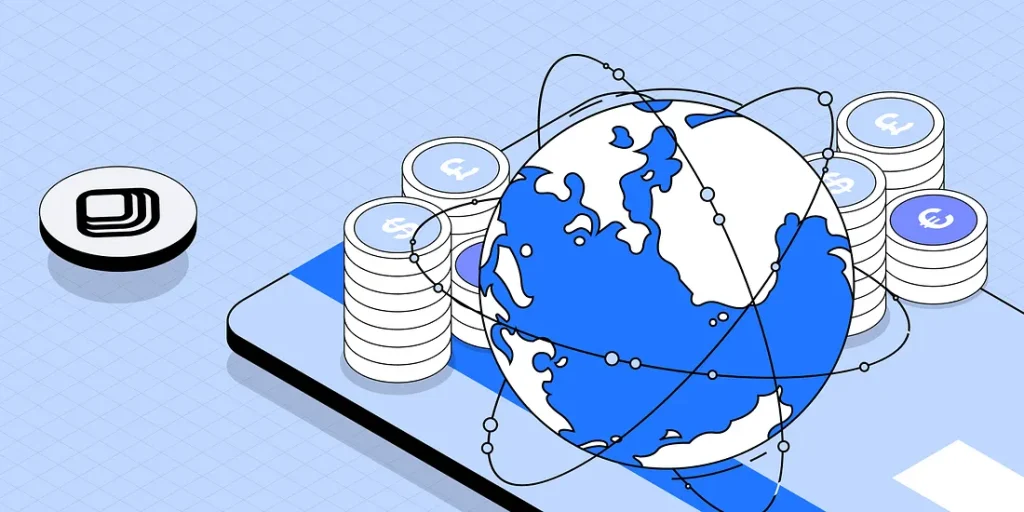
    At Graph Finance, this is the gap we’re focused on closing.

    By streamlining how money moves across borders, we’re removing the friction that has long defined international payments. The goal is not just to make transfers faster, but to make them clearer, more efficient, and more aligned with the needs of a connected global economy.

    Because sending money across borders shouldn’t feel like navigating a maze.

    It should feel direct. It should feel reliable. And above all, it should feel effortless.

    The Standard Going Forward

    The future of cross-border payments is not complicated.

    It is straightforward, efficient, and transparent.

    And it’s long overdue.

    Get started with graph.finance today

  • Finance Teams Are Sitting on Untapped Leverage

    Finance Teams Are Sitting on Untapped Leverage

    Modern finance operations and real-time financial infrastructure

    Here’s What Most Finance Teams Overlook

    Finance teams are responsible for keeping the business financially healthy, tracking performance, approving payments, and ensuring the numbers reconcile. But in many organizations, finance is still positioned as a reporting function rather than a strategic one.

    The real opportunity lies beyond the numbers.

    Too often, teams focus on what’s immediately visible: transactions, reports, and budgets. What gets missed are the structural inefficiencies and untapped insights that could make financial operations faster, more intelligent, and far more influential in business decisions.

    Cross-Border Payments Are More Strategic Than They Appear

    In many companies, international payments are treated as a simple operational task: initiate the payment, confirm the rate, and wait for settlement.

    But behind the scenes, friction adds up.

    Delayed settlements, fragmented banking systems, inconsistent FX pricing, and unexpected intermediary fees quietly affect working capital, supplier relationships, and operational efficiency. What seems like a routine transaction can ultimately influence how quickly a business moves, how suppliers trust it, and how effectively capital is deployed.

    Finance leaders who recognize this shift begin to treat cross-border payments not as a back-office task, but as an operational lever.

    The Shift From Periodic Reporting to Real-Time Finance

    Traditional finance operates on cycles, weekly reports, monthly closes, quarterly analysis.

    The challenge is timing.

    By the time insights appear in a report, the moment to act has often passed. Modern financial infrastructure changes this dynamic. Real-time visibility into transactions, balances, and currency movements allows finance teams to anticipate issues, optimize liquidity, and guide operational decisions as they happen.

    Finance moves from reactive reporting to real-time strategic guidance.

    Automation Is Redefining Operational Efficiency

    Reconciliation remains one of the most time-consuming processes inside finance departments. Matching payments to invoices, verifying settlements, and aligning bank statements can absorb hours of manual work.

    Connected systems and APIs are quietly changing this.

    Automated reconciliation reduces operational friction, minimizes errors, and frees finance teams to focus on higher-value analysis. Instead of spending time validating past transactions, teams can concentrate on forecasting, optimization, and strategic planning.

    Finance Teams That Ask Better Questions Create More Value

    Numbers alone rarely tell the full story.

    The most effective finance teams ask deeper questions:

    • Where are payment delays affecting supplier relationships?
    • Which markets are generating the most efficient cash cycles?
    • Where are foreign exchange movements impacting margins?
    • Which financial processes are slowing down growth?

    Teams that approach finance this way evolve from record-keepers to business advisors.

    The New Role of Finance

    The tools now exist to give finance teams deeper visibility, automation, and operational control than ever before. Yet many organizations still operate with legacy processes that keep finance confined to the back office.

    The teams that adopt modern financial infrastructure gain something more valuable than efficiency.

    They gain clarity, speed, and influence in how the business grows.

    Finance should not just track performance. It should help shape it.

    Discover how modern payment infrastructure can empower your finance team. Learn more at 

    www.graph.finance

  • APIs as Infrastructure: Powering Scale, Resilience, and Growth.

    APIs as Infrastructure: Powering Scale, Resilience, and Growth.

    API-driven financial infrastructure for global businesses

    In the modern financial era, the distance between a local business and a global market is no longer measured in meters; it is instead measured in milliseconds. At Graph, we believe the infrastructure of the future must rely on resilient, scalable, and high-performance APIs.

    For us, an API (Application Programming Interface) does more than connect systems. It powers how businesses scale to millions of users, move money instantly, and grow without limits.

    1. Building from Within: Our Internal Foundation

    Before building for others, we built for ourselves.

    We design Graph’s internal systems as independent services that communicate through the same high-quality APIs we offer externally. As a result, this modular approach allows each part of the system to operate efficiently without over-relying on others.

    This gives us three key advantages:

    Agility

    Consequently, our teams can introduce new features—such as multi-currency account support, without needing to rebuild the entire system.

    Consistency

    Every transaction follows the same reliable path, whether it comes from a business in Lagos or a business in London, whether in the Day or Night. This ensures accuracy and trust across the board.

    Resilience

    If one part of the system needs maintenance, the rest continues to function. This means we can improve continuously without disrupting critical operations.

    2. Enabling Businesses: APIs-driven tech as a Growth Engine

    APIs don’t just support growth, they drive it.

    When businesses integrate with Graph, they don’t just add a feature. They plug into a complete financial infrastructure.

    With Graph’s APIs, businesses can:

    Expand Globally, Faster
    Instead of spending years building financial infrastructure across multiple countries, businesses access global accounts and payment capabilities in days.

    Scale Without Limits
    Whether processing a handful of transactions or millions, our APIs maintain speed and performance. Growth should never introduce technical friction.

    3. A Higher Standard: Uptime You Can Rely On

    In finance, “mostly working” means failure. When a critical supplier needs payment, 99.9% uptime isn’t just a metric—it’s a commitment.

    At Graph, we treat it that way.

    Resilient Infrastructure
    We run our systems across multiple regions. If one location fails, traffic shifts automatically, keeping services uninterrupted.

    Real-Time Monitoring
    We track system performance continuously and resolve issues before users ever notice them.

    Security at Every Layer
    We protect every API request with strong encryption and real-time fraud detection. As the system scales, security scales with it, without compromise.

    Building the Future of Finance

    At Graph, we are building a connected financial ecosystem where businesses can operate globally with ease. In the background, our APIs power transactions, enable growth, and maintain trust. Ultimately, by focusing on uptime, resilience, and scalability, we make complex financial systems feel simple, fast, and reliable.

    Because in the end, great infrastructure shouldn’t be noticed, it should just work.

  • One Platform. Global Businesses. No Compromise.

    One Platform. Global Businesses. No Compromise.

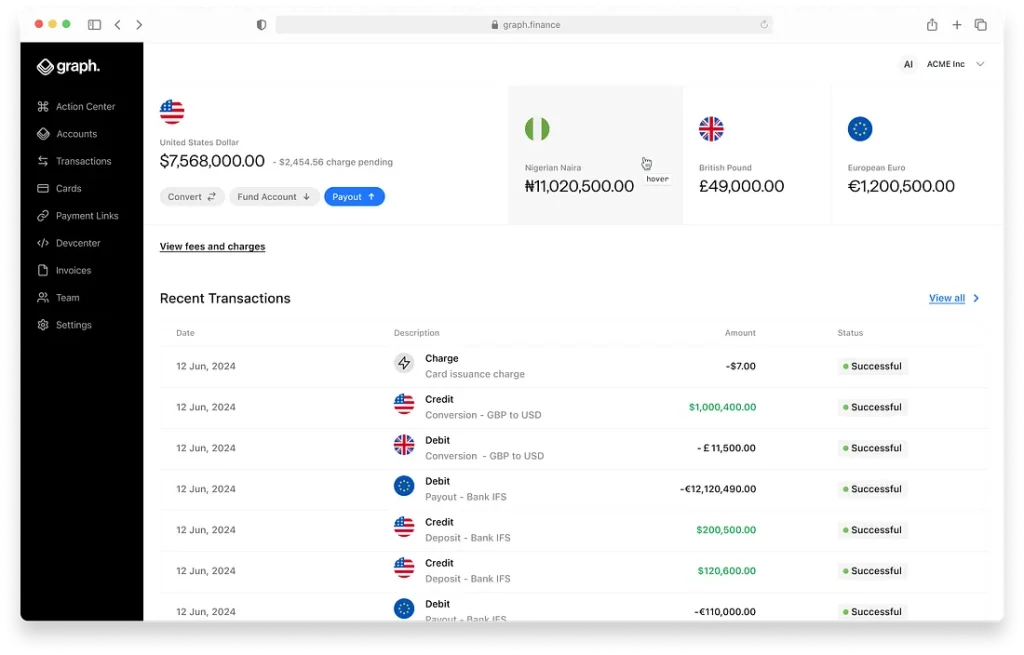
    Graph is building the financial operating system for businesses scaling beyond borders. All-in-one multi-currency wallet.

    Financial Operations Come With Too Many Moving Parts.

    Picture a fast-growing company, customers in London and Berlin, suppliers in the US and China, and a payroll team in Lagos. Someone is responsible for keeping the company’s money moving, and working. At some companies they’re the founder, at others the head of finance, or whoever runs operations. But ultimately they all face a similar problem.

    They’re reconciling bank accounts across multiple currencies, converting funds on one platform, paying contractors on another, sending supplier invoices, and approving, funding, and tracking team expense requests.

    And all of it is happening across different platforms that aren’t connected to each other. The stack grows. The overhead grows with it.

    Graph is here to change that. One platform where everything above gets handled.

    The Hidden Toll on Global Ambition

    Global commerce is accelerating at an incredible pace. To put that into perspective, cross-border trade is on track to surge from $1.47 trillion in 2025 to $4.81 trillion by 2032.

    Yet the underlying financial infrastructure hasn’t kept up, and as a result, the foundation businesses rely on to move, receive, and manage money across borders remains fragmented and slow. A patchwork of tools and workarounds costs most companies time, money, and missed opportunities, u`sually without anyone noticing.

    Graph was built to keep up with this pace. This isn’t a payment layer or a single solution patched onto whatever you’re already running. All within a single platform that connects every financial operation and makes every currency work smarter, so you can move with the speed and flexibility of a global business.

    One Platform, Multiple Connected Layers

    Graph’s platform has four interlocking layers. Here is exactly how each one works.

    The Account Layer

    At the core of the platform are real bank accounts in your business’s name, rather than the typical workarounds, third-party routing, or virtual account numbers that aren’t really yours. Specifically, Graph gives businesses actual USD, EUR, GBP, and NGN accounts. Consequently, this ensures a genuine financial presence in every market, without the overhead of incorporating in each one.”

    When you can hold, receive, and pay in the currencies your counterparties actually use, you eliminate conversion friction at every touchpoint. You price in their local terms, build trust with partners, and stop losing money and opportunities.

    The Operations Layer

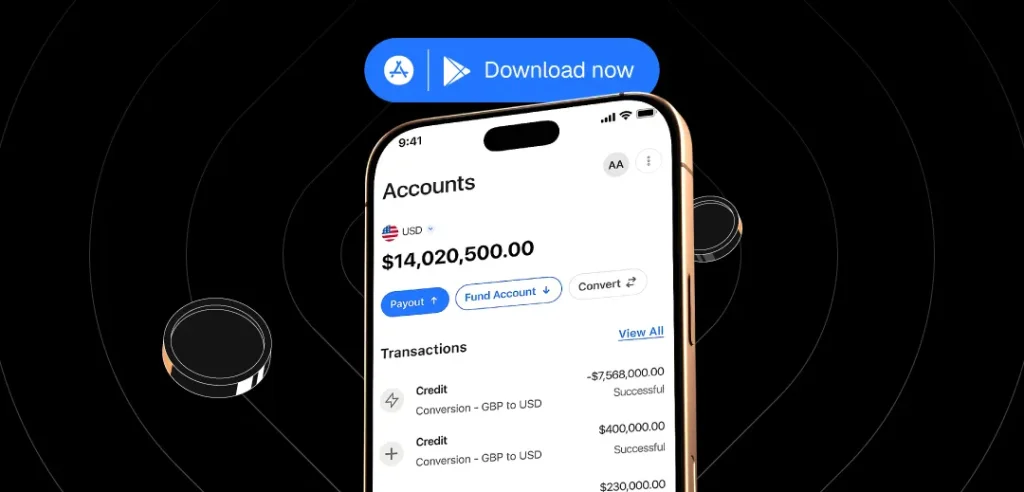
    Multi-currency wallets connect directly to your accounts, so your liquidity stays where your day-to-day operations happen. You can hold USD, EUR, GBP, and NGN balances in one place, giving you full visibility across all of them. Then, as funds flow into your accounts, they are instantly reflected in your wallets. Consequently, your money is always ready to be used, converted, or sent at a moment’s notice.

    Invoicing: Create and send invoices in any currency. With this setup, clients can pay using their preferred methods, while built-in tax compliance and a solid paper trail protect your revenue. Ultimately, this ensures your business gets paid smoothly for every service provided.

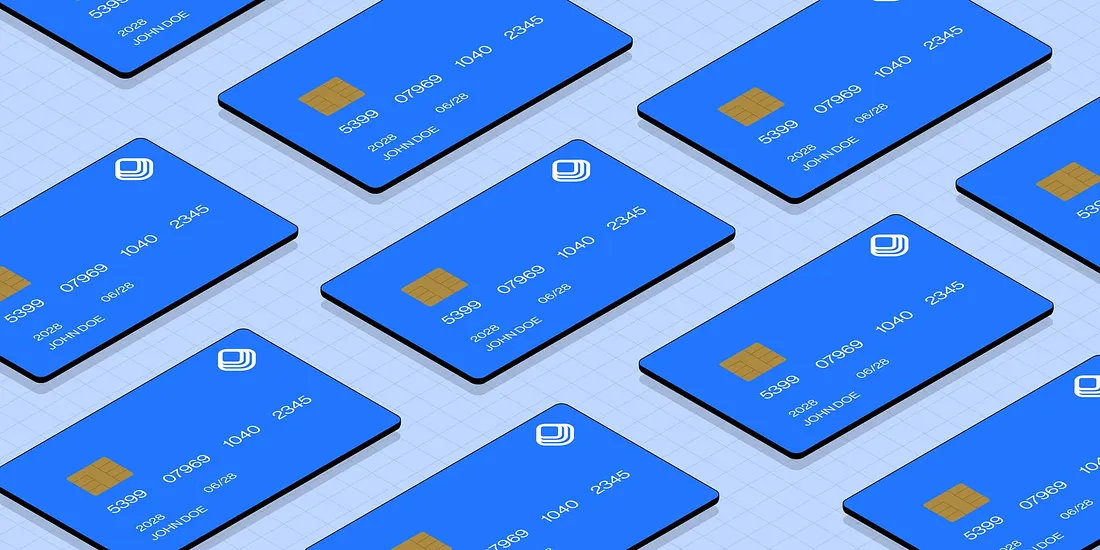
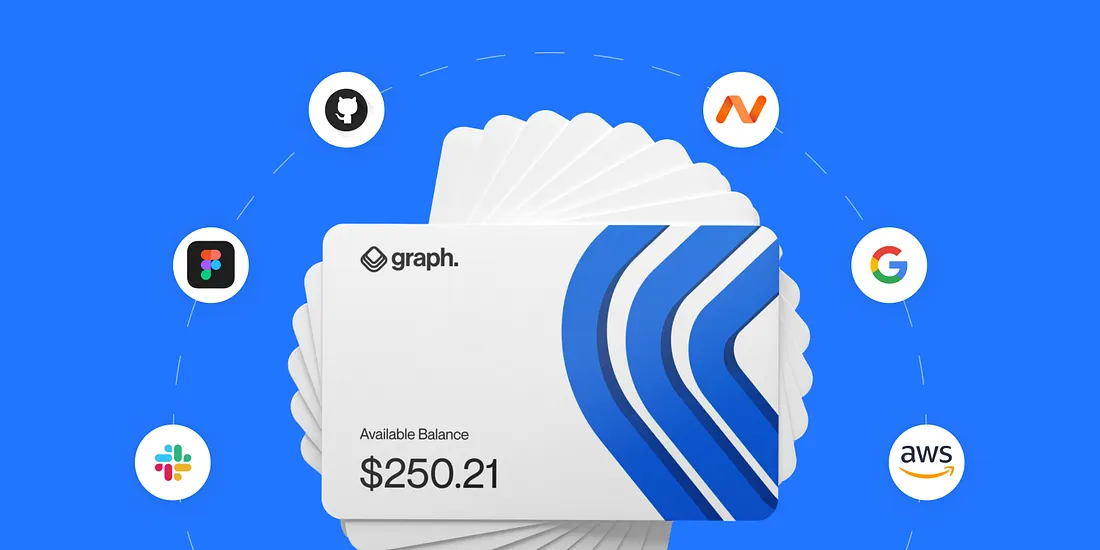
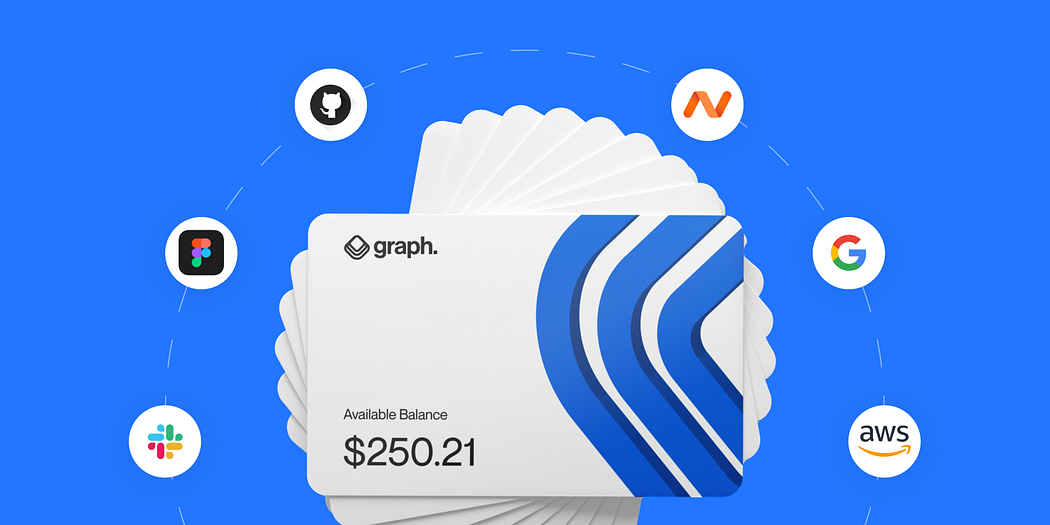
    Virtual USD Cards: Issue virtual USD cards for your team directly from the platform. Each card draws directly from your USD wallet, while you approve, fund, and track every transaction in real time without leaving the platform. The team gets what they need to spend. You keep full visibility and control over where it goes.

    This is the layer where the business actually operates, receiving funds, managing liquidity, making payments, and staying compliant throughout.

    The Movement Layer

    FX and Conversions: With Graph, you can convert between currencies directly within the platform at real rates. Imagine moving EUR from a client deposit into USD for a supplier payment, or into NGN for a payroll run, all right inside the platform. Consequently, you can bypass external FX brokers and separate tools, thereby eliminating the hidden spreads that typically eat into your margin on every conversion.”

    Payouts: Graph seamlessly converts and routes funds exactly where they need to go. Whether you’re paying USD suppliers in Shenzhen or covering NGN payroll in Lagos, you can do it all without ever switching platforms.

    Graph tracks, confirms, and reconciles every transaction in the same place.

    These two features are what keep the operations layer liquid. Money comes in through the accounts. It lives in the wallets, and then FX moves it across currencies as needed. Payouts move it out to where it needs to go. The whole flow, in, across, and out, happens without leaving the platform.

    The API Layer

    Businesses that run on Graph can also build on Graph. In addition, Graph’s API layer lets businesses embed the same capabilities directly into their own products. This means you can instantly offer accounts, wallets, payments, FX, and payouts to your customers, all without building anything from scratch.”

    The same infrastructure that solves their own operational problem becomes the product they take to their own market.

    What We’re Building Toward

    Today, the world is global. Commerce is global. In fact, teams, suppliers, customers, and ambitions all cross borders daily. Naturally, financial infrastructure should too.

    Because of this, the people from the opening of this article, the ones handling financial operations for their businesses, deserve better. Ultimately, their businesses deserve better. Every business operating across borders deserves a financial system that works with them, not against them.

    That is exactly what Graph is building: a world where, in turn, any business, anywhere, can operate financially as if it were local everywhere.

  • How Graph Helps Reduce FX Losses, Speed Up Treasury Ops, and Unlock New Markets

    How Graph Helps Reduce FX Losses, Speed Up Treasury Ops, and Unlock New Markets

    Fx losses

    In today’s fast-moving global economy, navigating cross-border finance isn’t just about sending or receiving money, it’s about doing so efficiently, affordably, and strategically. For businesses serious about global expansion, managing foreign exchange (FX) risk, streamlining treasury operations, and entering new markets with confidence is non-negotiable. That’s where Graph comes in.

    1. Reducing FX Losses Through Smarter Currency Management

    Foreign exchange volatility can be a silent profit killer. Traditional banking channels often offer unfavorable rates, hidden fees, and delays, all of which erode margins when converting funds between currencies.

    Graph’s multi-currency solutions help businesses:

    • Hold, convert, and transfer multiple currencies from a single wallet, eliminating the need for multiple bank accounts or costly intermediaries.
    • Execute FX conversions at competitive rates, meaning more of your capital stays where it belongs: in your business.
    • Mitigate unexpected swings in currency value by having real-time visibility and control over balances in USD, EUR, GBP, NGN, and more.

    These capabilities help businesses escape the traditional pitfalls of FX spread costs and timing losses, reducing unnecessary expenditure and protecting margins.

    2. Speeding Up Treasury Operations with Automation and Liquidity Control

    Treasury functions are often bogged down by manual processes, fragmented systems, and legacy banking dependencies. Streamlining these operations can unlock significant time and cost savings.

    With Graph, treasury teams can:

    • Automate core FX and payment workflows, reducing manual tasks that slow down treasury processing and increase error risk.
    • Improve liquidity management by tracking and transferring funds across currencies within a unified platform, ensuring money is where it needs to be, when it needs to be there.
    • Issue and manage virtual dollar cards for efficient global spend and procurement workflows, further accelerating operational cycles and transparency.
    • Manage treasury and FX operations holistically, giving finance teams visibility and control without the overhead of juggling multiple systems.

    The result? Faster cycle times, fewer reconciliation headaches, and treasury operations that function more like a strategic growth engine than a cost center.

    3. Unlocking New Markets Through Borderless Financial Infrastructure

    Perhaps the biggest strategic advantage of platforms like Graph is their ability to remove barriers to global expansion. Going global shouldn’t mean dealing with a tangle of local banks, multiple compliance regimes, and uncertain payment rails.

    Graph enables this by:

    • Global Reach: Supporting payments and conversions in 100+ countries, so businesses can send and receive funds virtually anywhere in the world.
    • Local Ease: Offering USD bank accounts and virtual cards instead, letting businesses transact internationally with the same ease as domestic payments.
    • API Integration: Providing GraphConnect APIs so that businesses can integrate these capabilities directly into their own product or service.

    As a result, Graph removes the traditional complexity of international payments. By introducing a unified, secure, and efficient system, we empower even startups and SMBs to compete on the global stage.

    4. Real-Life Impact: When Treasury Excellence Meets Growth Ambition

    “Recognition from global businesses across industries underscores the real operational value Graph delivers. Specifically, companies leveraging Graph’s solutions consistently report:

    • Reduced cross-border payment friction
    • More predictable FX outcomes
    • Faster settlement times
    • Improved cash flow visibility

    Crucially, these benefits don’t just streamline operations, they also unlock strategic opportunities. As a result, businesses can confidently explore new regions, onboard global customers, and thrive in markets that were once financially inaccessible.”

    Managing FX risk, treasury operations, and international expansions doesn’t need to be an uphill battle. In fact, as business finance becomes more global, forward-thinking companies require infrastructure that matches their ambitions. To meet this need, Graph Finance delivers a powerful platform that reduces FX losses, accelerates treasury workflows, and consequently empowers businesses to operate confidently across borders.

    Whether you’re expanding into new markets, seeking better control of your global cash flows, or simply tired of costly legacy systems, Graph’s unified financial platform offers a powerful alternative, one built for the future of international business.

  • How to Effectively Negotiate with Your International Vendors and Suppliers

    How to Effectively Negotiate with Your International Vendors and Suppliers

    The world is at your fingertips when you tap into the vast network of international vendors. From unique products to competitive pricing, sourcing from the global marketplace opens doors to exciting possibilities for your business.

    However, navigating the complexities of international trade can be daunting. One crucial skill to master is negotiation — a tool to secure better rates and terms with your international suppliers.

    Why Negotiation Matters

    Negotiation often gets a bad rap, conjuring images of high-pressure tactics and aggressive bargaining. But effective negotiation with international vendors is far more nuanced. It’s about fostering a strong, long-term relationship built on mutual benefit.

    By openly discussing your needs and understanding your vendor’s perspective, you can create win-win scenarios that benefit both parties. This can lead to:

    • Mutual Understanding: Openly discussing pricing, payment terms, delivery schedules, and other details ensures both you and the vendor get a fair deal. This transparency creates trust and lays the groundwork for a smooth, ongoing partnership.
    • Win-Win Solutions: Negotiating allows you to explore creative solutions beyond just price. Perhaps you can negotiate faster shipping for time-sensitive projects, extended warranties for peace of mind, or access to exclusive product lines not readily available elsewhere.
    • Building Long-Term Relationships: International partnerships can be invaluable for your business’s growth. By negotiating with respect and understanding your vendor’s needs, you set yourself up for a successful, long-term collaboration.

    Essential Strategies for Negotiating with Vendors and Suppliers

    1. Research is Key

    Knowledge is power, especially when negotiating across borders. Before even contacting a vendor, embark on a thorough research mission:

    • Market Research: Dive deep into the industry you’re dealing with. Identify current market value for the product or service you’re interested in and analyze competitor pricing and industry trends. This equips you with a strong baseline for negotiations.
    • Vendor Research: Research the vendor’s reputation and pricing structure. Look for customer reviews and testimonials to gauge their reliability and customer service.
    • Logistics Research: Understand the logistics involved in international trade. Research shipping costs, customs regulations, and potential delays associated with your target country.

    2. Build Rapport

    Negotiations don’t have to be a tense battleground. Building rapport with your vendor goes a long way toward creating a positive environment for a successful negotiation.

    • Respectful Communication: Treat your vendor with respect and professionalism. Remember, they’re your potential business partners.
    • Ask Questions: Show genuine interest in their business. Ask questions about their products, services, and experience. This demonstrates your seriousness and helps you understand their needs.
    • Cultural Awareness: Be mindful of cultural differences. Research communication styles and business etiquette specific to the vendor’s country.

    3. Think Beyond Price

    While price is a significant factor, it’s just one piece of the puzzle. Consider the entire value package your vendor offers:

    • Quality & Reliability: Prioritize quality and a reliable track record. Negotiate for consistent product quality and timely deliveries.
    • Delivery Options: Explore different shipping options. Negotiate expedited shipping for urgent orders or negotiate bulk order discounts that can offset higher shipping costs.
    • Payment Terms: Discuss payment terms that work for both parties. Consider negotiating extended payment terms, especially for large orders.
    • Value-Added Services: Explore any additional services the vendor might offer. This could include product customization, training sessions, or after-sales support.

    4. Know Your Alternatives

    Don’t limit yourself to one vendor. Research other vendors offering similar products or services, especially if the initial negotiation doesn’t meet your expectations. Having alternatives keeps your current vendor motivated to offer a competitive deal.

    • Compare Offers: Get quotes from multiple vendors. This allows you to compare pricing, terms, and value packages offered by different suppliers.

    5. Document Agreements

    Once you’ve reached an agreement, don’t rely on memory. Ensure everything is documented clearly to avoid misunderstandings later.

    • Formalize Agreements: Draft a formal contract or memorandum of understanding (MOU) outlining all agreed-upon terms. This includes pricing, payment terms, delivery schedules, quality control procedures, warranty details, and dispute resolution mechanisms.
    • Review and Clarify: Carefully review the document with the vendor and ensure both parties understand and agree to all terms.

    Grow through Negotiation

    Negotiation isn’t just about getting a lower price; it’s about unlocking the full potential of your international partnerships. With such conversations, you can secure better rates, improve your operations through faster shipping or additional services, and ultimately cut cost, all of which can fuel your business growth.

  • How to Choose a Corporate Card Provider for Your Business

    How to Choose a Corporate Card Provider for Your Business

    Imagine empowered employees making purchases with ease, clear expense tracking for your finance team, and valuable insights into your spending habits. Corporate cards offer this reality, but choosing the right program can be tricky, what features truly matter for your business?

    This short guide cuts through the confusion, outlining the key features to consider so you can select the perfect corporate card program and unlock a world of streamlined expenses and empowered teams.

    Key Features to Consider When Choosing a Corporate Card Provider

    Choosing a corporate card provider isn’t a one-size-fits-all situation. The ideal program will depend on your company’s size, spending habits, and desired level of control. Here are some key features to consider when making your selection:

    1. Card Options

    Not all corporate cards are created equal. Look for a provider that offers a variety of card options to cater to different needs. This might include physical cards for everyday purchases, virtual cards for online transactions, and single-use cards for specific vendors or travel.

    2. Spending Controls and Limits

    Empower your finance team with the ability to set spending limits and controls for each card. This could involve setting limits on specific categories (e.g., no more than $50 per meal), restricting purchases to certain vendors, or requiring pre-approval for larger transactions.

    3. Rewards and Rebates

    Let’s face it, everyone loves a good reward. To give you even more value, some corporate card providers offer rewards programs that can directly benefit your bottom line. This could include cash back on purchases, points redeemable for travel, or discounts with specific vendors.

    4. Expense Management Tools

    However, you should look beyond the plastic! Beyond just spending, a good corporate card program should be integrated with robust expense management tools. Specifically, this setup allows employees to easily submit receipts electronically, categorize expenses on the go, and ultimately generate reports for streamlined reconciliation.

    5. Real-Time Transaction Tracking

    In tandem with expense tools, you can gain peace of mind with real-time transaction tracking. By doing so, you can monitor spending activity as it happens, identify potential issues early on, and consequently ensure your employees are staying within their budgets.

    6. Security Features

    Of course, all of this tracking means nothing without protection, making security paramount. Therefore, it is wise to choose a provider that offers robust security features to protect your company’s financial data. This could include multi-factor authentication, fraud detection tools, and additionally, chip-and-PIN technology for added security.

    7. Customer Service

    Even with the tightest security, however, bugs can happen. Let’s face it, even the best programs encounter hiccups. Because of this, you should opt for a provider with a responsive customer service team to promptly address any questions your employees might have.

    8. Integration with Existing Systems

    Finally, don’t forget about software compatibility. A seamless integration with your existing accounting software or payroll system can ultimately save your finance team a ton of time and headaches.

    9. Fees and Rates

    Don’t get blindsided by hidden fees! Be sure to compare annual fees, foreign transaction fees, late payment fees, and interest rates before making your decision. While some providers offer cards with no annual fees, they might have higher interest rates or transaction fees.

    Graph Corporate Cards: The Only Corporate Card Solution You Need

    Graph Corporate Cards are meticulously designed to address the challenges businesses face when making and tracking payments for business expenses. Here’s how they empower your team and simplify your financial processes:

    • Unlimited Cards: Issue as many virtual cards as you need for streamlined spending, thereby eliminating the need for personal funds and tedious reimbursements.
    • Centralized Control: At the same time, you maintain complete oversight with a user-friendly dashboard. From here, you can track business payments in real time and instantly freeze, unfreeze, or decommission cards.
    • Effortless Tracking: Because of this centralized visibility, you can say goodbye to manual reconciliation. Instead, automatic reporting from a single source simplifies tracking business payments across all departments.
    • Advanced Security: Of course, flexibility requires protection, which is why we provide advanced security. Specifically, 3D Secure technology safeguards your company’s finances against unauthorized spending.
    • Digital Wallet Convenience: To make daily spending even easier, our cards offer digital wallet convenience. This allows your team to make secure, faster online and in-store payments through direct integration with Apple Pay and Google Pay.
    • Worldwide Acceptance: Finally, you can take these benefits anywhere. Enjoy worldwide acceptance with Visa-powered cards that are welcomed by millions of vendors globally.

    Choose Graph Corporate Cards for the best features. Sign up to get started!

  • A Quiet Milestone at Graph Finance

    A Quiet Milestone at Graph Finance

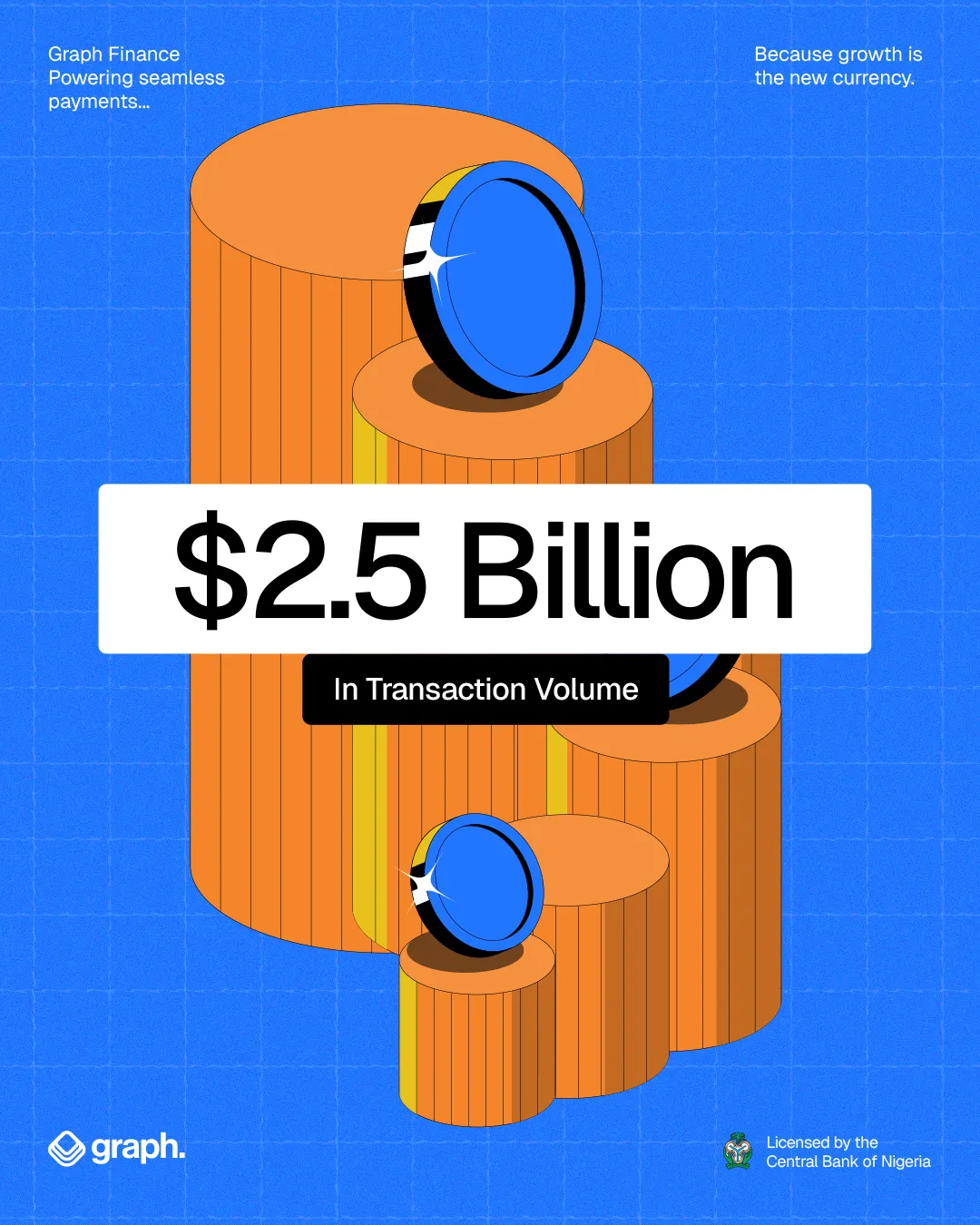
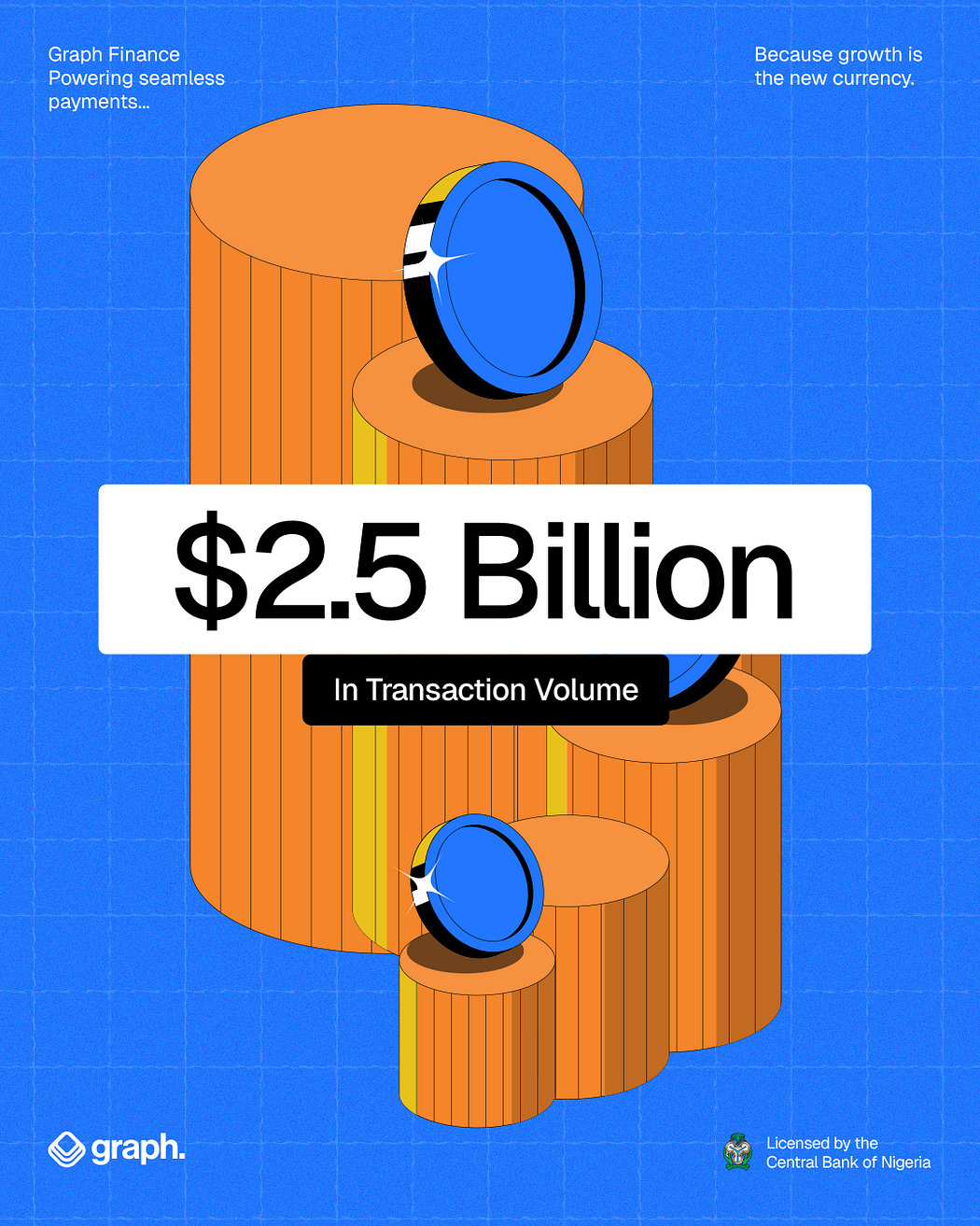
    Every so often, a moment arrives that invites you to pause and take a breath. For us at Graph Finance, crossing $2.5 billion in processed transaction volume is one of those moments. It is a number, but it carries the weight of many relationships, decisions, and leaps of faith from the businesses that rely on us every day.

    How We Began

    Graph Finance did not start with a wide reach or a big brand; we began as Oval, a small team of people who cared deeply about one idea. We believed that businesses in emerging markets deserved a simpler way to connect with the world through payments. We spent our early days building tools, asking questions, and learning from customers who were willing to take a chance on us.

    As time passed, our work grew beyond what we first imagined. The name Oval could no longer hold the scope of what we were building. We adopted a new name, Graph Finance, because it reflected something essential to us. It spoke of connection, movement, and the ways people and businesses link together across continents.

    A Quiet Turning Point

    At the start of 2024, we stepped out of private beta. Around the same time, we welcomed an African unicorn as one of our first major integrations.
    There was no big celebration. Instead, it felt like a quiet confirmation that the choices we had made were the right ones. Our infrastructure was holding up. Our systems were dependable. The work was beginning to matter on a larger scale.

    What the Number Means to Us

    The $2.5 billion milestone did not arrive suddenly. It grew slowly, shaped by the trust of businesses that chose Graph to support their most important financial operations.

    When we look at the number, we see moments behind it.

    • A new company finding its footing while paying a global team
    • A retail brand discovering new customers outside its home country
    • A fintech exploring cross border capabilities and choosing Graph to support them
    • A business in Lagos, Nairobi, or Kigali stepping into global markets with confidence

    These moments remind us that payments are not abstract. They reflect hope, ambition, and the belief that growth is possible.

    What Guides Us Forward

    The way we build at Graph has always been shaped by a few steady principles.
    Graph aim to keep our systems responsive so businesses can move quickly when they need to. We try to make our processes easy to understand so teams can plan with clarity. We design for dependability because financial operations rely on trust, not guesswork. These ideas guide our decisions every day.

    What Comes Next

    Crossing $2.5 billion is meaningful, but it is only one point on a longer path.
    We are working toward a world where businesses in emerging markets can operate globally without feeling the weight of unnecessary barriers. A future where a company in Lagos or Nairobi or Accra can grow beyond its borders as naturally as one in London or New York. This is the future we are building toward, one step at a time.

    A Thank You From All of Us

    To every business that has placed their trust in Graph, we want to say thank you. Our partners who have supported our mission, we are grateful, and to the team working behind the scenes to make our infrastructure stronger each day, your effort shows in every milestone we reach.

    This moment belongs to all of you. We look forward to everything that comes next.

  • Why We’re Building a Global Business Banking Solution at Graph

    Why We’re Building a Global Business Banking Solution at Graph

    Ever since we kicked off Graph, we’ve been reminiscing about the journey that led us here. We’ve been in the shoes of the customers we’re aiming to help now, and in this article, we are providing a candid look into why Graph is building a global business banking solution.

    The Global Landscape: Full of Challenges and Opportunities

    Ditch traditional banking delays, complex forms, and hidden fees. Instead, turn to Graph’s Global Payout System, which delivers fast, cost-effective payments across 90+ countries. With features like next-day settlement, you can instantly boost your cash flow while simultaneously strengthening your partner relationships.

    How Graph’s Global Business Banking Solution Empowers Businesses

    Graph’s global business banking platform is not just a service, it’s more or less a support system designed to help businesses rise above the limitations of traditional banking as they seek to operate and thrive on a global stage. To make this a reality, our solution offers businesses the following benefits:

    1. Streamlined Global Transactions

    Skip the headaches of traditional international banking, like complex forms, hidden fees, and long delays. Our Global Payout System lets businesses send funds across 90+ countries quickly and cost-effectively. With Graph, settlements take less than 24 hours (not days), accelerating your cash flow and strengthening partner relationships.

    2. Simplified Expense Management in Multiple Currencies

    Managing global expenses across multiple bank accounts is a logistical nightmare that completely kills transparency. Fortunately, Graph’s Multi-Currency Accounts solve this by design by consolidating your international funds into a single platform. This means you can easily track all your global finances in one place, thereby eliminating the headache of multi-bank reconciliation.

    3. Enhanced Security and Control with Corporate Cards

    Traditional expense management methods often rely on cash advances or personal credit cards, which can lead to security risks and difficulty tracking expenses. We’ve built a better alternative- Virtual and Physical Visa Corporate Cards. These cards empower businesses with both streamlined spending and robust security features, such as 3D Secure technology, that limit the risk of fraud.

    Plus, unlike traditional corporate cards that may have limitations on international use, our cards are globally accepted by Visa merchants. This allows your employees to make authorized purchases, including paying for ads, travel, etc., anywhere in the world, eliminating the need for cash advances or inconvenient currency exchanges.

    4. Effortless Market Expansion

    The global B2C e-commerce market is projected to hit $7.9 trillion by 2030. To help you capture this massive opportunity, Graph’s global banking solution allows businesses to bypass traditional banking hurdles and scale effortlessly. Specifically, with our multi-currency accounts, even businesses in emerging markets can seamlessly manage funds globally. As a result, you can unlock new customer bases and finally compete on a level playing field.

    Grow with Graph

    This is only the beginning. As we evolve, we will be expanding our support for additional countries and currencies. We’re also committed to maintaining an open dialogue with our customers, ensuring our global business banking solution keeps evolving to address current and emerging needs. By doing so, you can concentrate entirely on excelling at what you do best—scaling your business globally and serving your customers. After all, with Graph, your growth journey is, and will always remain, a partnership in progress.

    Are you ready to unlock your full potential in the global marketplace? If so, get started with Graph today to experience everything from streamlined global transactions to effortless expense management. Step up and join the future of global business banking.

    sign up with Graph today!

  • Corporate Spending Made Easy: Graph Corporate Cards

    Corporate Spending Made Easy: Graph Corporate Cards

    Streamline business expenses

    Managing business expenses is like balancing a scale. You need to empower your team to easily make purchases essential for day-to-day operations and seize opportunities that drive growth. Yet, maintaining control over company funds and ensuring responsible spending is crucial.

    This leaves you wondering: “How can I streamline spending without compromising on accountability?” Your answer has two words, “corporate cards”.

    What are Corporate Cards?

    Corporate cards are debit or credit cards specifically designed for businesses. They empower employees to easily cover authorized expenses without the hassle of using personal funds and waiting for reimbursement.

    For employers, corporate cards include features that enable oversight and accountability, such as spending limits and real-time expense tracking. In essence, they help you achieve that balance between convenient and controlled spending.

    With Graph Corporate Cards (debit), striking this balance is even simpler and easier.

    What are the Defining Features of Our Corporate Card Offering?

    1. Centralized Control and Real-time Insights

    To help you create that win-win situation of keeping your team agile and your company’s spending in check, we offer a simple solution. You can easily issue individual USD debit cards to each department, all connected to a single, user-friendly platform.

    This way, you delegate spending authority while maintaining complete control from one hub. This allows you to set spending limits, track transactions in real-time, and ensure all expenses align with your company’s financial goals.

    Having this central control hub also simplifies expense reporting, as you automatically have a single source of truth for real-time spending insights across all departments. Such insights can also help you identify spending trends, pinpoint areas for potential optimization, and make informed decisions about budget allocation across the entire company.

    2. Advanced Security

    Card fraud losses reached $32.34 billion in 2021. So we get it: unauthorized spending and security breaches are valid concerns when issuing corporate cards. The good news is that primary card issuers are beefing up security with more sophisticated technology, such as improved versions of 3D Secure (3DS), which fortifies our cards at Graph.

    Think of 3DS as an additional layer of verification that guards against fraudulent or suspicious activity, keeping your company’s finances safe.

    3. Digital Wallets Linkage

    About half of global online purchases in 2022 were made through mobile wallets, making them the most popular way to pay online. This trend is expected to keep growing, with mobile wallets accounting for over 54% of all online payments by 2026. Digital wallets are also expected to be responsible for 33.4% of all point-of-sale spending by 2024.

    This is why we’ve ensured that you can easily link Graph Cards to popular digital wallets such as Apple Pay and Google Pay for faster online and point-of-sale payments. This not only streamlines the process for everyone but also adds a layer of convenience that today’s tech-savvy workforce craves.

    4. Worldwide Card Acceptance

    Graph Cards grant your business global accessibility when it comes to payments. The reason is our physical and virtual cards are issued on the Visa network, which means acceptance is practically everywhere.

    Say your employees have to fly overseas for crucial meetings. By putting Graph Cards in their wallets, paying for flights, hotels, meals, and supplies becomes a cakewalk. Consequently, there are no more worries about currency exchanges or carrying loads of cash. Instead, it’s a simple swipe or tap, and they are good to go.

    5. Unlimited Cards

    To offer you even more flexibility and freedom, we’ve ensured that you can issue as many cards as required. Imagine having the freedom to create cards for each department, project, or even team member, all without worrying about limits.

    This not only streamlines expense management but also enhances transparency and accountability within your organization. Such granular control also empowers you to gain deeper insights into spending patterns and optimize your financial management strategies.

    What Can You Do with Graph Corporate Cards?

    • Subscription Services: Set up recurring payments for software subscriptions, memberships, and other regular services.
    • Marketing and Advertising Campaigns: Allocate funds for marketing initiatives, digital advertising, and other promotional activities.
    • Employee Travel and Accommodation: Enable employees to easily settle travel expenses, including flights, hotels, meals, and transportation.
    • Expense Tracking for Projects: Create dedicated cards for expenses related to specific projects, allowing for easy tracking and reporting.

    Streamline Corporate Spending with Graph Cards

    With our corporate cards, we are offering you a simple yet robust solution for managing business expenses. Specifically, you can shift from juggling multiple payment methods and tedious expense tracking to effortlessly empowering your team with secure cards. In turn, this setup streamlines spending, enhances accountability, and ultimately provides real-time insights into your company’s financial health.

    Embrace an easier way to manage corporate spending. 

    Get started on Graph today.