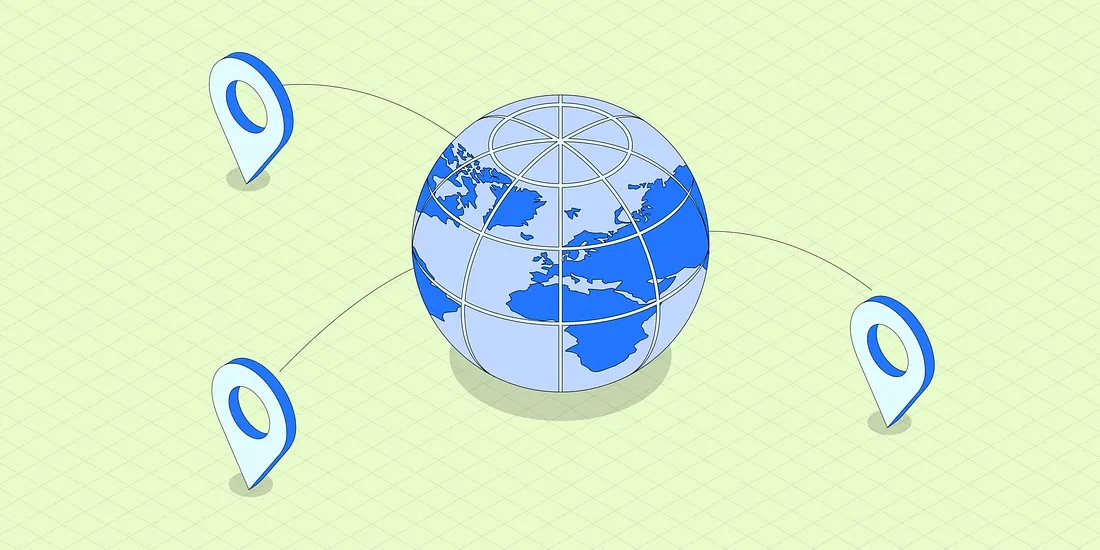
Cross-border payments infrastructure and global financial systems

In a world where communication is instant and commerce is increasingly global, moving money across borders should be seamless. It should be fast, transparent, and predictable.
But it isn’t. Cross-border payments remain one of the least evolved aspects of modern finance, quietly lagging behind the pace of innovation that defines nearly every other part of our digital lives.
The simplicity of Illusion
On the surface, sending money internationally feels straightforward. You initiate a transfer, enter the recipient’s details, and expect the funds to arrive.
What happens next, however, is far from simple.
Behind the scenes, that ‘single’ transaction moves through a chain of intermediary institutions, each responsible for routing, processing, or settlement. As a result, once currency conversions and compliance checks enter the flow, what appears to be direct quickly becomes a layered, multi-step process. The complexity may not always be visible But its effects are.
The Hidden Cost of Legacy Systems
Much of today’s cross-border payment infrastructure dates back decades, long before the demands of a digital, real-time global economy. As a result, these systems fail to deliver speed or transparency. Instead, they rely on a network of intermediaries that introduce friction at every stage of the transaction.
The result? Delays that stretch from hours into days, Fees that accumulate across multiple touchpoints, Limited visibility into where money is, and when it will arrive.
In many cases, users face uncertainty with little control over a process that should be predictable.
Out of Step with Today’s Financial Reality
The disconnect is clear. Businesses operate across continents in real time, and individuals collaborate globally without hesitation. As a result, expectations have shifted, speed and clarity are no longer optional; they are the baseline.
Yet cross-border payments continue to function as though those expectations don’t exist.
In 2026, moving money internationally shouldn’t feel slow or uncertain. Instead, it should be direct and predictable, without blind trust in opaque systems or tolerance for inefficiencies.
Ultimately, global finance must reflect today’s reality, not yesterday’s limitations.
Rethinking How Money Moves
Fixing this isn’t about incremental improvements, we need to fundamentally rethink how we design and deliver cross-border payments.
- This means reducing reliance on unnecessary intermediaries.
- Improving transparency at every stage of the transaction.
- Building systems that prioritize speed without compromising reliability.
At its core, it means simplifying the experience.
A More Direct Future
At Graph Finance, this is the gap we’re focused on closing.
By streamlining how money moves across borders, we’re removing the friction that has long defined international payments. The goal is not just to make transfers faster, but to make them clearer, more efficient, and more aligned with the needs of a connected global economy.
Because sending money across borders shouldn’t feel like navigating a maze.
It should feel direct. It should feel reliable. And above all, it should feel effortless.
The Standard Going Forward
The future of cross-border payments is not complicated.
It is straightforward, efficient, and transparent.
And it’s long overdue.
Get started with graph.finance today