Category: Product and Innovation Hub

Discover the latest product updates, features, and solutions driving seamless digital transactions at Graph. (Cross-border, App, cards, wallet)

  • APIs as Infrastructure: Powering Scale, Resilience, and Growth.

    APIs as Infrastructure: Powering Scale, Resilience, and Growth.

    API-driven financial infrastructure for global businesses

    In the modern financial era, the distance between a local business and a global market is no longer measured in meters; it is instead measured in milliseconds. At Graph, we believe the infrastructure of the future must rely on resilient, scalable, and high-performance APIs.

    For us, an API (Application Programming Interface) does more than connect systems. It powers how businesses scale to millions of users, move money instantly, and grow without limits.

    1. Building from Within: Our Internal Foundation

    Before building for others, we built for ourselves.

    We design Graph’s internal systems as independent services that communicate through the same high-quality APIs we offer externally. As a result, this modular approach allows each part of the system to operate efficiently without over-relying on others.

    This gives us three key advantages:

    Agility

    Consequently, our teams can introduce new features—such as multi-currency account support, without needing to rebuild the entire system.

    Consistency

    Every transaction follows the same reliable path, whether it comes from a business in Lagos or a business in London, whether in the Day or Night. This ensures accuracy and trust across the board.

    Resilience

    If one part of the system needs maintenance, the rest continues to function. This means we can improve continuously without disrupting critical operations.

    2. Enabling Businesses: APIs-driven tech as a Growth Engine
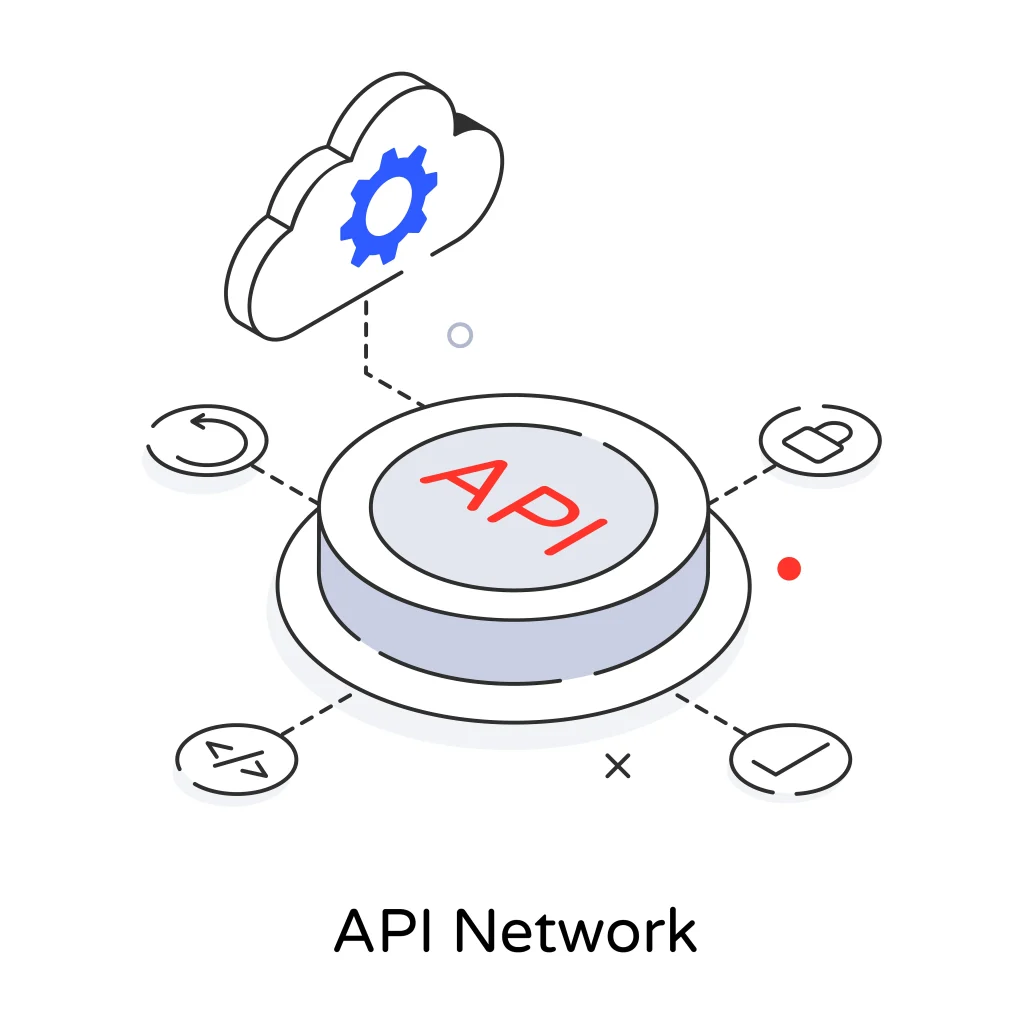
    APIs don’t just support growth, they drive it.

    When businesses integrate with Graph, they don’t just add a feature. They plug into a complete financial infrastructure.

    With Graph’s APIs, businesses can:

    Expand Globally, Faster
    Instead of spending years building financial infrastructure across multiple countries, businesses access global accounts and payment capabilities in days.

    Scale Without Limits
    Whether processing a handful of transactions or millions, our APIs maintain speed and performance. Growth should never introduce technical friction.

    3. A Higher Standard: Uptime You Can Rely On
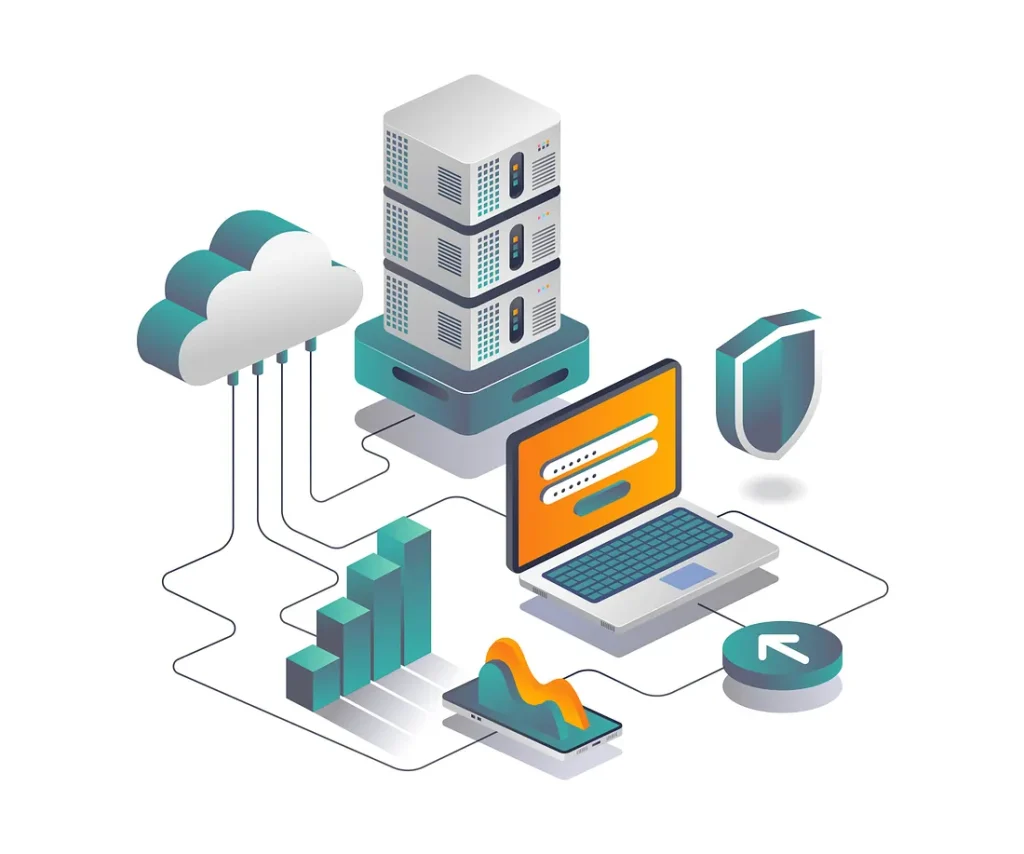
    In finance, “mostly working” means failure. When a critical supplier needs payment, 99.9% uptime isn’t just a metric—it’s a commitment.

    At Graph, we treat it that way.

    Resilient Infrastructure
    We run our systems across multiple regions. If one location fails, traffic shifts automatically, keeping services uninterrupted.

    Real-Time Monitoring
    We track system performance continuously and resolve issues before users ever notice them.

    Security at Every Layer
    We protect every API request with strong encryption and real-time fraud detection. As the system scales, security scales with it, without compromise.

    Building the Future of Finance

    At Graph, we are building a connected financial ecosystem where businesses can operate globally with ease. In the background, our APIs power transactions, enable growth, and maintain trust. Ultimately, by focusing on uptime, resilience, and scalability, we make complex financial systems feel simple, fast, and reliable.

    Because in the end, great infrastructure shouldn’t be noticed, it should just work.
  • One Platform. Global Businesses. No Compromise.

    One Platform. Global Businesses. No Compromise.

    Graph is building the financial operating system for businesses scaling beyond borders. All-in-one multi-currency wallet.

    Financial Operations Come With Too Many Moving Parts.

    Picture a fast-growing company, customers in London and Berlin, suppliers in the US and China, and a payroll team in Lagos. Someone is responsible for keeping the company’s money moving, and working. At some companies they’re the founder, at others the head of finance, or whoever runs operations. But ultimately they all face a similar problem.

    They’re reconciling bank accounts across multiple currencies, converting funds on one platform, paying contractors on another, sending supplier invoices, and approving, funding, and tracking team expense requests.

    And all of it is happening across different platforms that aren’t connected to each other. The stack grows. The overhead grows with it.

    Graph is here to change that. One platform where everything above gets handled.

    The Hidden Toll on Global Ambition

    Global commerce is accelerating at an incredible pace. To put that into perspective, cross-border trade is on track to surge from $1.47 trillion in 2025 to $4.81 trillion by 2032.

    Yet the underlying financial infrastructure hasn’t kept up, and as a result, the foundation businesses rely on to move, receive, and manage money across borders remains fragmented and slow. A patchwork of tools and workarounds costs most companies time, money, and missed opportunities, u`sually without anyone noticing.

    Graph was built to keep up with this pace. This isn’t a payment layer or a single solution patched onto whatever you’re already running. All within a single platform that connects every financial operation and makes every currency work smarter, so you can move with the speed and flexibility of a global business.

    One Platform, Multiple Connected Layers

    Graph’s platform has four interlocking layers. Here is exactly how each one works.

    The Account Layer

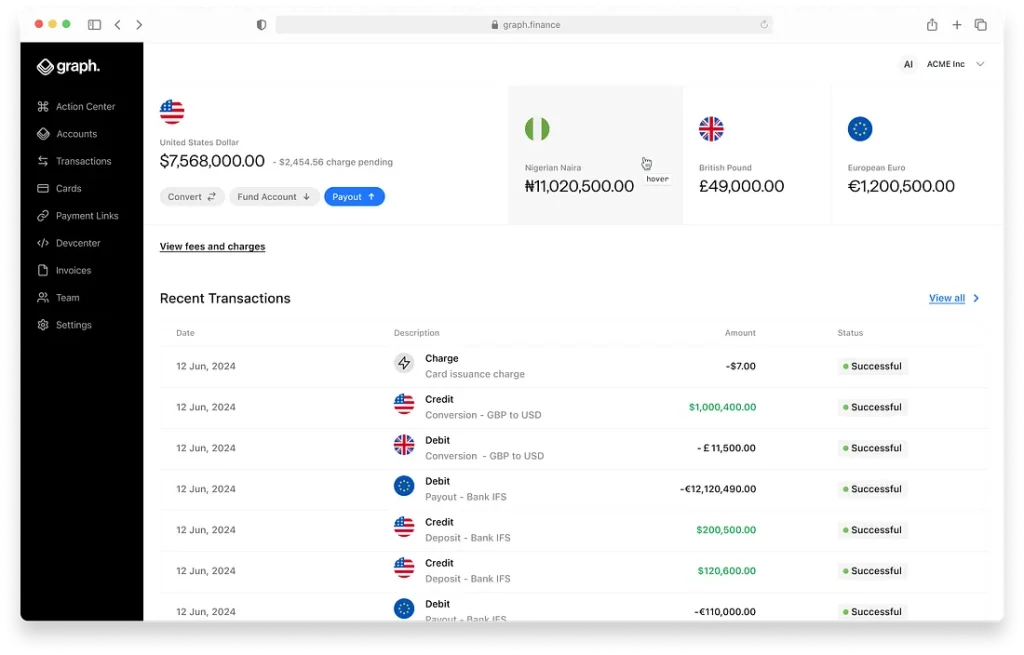
    At the core of the platform are real bank accounts in your business’s name, rather than the typical workarounds, third-party routing, or virtual account numbers that aren’t really yours. Specifically, Graph gives businesses actual USD, EUR, GBP, and NGN accounts. Consequently, this ensures a genuine financial presence in every market, without the overhead of incorporating in each one.”

    When you can hold, receive, and pay in the currencies your counterparties actually use, you eliminate conversion friction at every touchpoint. You price in their local terms, build trust with partners, and stop losing money and opportunities.

    The Operations Layer

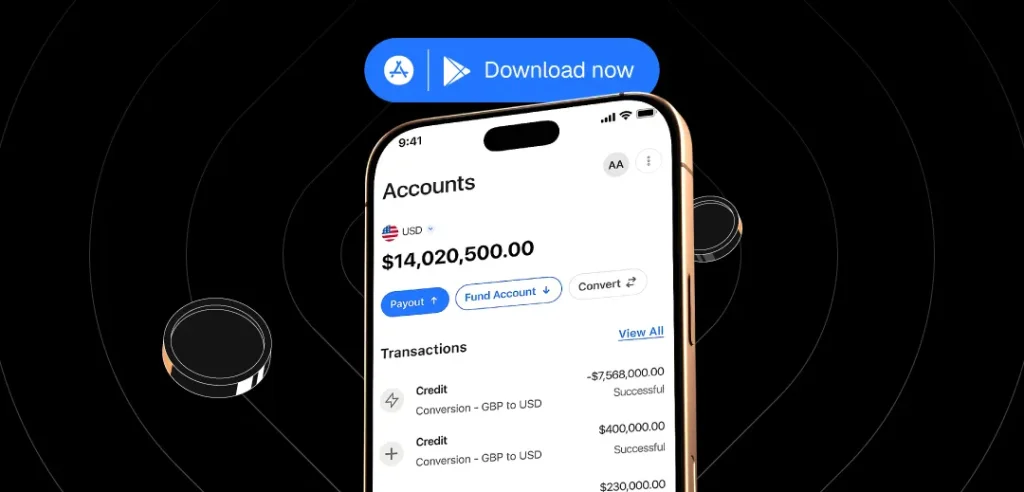
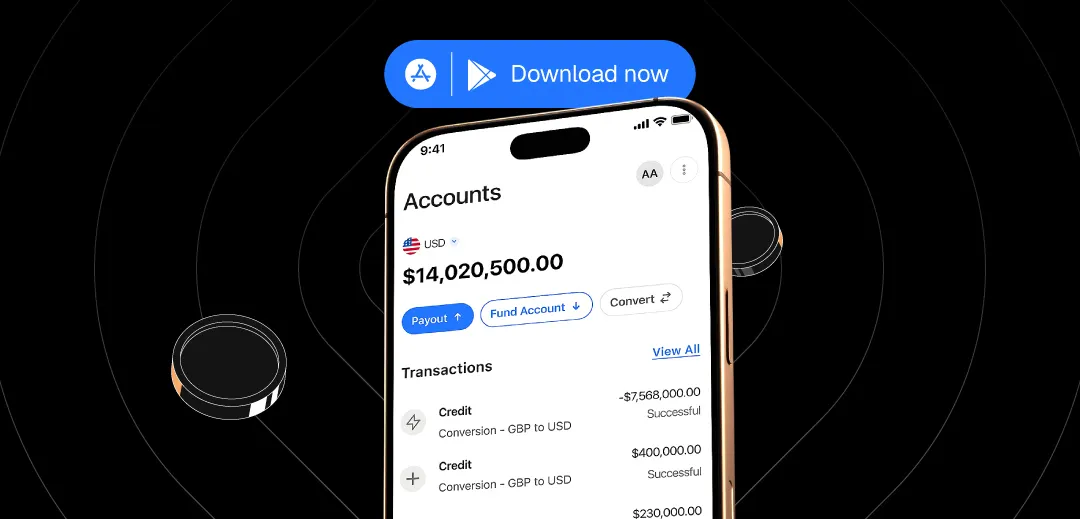
    Multi-currency wallets connect directly to your accounts, so your liquidity stays where your day-to-day operations happen. You can hold USD, EUR, GBP, and NGN balances in one place, giving you full visibility across all of them. Then, as funds flow into your accounts, they are instantly reflected in your wallets. Consequently, your money is always ready to be used, converted, or sent at a moment’s notice.

    Invoicing: Create and send invoices in any currency. With this setup, clients can pay using their preferred methods, while built-in tax compliance and a solid paper trail protect your revenue. Ultimately, this ensures your business gets paid smoothly for every service provided.

    Virtual USD Cards: Issue virtual USD cards for your team directly from the platform. Each card draws directly from your USD wallet, while you approve, fund, and track every transaction in real time without leaving the platform. The team gets what they need to spend. You keep full visibility and control over where it goes.

    This is the layer where the business actually operates, receiving funds, managing liquidity, making payments, and staying compliant throughout.

    The Movement Layer

    FX and Conversions: With Graph, you can convert between currencies directly within the platform at real rates. Imagine moving EUR from a client deposit into USD for a supplier payment, or into NGN for a payroll run, all right inside the platform. Consequently, you can bypass external FX brokers and separate tools, thereby eliminating the hidden spreads that typically eat into your margin on every conversion.”

    Payouts: Graph seamlessly converts and routes funds exactly where they need to go. Whether you’re paying USD suppliers in Shenzhen or covering NGN payroll in Lagos, you can do it all without ever switching platforms.

    Graph tracks, confirms, and reconciles every transaction in the same place.

    These two features are what keep the operations layer liquid. Money comes in through the accounts. It lives in the wallets, and then FX moves it across currencies as needed. Payouts move it out to where it needs to go. The whole flow, in, across, and out, happens without leaving the platform.

    The API Layer

    Businesses that run on Graph can also build on Graph. In addition, Graph’s API layer lets businesses embed the same capabilities directly into their own products. This means you can instantly offer accounts, wallets, payments, FX, and payouts to your customers, all without building anything from scratch.”

    The same infrastructure that solves their own operational problem becomes the product they take to their own market.

    What We’re Building Toward

    Today, the world is global. Commerce is global. In fact, teams, suppliers, customers, and ambitions all cross borders daily. Naturally, financial infrastructure should too.

    Because of this, the people from the opening of this article, the ones handling financial operations for their businesses, deserve better. Ultimately, their businesses deserve better. Every business operating across borders deserves a financial system that works with them, not against them.

    That is exactly what Graph is building: a world where, in turn, any business, anywhere, can operate financially as if it were local everywhere.

  • How Graph Helps Reduce FX Losses, Speed Up Treasury Ops, and Unlock New Markets

    How Graph Helps Reduce FX Losses, Speed Up Treasury Ops, and Unlock New Markets

    Fx losses

    In today’s fast-moving global economy, navigating cross-border finance isn’t just about sending or receiving money, it’s about doing so efficiently, affordably, and strategically. For businesses serious about global expansion, managing foreign exchange (FX) risk, streamlining treasury operations, and entering new markets with confidence is non-negotiable. That’s where Graph comes in.

    1. Reducing FX Losses Through Smarter Currency Management

    Foreign exchange volatility can be a silent profit killer. Traditional banking channels often offer unfavorable rates, hidden fees, and delays, all of which erode margins when converting funds between currencies.

    Graph’s multi-currency solutions help businesses:

    • Hold, convert, and transfer multiple currencies from a single wallet, eliminating the need for multiple bank accounts or costly intermediaries.
    • Execute FX conversions at competitive rates, meaning more of your capital stays where it belongs: in your business.
    • Mitigate unexpected swings in currency value by having real-time visibility and control over balances in USD, EUR, GBP, NGN, and more.

    These capabilities help businesses escape the traditional pitfalls of FX spread costs and timing losses, reducing unnecessary expenditure and protecting margins.

    2. Speeding Up Treasury Operations with Automation and Liquidity Control

    Treasury functions are often bogged down by manual processes, fragmented systems, and legacy banking dependencies. Streamlining these operations can unlock significant time and cost savings.

    With Graph, treasury teams can:

    • Automate core FX and payment workflows, reducing manual tasks that slow down treasury processing and increase error risk.
    • Improve liquidity management by tracking and transferring funds across currencies within a unified platform, ensuring money is where it needs to be, when it needs to be there.
    • Issue and manage virtual dollar cards for efficient global spend and procurement workflows, further accelerating operational cycles and transparency.
    • Manage treasury and FX operations holistically, giving finance teams visibility and control without the overhead of juggling multiple systems.

    The result? Faster cycle times, fewer reconciliation headaches, and treasury operations that function more like a strategic growth engine than a cost center.

    3. Unlocking New Markets Through Borderless Financial Infrastructure

    Perhaps the biggest strategic advantage of platforms like Graph is their ability to remove barriers to global expansion. Going global shouldn’t mean dealing with a tangle of local banks, multiple compliance regimes, and uncertain payment rails.

    Graph enables this by:

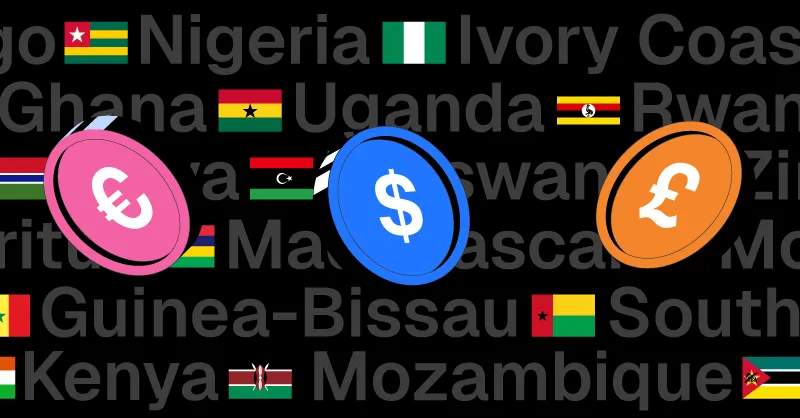
    • Global Reach: Supporting payments and conversions in 100+ countries, so businesses can send and receive funds virtually anywhere in the world.
    • Local Ease: Offering USD bank accounts and virtual cards instead, letting businesses transact internationally with the same ease as domestic payments.
    • API Integration: Providing GraphConnect APIs so that businesses can integrate these capabilities directly into their own product or service.

    As a result, Graph removes the traditional complexity of international payments. By introducing a unified, secure, and efficient system, we empower even startups and SMBs to compete on the global stage.

    4. Real-Life Impact: When Treasury Excellence Meets Growth Ambition

    “Recognition from global businesses across industries underscores the real operational value Graph delivers. Specifically, companies leveraging Graph’s solutions consistently report:

    • Reduced cross-border payment friction
    • More predictable FX outcomes
    • Faster settlement times
    • Improved cash flow visibility

    Crucially, these benefits don’t just streamline operations, they also unlock strategic opportunities. As a result, businesses can confidently explore new regions, onboard global customers, and thrive in markets that were once financially inaccessible.”

    Managing FX risk, treasury operations, and international expansions doesn’t need to be an uphill battle. In fact, as business finance becomes more global, forward-thinking companies require infrastructure that matches their ambitions. To meet this need, Graph Finance delivers a powerful platform that reduces FX losses, accelerates treasury workflows, and consequently empowers businesses to operate confidently across borders.

    Whether you’re expanding into new markets, seeking better control of your global cash flows, or simply tired of costly legacy systems, Graph’s unified financial platform offers a powerful alternative, one built for the future of international business.

  • How African Startups Can Go Global With Fewer Barriers

    How African Startups Can Go Global With Fewer Barriers

    For years, African startups have consistently proven one thing: talent and ambition aren’t the problem. The real challenge has always been infrastructure.

    From getting paid by international customers, to paying global vendors, to managing multiple currencies without bleeding money to fees and delays, scaling beyond borders has often felt harder than building the product itself.

    But that’s changing.

    A new generation of financial infrastructure is quietly removing the friction that once held African startups back. Here’s how founders can go global today, with fewer barriers and more control.

    The Real Barriers Holding African Startups Back

    Before talking about solutions, it’s important to be honest about the friction points most African founders face when expanding globally:

    1. Getting Paid Internationally Is Still Too Hard

    Many startups struggle to open reliable USD, EUR, or GBP accounts. Even when they do, collections are slow, settlements are unpredictable, and chargebacks are painful.

    2. FX Costs Eat Into Revenue

    Hidden spreads, poor exchange rates, and manual conversions quietly drain margins, especially for startups operating on tight runways.

    3. Fragmented Financial Tools

    Payments in one place. FX somewhere else. Reconciliation in spreadsheets. Compliance handled manually.
    This fragmentation doesn’t scale.

    4. Compliance Anxiety

    Cross-border payments come with KYC, AML, and regulatory obligations that many startups aren’t equipped to manage alone, especially across multiple markets.

    The result? Founders spend more time managing money than building products.

    What “Going Global” Actually Requires Today

    To scale internationally without friction, African startups need more than ambition. They need infrastructure that works across borders by default.

    That means:

    The Shift: From Bank Accounts to Financial Infrastructure

    Globally, startups no longer “piece together” banking relationships country by country.
    They plug into infrastructure platforms that abstract complexity and handle scale.

    This is where companies like Graph are changing the game for African startups.

    Get Graph Finance’s stories in your inbox

    Join Medium for free to get updates from this writer.Subscribe

    Instead of forcing founders to navigate broken international payment rails, Graph provides a unified layer for:

    • Multi-currency accounts (USD, EUR, GBP + African currencies)
    • Cross-border collections and payouts to 90+ countries
    • Real-time FX conversion with optimized rates
    • Automated treasury, reconciliation, and liquidity visibility
    • Enterprise-grade compliance baked directly into the system

    For startups, this means one integration, many markets.

    How African Startups Can Scale Globally – Step by Step

    1. Get Paid Like a Global Company

    Startups shouldn’t look “African” to global customers, financially speaking.

    Having access to stable, multi-currency accounts allows founders to invoice, collect, and store funds in global currencies without friction. Platforms like Graph make it possible to operate as if your company were incorporated anywhere in the world, while still building from Africa.

    2. Reduce FX Losses Before They Reduce Your Runway

    FX isn’t just a finance problem, it’s a growth problem.

    Without visibility into conversion timing, rates, and liquidity, startups lose money silently. Intelligent FX optimization and forecasting tools help founders decide when to convert, hold, or route funds, instead of guessing.

    Graph’s AI-driven treasury layer was built specifically to solve this — turning FX from a cost center into a strategic advantage.

    3. Pay Globally Without Operational Headaches

    From contractors to SaaS tools to international partners, startups are global by default.

    Fast, compliant, predictable payouts reduce friction with vendors and teams, and remove the stress of manual approvals, delayed settlements, or failed transfers.

    With access to broad payout corridors, startups can scale operations without worrying about where their partners are located.

    4. Stop Managing Finance Manually

    Manual reconciliation doesn’t scale.

    As transaction volume grows, spreadsheets break. Automation becomes essential, not optional.

    Modern infrastructure platforms provide real-time dashboards showing balances, transactions, FX positions, and treasury health in one place. That visibility allows founders to make faster, smarter decisions.

    5. Let Compliance Be Invisible

    The best compliance system is the one founders don’t have to think about.

    When compliance, KYC, and regulatory checks are embedded into infrastructure, instead of being handled manually, startups move faster with less risk.

    Graph’s approach is simple: build compliance into the rails, so founders can focus on growth, not regulation.

    Why This Moment Matters for African Startups

    Africa’s cross-border B2B economy already exceeds $1 trillion annually, yet much of it still runs on inefficient rails.

    As global trade, remote work, SaaS, and digital services continue to expand, startups that solve payments and treasury early gain a structural advantage.

    The winners won’t just be the best products. They’ll be the companies with the least financial friction.

    Going Global Isn’t About Geography Anymore

    Today, “going global” isn’t about opening offices everywhere.
    It’s about having infrastructure that works everywhere.

    African startups no longer need to wait, workaround, or overpay to scale internationally. With the right financial foundation, borders fade into the background, exactly where they belong.

    Platforms like Graph are proving that when payments, FX, treasury, and compliance work seamlessly, African businesses can compete and win on a global stage.

  • What Scalable Businesses Do Differently With Payments

    What Scalable Businesses Do Differently With Payments

    Scaling payment infrastructure

    Scalable businesses don’t treat payments as a back-office task. They treat payments as infrastructure.

    As companies grow, payments move quietly from “simple operations” to one of the most critical systems in the business. When done right, they enable speed, confidence, and expansion. When done poorly, they become friction, slowing teams down, increasing risk, and draining operational focus.

    At Graph Finance, we’ve seen one clear pattern: businesses that scale sustainably think about payments very differently from those that struggle under growth.

    Where Payments Break as You Scale

    Most businesses don’t plan for payment complexity. They react to it.

    In the early stages, manual processes feel manageable. A few transfers, some spreadsheets, maybe a WhatsApp confirmation here and there. But as transaction volume grows, markets expand, and currencies multiply, those same processes begin to crack.

    Common symptoms show up quickly:

    Money gets stuck and issues are only addressed when something goes wrong. Teams rely on emails, screenshots, and manual reconciliation to confirm transactions. Multiple banks, FX providers, and tools are managed in parallel with no single source of truth. Finance leaders lack real-time visibility into where money is and what’s coming next.

    For a while, this approach works. Until it doesn’t.

    And when it breaks, it breaks at the worst possible moment, during growth.

    What Scalable Businesses Do Instead

    High-growth businesses take a deliberate, structured approach to payments early. They don’t wait for complexity to force their hand.

    Instead of relying on people to move money, they rely on systems. Instead of reacting under pressure, they plan payments as part of their operating model.

    Get Graph Finance’s stories in your inbox

    Scalable businesses design their payment workflows to:

    • Move money through reliable, automated systems
    • Provide real-time visibility into cash positions
    • Reduce FX uncertainty with predictable, transparent processes
    • Support expansion into new markets without multiplying operational risk

    The shift isn’t just about efficiency. It’s about control.

    When payments are intentional, finance teams can focus on strategy instead of firefighting. Leadership can make decisions with confidence. Growth becomes something you manage, not something that manages you.

    Why This Matters More Than Ever

    Payments sit at the center of every business relationship. When they work smoothly, everything else moves faster.

    Operations scale without friction.
    Finance teams regain time, clarity, and confidence.
    Partners and customers trust you more.
    Growth feels structured, not stressful.

    The most successful businesses don’t just sell more products or enter new markets. They build financial systems that move money as efficiently as their product delivers value.

    Building Payment Infrastructure That Scales With You

    At Graph Finance, we’re building reliable payment infrastructure for businesses scaling across borders and currencies, without the operational drag that usually comes with growth.

    When payments start to feel manual, complex, or risky, it’s rarely a coincidence. It’s usually a signal that your business has outgrown its current setup.

    The question isn’t whether payments will become more complex as you grow.
    It’s whether your infrastructure is ready for it.

    If you’re thinking about your next stage of growth, let’s talk about how your payment systems will hold up.

    Because scaling isn’t just about growing bigger.
    It’s about moving money better as you grow.

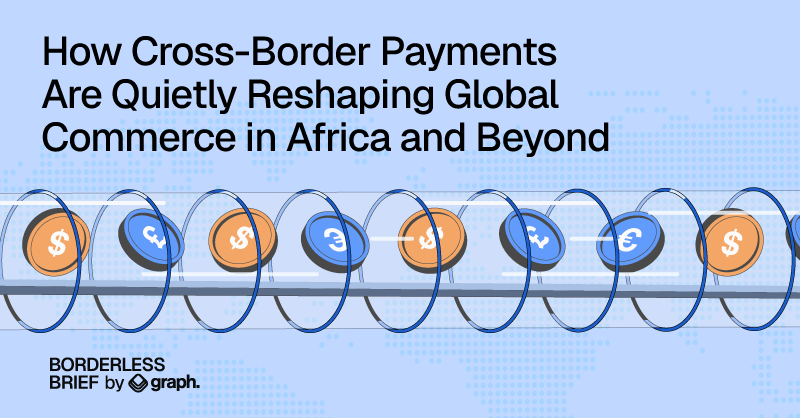
  • How Cross-Border Payments Are Quietly Reshaping Global Commerce in Africa and Beyond

    How Cross-Border Payments Are Quietly Reshaping Global Commerce in Africa and Beyond

    Borderless Payment Illustration

    Africa’s Cross-border payments

    Global commerce is undergoing a transformation that is especially important for businesses across Africa. For years, international trade meant navigating an opaque, inconsistent system. Of course, companies saw the massive potential in global customers and remote teams. Instead of seizing it, though, they were constantly held back by outdated processes that slowed them down and injected uncertainty.

    In the last few years, the foundation of Africa’s cross-border payments has been quietly improving. The changes are not dramatic at first glance, yet they are reshaping how businesses operate. Infrastructure enhancements, improved regulatory cooperation, and more transparent financial data have recently produced new confidence for African companies, founders, and operators looking to move beyond local markets. Crucially, these improvements are not simply technical upgrades. Rather, they are momentum-shifting developments that redefine what financial access in emerging markets fintech can look like.

    At the heart of this transformation is a shift toward stability in global financial plumbing. For instance, the most visible change is the increased predictability of cross-border payments. Not only are settlement timelines becoming clearer for major corridors, but FX conversion rules are also being standardized more frequently. Furthermore, because providers now publish detailed fee structures that reduce confusion, teams can model their finances without needing to build buffer time into every payment cycle. Ultimately, this matters for global commerce because it ensures Africa is participating more actively than ever before.

    A Nairobi-based startup sending payouts to Europe can anticipate when the funds will arrive. A logistics company in Lagos receiving revenue from customers throughout the Middle East no longer waits in uncertainty. These seemingly small adjustments accumulate into meaningful operational stability. What changes inside businesses? The improvements influence internal workflows long before a payment reaches its final destination.

    • Engineering teams now integrate systems that surface event-level updates for each transfer.
    • Finance teams map expected settlement timing into cash flow projections with greater accuracy.
    • Product teams design user experiences that show transparent fees, estimated arrival times, and real-time currency conversion details.

    This type of clarity used to be available only in highly optimised Western payment corridors. Its expansion into Africa’s global trade pipelines shows how financial infrastructure is levelling the field for Africa’s fintech ecosystem. The everyday impact on real companies. These shifts reveal themselves most clearly in daily business decisions.

    • A founder in Lagos begins paying a remote contributor in Eastern Europe without hesitation because the payout system demonstrates consistency over time.
    • A retailer in Nairobi discovers new customers in the Gulf region and processes orders confidently because settlement times no longer create operational bottlenecks.
    • A fintech team in Kigali extends its product into international payments trends because the infrastructure beneath it behaves in ways the team can predict.

    These choices feel simple when the system works. Not long ago, they required workarounds, delays, and considerable uncertainty.

    Visibility as a driver of trust

    Trust in financial infrastructure grows when information is easy to verify. Modern systems now provide detailed tracking for the full payment lifecycle. Transaction identifiers update at each point in the route. Conversion metrics and fees become visible and consistent. This transparency reduces administrative load. It simplifies reconciliation for finance teams and reduces support requests for operations teams. The clarity encourages businesses to expand outward because they can see exactly how their money moves across borders.

    Why this matters for the future of Africa’s global trade

    Africa is one of the fastest-growing digital regions in the world. Its businesses seek global customers, global talent, and global suppliers. For these realities to take hold, the underlying money movement system must be trustworthy. Cross-border payments are becoming mature enough to support this ambition. Africa’s participation in global commerce will deepen as infrastructure continues to improve. Every enhancement in reliability brings more African businesses into the global economy. The world is shifting toward a more interconnected financial landscape where emerging markets fintech will shape that future significantly as African companies build products, services, and experiences that require dependable international rails.

    Looking forward and Beyond

    Cross-border payments still face challenges. Different regulatory frameworks create friction. Some corridors experience liquidity constraints. Compliance rules vary and require constant adaptation. Yet despite these hurdles, the long-term direction is clear. The global money movement is becoming more inclusive, and African businesses operate with greater confidence. International payments trends increasingly point toward transparency and standardisation. In time, the global commerce Africa participates in will feel less complicated and more integrated into everyday business operations.

    For the companies building, scaling, and exploring across borders, this moment marks the beginning of something valuable. Global markets feel closer. Opportunity becomes more accessible. Growth no longer stops at a country’s border.

  • How to Choose a Corporate Card Provider for Your Business

    How to Choose a Corporate Card Provider for Your Business

    Imagine empowered employees making purchases with ease, clear expense tracking for your finance team, and valuable insights into your spending habits. Corporate cards offer this reality, but choosing the right program can be tricky, what features truly matter for your business?

    This short guide cuts through the confusion, outlining the key features to consider so you can select the perfect corporate card program and unlock a world of streamlined expenses and empowered teams.

    Key Features to Consider When Choosing a Corporate Card Provider

    Choosing a corporate card provider isn’t a one-size-fits-all situation. The ideal program will depend on your company’s size, spending habits, and desired level of control. Here are some key features to consider when making your selection:

    1. Card Options

    Not all corporate cards are created equal. Look for a provider that offers a variety of card options to cater to different needs. This might include physical cards for everyday purchases, virtual cards for online transactions, and single-use cards for specific vendors or travel.

    2. Spending Controls and Limits

    Empower your finance team with the ability to set spending limits and controls for each card. This could involve setting limits on specific categories (e.g., no more than $50 per meal), restricting purchases to certain vendors, or requiring pre-approval for larger transactions.

    3. Rewards and Rebates

    Let’s face it, everyone loves a good reward. To give you even more value, some corporate card providers offer rewards programs that can directly benefit your bottom line. This could include cash back on purchases, points redeemable for travel, or discounts with specific vendors.

    4. Expense Management Tools

    However, you should look beyond the plastic! Beyond just spending, a good corporate card program should be integrated with robust expense management tools. Specifically, this setup allows employees to easily submit receipts electronically, categorize expenses on the go, and ultimately generate reports for streamlined reconciliation.

    5. Real-Time Transaction Tracking

    In tandem with expense tools, you can gain peace of mind with real-time transaction tracking. By doing so, you can monitor spending activity as it happens, identify potential issues early on, and consequently ensure your employees are staying within their budgets.

    6. Security Features

    Of course, all of this tracking means nothing without protection, making security paramount. Therefore, it is wise to choose a provider that offers robust security features to protect your company’s financial data. This could include multi-factor authentication, fraud detection tools, and additionally, chip-and-PIN technology for added security.

    7. Customer Service

    Even with the tightest security, however, bugs can happen. Let’s face it, even the best programs encounter hiccups. Because of this, you should opt for a provider with a responsive customer service team to promptly address any questions your employees might have.

    8. Integration with Existing Systems

    Finally, don’t forget about software compatibility. A seamless integration with your existing accounting software or payroll system can ultimately save your finance team a ton of time and headaches.

    9. Fees and Rates

    Don’t get blindsided by hidden fees! Be sure to compare annual fees, foreign transaction fees, late payment fees, and interest rates before making your decision. While some providers offer cards with no annual fees, they might have higher interest rates or transaction fees.

    Graph Corporate Cards: The Only Corporate Card Solution You Need

    Graph Corporate Cards are meticulously designed to address the challenges businesses face when making and tracking payments for business expenses. Here’s how they empower your team and simplify your financial processes:

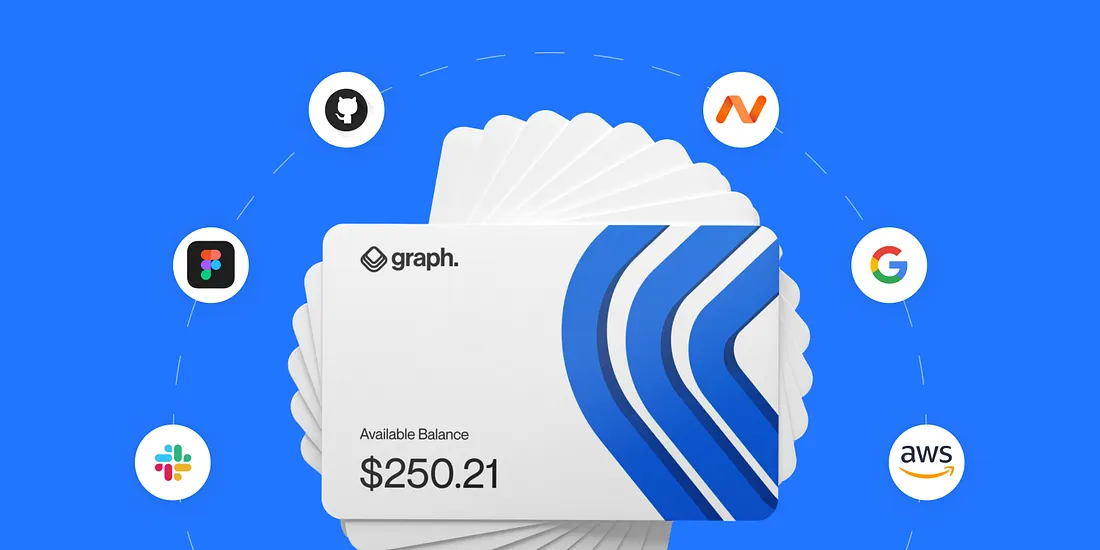
    • Unlimited Cards: Issue as many virtual cards as you need for streamlined spending, thereby eliminating the need for personal funds and tedious reimbursements.
    • Centralized Control: At the same time, you maintain complete oversight with a user-friendly dashboard. From here, you can track business payments in real time and instantly freeze, unfreeze, or decommission cards.
    • Effortless Tracking: Because of this centralized visibility, you can say goodbye to manual reconciliation. Instead, automatic reporting from a single source simplifies tracking business payments across all departments.
    • Advanced Security: Of course, flexibility requires protection, which is why we provide advanced security. Specifically, 3D Secure technology safeguards your company’s finances against unauthorized spending.
    • Digital Wallet Convenience: To make daily spending even easier, our cards offer digital wallet convenience. This allows your team to make secure, faster online and in-store payments through direct integration with Apple Pay and Google Pay.
    • Worldwide Acceptance: Finally, you can take these benefits anywhere. Enjoy worldwide acceptance with Visa-powered cards that are welcomed by millions of vendors globally.

    Choose Graph Corporate Cards for the best features. Sign up to get started!

  • How to Save Money On International Transactions

    How to Save Money On International Transactions

    The world of business is becoming increasingly globalized. Companies of all sizes are working with partners, vendors, and employees located all over the world. This opens exciting opportunities for growth, but it also introduces the challenge of making international payments. Sending money overseas can be a complex process and can come with hefty costs that eat away at your profits.

    Here’s the good news: there are smart ways to save money on international transfers. Read on to find tips on how to beat down the costs of international payments and keep more money for your business.

    Ways to Send Money Internationally

    1. Traditional Banks

    While familiar and convenient, banks often have high transaction fees and unfavorable exchange rates for international transfers. They may also charge additional fees for intermediary banks involved in the transfer process.

    2. Money Transfer Services

    These services specialize in international payments and can offer faster transfer times than banks. However, they can also have high fees and mark-up exchange rates, reducing the amount of money your recipient receives.

    3. Online Platforms

    Newer online platforms offer a more streamlined and potentially more cost-effective way to send money internationally. They often boast lower transaction fees and more competitive exchange rates compared to traditional banks and money transfer services. However, it’s crucial to choose a reputable platform with a strong track record for security.

    Cost of Sending Money Internationally

    No matter which method you choose, there are three main cost factors to be aware of:

    1. Transaction Fees

    This is a flat fee charged by the service provider for making the transfer. It’s important to compare these fees between different providers.

    2. Hidden Fees

    Beware of additional fees that may not be readily apparent upfront. These can include charges for currency conversion, intermediary banks, or international payment processing. Always read the fine print carefully!

    3. Exchange Rates

    The exchange rate determines how much foreign currency your recipient receives for your original amount. Not all providers offer the best exchange rate. Some may mark up the rate, giving you less value for your money. Furthermore, exchange rates constantly fluctuate, so being aware of current market rates can help you optimize your transfer timing.

    Tips for Saving on International Payments

    1. Negotiate Rates

    If your business makes frequent or large transfers, don’t just accept the exchange rate and fees your bank or money transfer service offers. Think of it like any other business expense — there’s room to negotiate.

    By showing them you’re a frequent customer transferring significant amounts, you might be surprised by what they’re willing to do to keep you happy.

    Here’s how to approach the conversation:

    • Gather your info: Find out how much you typically transfer and how often. The more business you bring them, the stronger your negotiating position.
    • Research the market: Use online tools or talk to other currency exchange services to get a sense of competitive rates. This arms you with knowledge of what a fair deal looks like.
    • Be polite but firm: Explain your business needs and that you’re looking for a more competitive rate on international transfers. Mention the research you’ve done, and be clear that you’re open to exploring other options if they can’t offer a better deal.

    Remember, the worst they can say is no. But with a little legwork and a confident approach, you could save your business a significant amount of money on those international transfers.

    2. Compare Providers

    It’s tempting to stick with your regular bank for everything, but international transfers can be an area where loyalty can cost you money. For one, traditional banks aren’t always the most competitive. Many banks add a markup to the exchange rate, meaning you get less foreign currency for whatever currency you’re exchanging. They may also have hidden fees that can add up quickly, especially for frequent transfers.

    Plus, there’s now a whole universe of online money transfer services out there, and many specialize in international transfers. The cherry on top is that they typically offer much more competitive exchange rates and lower fees than traditional banks.

    Here’s how to find the best deal:

    • Shop around: Don’t be afraid to compare rates and fees from different providers. Many services offer online quote tools that let you see exactly how much your transfer will cost upfront.
    • Look beyond headline rates: Focus on the total cost of the transfer, including any hidden fees. Some providers may advertise a low headline rate but then surprise you with additional charges.
    • Consider your business needs: Do you need super-fast transfers or the ability to send large amounts? Some providers specialize in specific speed or volume requirements.

    3. Use Local Currency Accounts

    Multi-currency or foreign bank accounts, offered by some banks and online money transfer services, allow you to hold balances in various foreign currencies. This removes the need to convert your entire holding to the recipient’s currency every time a transfer is needed.

    Some multicurrency accounts offer reduced transaction fees, especially for transfers between your held currencies. This can be particularly beneficial if you often make international transfers.

    Several services, like Graph, allow you to take advantage of multi-currency accounts. These services often partner with banks around the world, enabling you to open foreign bank accounts denominated in various currencies directly through their platform. This way, they allow you to hold and transfer funds in various currencies, giving you more control over exchange rates and transaction fees.

    4. Make Bulk Transfers

    Whenever possible, try to combine multiple small international payments into fewer, larger transfers. This strategy can significantly reduce the overall transaction fees you incur. Many money transfer services, including banks, charge a flat fee per transfer. By grouping payments, you spread this fixed fee across a larger sum, effectively lowering the fee per recipient.

    Many online money transfer services offer features specifically designed for bulk payouts. Graph, for instance, allows you to efficiently send payments to multiple recipients in a single transaction, potentially saving you money on fees.

    5. Monitor Exchange Rates

    Exchange rates constantly change, just like stock prices. By keeping an eye on these changes, you can save your business money on international transfers.

    Many free websites and apps offer live exchange rate tracking with alerts. Set these up for your chosen currency pair to get notified when the rate reaches a target you set. This way, you don’t have to constantly monitor the rate yourself.

    When the rate dips and the alert triggers, that’s your cue to make the transfer. Let’s say the euro is usually strong, but right now, it’s a bit weaker compared to the dollar. This is a good time to send your money because you’ll get more euros for your dollars, saving your business money.

    While monitoring exchange rates can be helpful, it’s not always a sustainable cost-saving strategy. Fluctuations can be unpredictable, and waiting for the perfect rate might delay business operations.

    Make Cheaper and Faster International Payments with Graph

    Saving money on international transfers can improve your bottom line and free up more funds to grow your business. You just have to look out for smart ways to do this without introducing inefficiencies into your operations.

    At Graph, we understand the importance of efficient and cost-effective international money transfers. That’s why we offer US dollar accounts, allowing you to receive and make international payments in USD, a widely accepted and stable currency, potentially saving you on conversion fees. We also offer competitive exchange rates and bulk payout options. 

    Get started on Graph today.

  • Why We’re Building a Global Business Banking Solution at Graph

    Why We’re Building a Global Business Banking Solution at Graph

    Ever since we kicked off Graph, we’ve been reminiscing about the journey that led us here. We’ve been in the shoes of the customers we’re aiming to help now, and in this article, we are providing a candid look into why Graph is building a global business banking solution.

    The Global Landscape: Full of Challenges and Opportunities

    Ditch traditional banking delays, complex forms, and hidden fees. Instead, turn to Graph’s Global Payout System, which delivers fast, cost-effective payments across 90+ countries. With features like next-day settlement, you can instantly boost your cash flow while simultaneously strengthening your partner relationships.

    How Graph’s Global Business Banking Solution Empowers Businesses

    Graph’s global business banking platform is not just a service, it’s more or less a support system designed to help businesses rise above the limitations of traditional banking as they seek to operate and thrive on a global stage. To make this a reality, our solution offers businesses the following benefits:

    1. Streamlined Global Transactions

    Skip the headaches of traditional international banking, like complex forms, hidden fees, and long delays. Our Global Payout System lets businesses send funds across 90+ countries quickly and cost-effectively. With Graph, settlements take less than 24 hours (not days), accelerating your cash flow and strengthening partner relationships.

    2. Simplified Expense Management in Multiple Currencies

    Managing global expenses across multiple bank accounts is a logistical nightmare that completely kills transparency. Fortunately, Graph’s Multi-Currency Accounts solve this by design by consolidating your international funds into a single platform. This means you can easily track all your global finances in one place, thereby eliminating the headache of multi-bank reconciliation.

    3. Enhanced Security and Control with Corporate Cards

    Traditional expense management methods often rely on cash advances or personal credit cards, which can lead to security risks and difficulty tracking expenses. We’ve built a better alternative- Virtual and Physical Visa Corporate Cards. These cards empower businesses with both streamlined spending and robust security features, such as 3D Secure technology, that limit the risk of fraud.

    Plus, unlike traditional corporate cards that may have limitations on international use, our cards are globally accepted by Visa merchants. This allows your employees to make authorized purchases, including paying for ads, travel, etc., anywhere in the world, eliminating the need for cash advances or inconvenient currency exchanges.

    4. Effortless Market Expansion

    The global B2C e-commerce market is projected to hit $7.9 trillion by 2030. To help you capture this massive opportunity, Graph’s global banking solution allows businesses to bypass traditional banking hurdles and scale effortlessly. Specifically, with our multi-currency accounts, even businesses in emerging markets can seamlessly manage funds globally. As a result, you can unlock new customer bases and finally compete on a level playing field.

    Grow with Graph

    This is only the beginning. As we evolve, we will be expanding our support for additional countries and currencies. We’re also committed to maintaining an open dialogue with our customers, ensuring our global business banking solution keeps evolving to address current and emerging needs. By doing so, you can concentrate entirely on excelling at what you do best—scaling your business globally and serving your customers. After all, with Graph, your growth journey is, and will always remain, a partnership in progress.

    Are you ready to unlock your full potential in the global marketplace? If so, get started with Graph today to experience everything from streamlined global transactions to effortless expense management. Step up and join the future of global business banking.

    sign up with Graph today!

  • Corporate Spending Made Easy: Graph Corporate Cards

    Corporate Spending Made Easy: Graph Corporate Cards

    Streamline business expenses

    Managing business expenses is like balancing a scale. You need to empower your team to easily make purchases essential for day-to-day operations and seize opportunities that drive growth. Yet, maintaining control over company funds and ensuring responsible spending is crucial.

    This leaves you wondering: “How can I streamline spending without compromising on accountability?” Your answer has two words, “corporate cards”.

    What are Corporate Cards?

    Corporate cards are debit or credit cards specifically designed for businesses. They empower employees to easily cover authorized expenses without the hassle of using personal funds and waiting for reimbursement.

    For employers, corporate cards include features that enable oversight and accountability, such as spending limits and real-time expense tracking. In essence, they help you achieve that balance between convenient and controlled spending.

    With Graph Corporate Cards (debit), striking this balance is even simpler and easier.

    What are the Defining Features of Our Corporate Card Offering?

    1. Centralized Control and Real-time Insights

    To help you create that win-win situation of keeping your team agile and your company’s spending in check, we offer a simple solution. You can easily issue individual USD debit cards to each department, all connected to a single, user-friendly platform.

    This way, you delegate spending authority while maintaining complete control from one hub. This allows you to set spending limits, track transactions in real-time, and ensure all expenses align with your company’s financial goals.

    Having this central control hub also simplifies expense reporting, as you automatically have a single source of truth for real-time spending insights across all departments. Such insights can also help you identify spending trends, pinpoint areas for potential optimization, and make informed decisions about budget allocation across the entire company.

    2. Advanced Security

    Card fraud losses reached $32.34 billion in 2021. So we get it: unauthorized spending and security breaches are valid concerns when issuing corporate cards. The good news is that primary card issuers are beefing up security with more sophisticated technology, such as improved versions of 3D Secure (3DS), which fortifies our cards at Graph.

    Think of 3DS as an additional layer of verification that guards against fraudulent or suspicious activity, keeping your company’s finances safe.

    3. Digital Wallets Linkage

    About half of global online purchases in 2022 were made through mobile wallets, making them the most popular way to pay online. This trend is expected to keep growing, with mobile wallets accounting for over 54% of all online payments by 2026. Digital wallets are also expected to be responsible for 33.4% of all point-of-sale spending by 2024.

    This is why we’ve ensured that you can easily link Graph Cards to popular digital wallets such as Apple Pay and Google Pay for faster online and point-of-sale payments. This not only streamlines the process for everyone but also adds a layer of convenience that today’s tech-savvy workforce craves.

    4. Worldwide Card Acceptance

    Graph Cards grant your business global accessibility when it comes to payments. The reason is our physical and virtual cards are issued on the Visa network, which means acceptance is practically everywhere.

    Say your employees have to fly overseas for crucial meetings. By putting Graph Cards in their wallets, paying for flights, hotels, meals, and supplies becomes a cakewalk. Consequently, there are no more worries about currency exchanges or carrying loads of cash. Instead, it’s a simple swipe or tap, and they are good to go.

    5. Unlimited Cards

    To offer you even more flexibility and freedom, we’ve ensured that you can issue as many cards as required. Imagine having the freedom to create cards for each department, project, or even team member, all without worrying about limits.

    This not only streamlines expense management but also enhances transparency and accountability within your organization. Such granular control also empowers you to gain deeper insights into spending patterns and optimize your financial management strategies.

    What Can You Do with Graph Corporate Cards?

    • Subscription Services: Set up recurring payments for software subscriptions, memberships, and other regular services.
    • Marketing and Advertising Campaigns: Allocate funds for marketing initiatives, digital advertising, and other promotional activities.
    • Employee Travel and Accommodation: Enable employees to easily settle travel expenses, including flights, hotels, meals, and transportation.
    • Expense Tracking for Projects: Create dedicated cards for expenses related to specific projects, allowing for easy tracking and reporting.

    Streamline Corporate Spending with Graph Cards

    With our corporate cards, we are offering you a simple yet robust solution for managing business expenses. Specifically, you can shift from juggling multiple payment methods and tedious expense tracking to effortlessly empowering your team with secure cards. In turn, this setup streamlines spending, enhances accountability, and ultimately provides real-time insights into your company’s financial health.

    Embrace an easier way to manage corporate spending. 

    Get started on Graph today.