For years, African startups have consistently proven one thing: talent and ambition aren’t the problem. The real challenge has always been infrastructure.
From getting paid by international customers, to paying global vendors, to managing multiple currencies without bleeding money to fees and delays, scaling beyond borders has often felt harder than building the product itself.
But that’s changing.
A new generation of financial infrastructure is quietly removing the friction that once held African startups back. Here’s how founders can go global today, with fewer barriers and more control.
The Real Barriers Holding African Startups Back
Before talking about solutions, it’s important to be honest about the friction points most African founders face when expanding globally:
1. Getting Paid Internationally Is Still Too Hard
Many startups struggle to open reliable USD, EUR, or GBP accounts. Even when they do, collections are slow, settlements are unpredictable, and chargebacks are painful.
2. FX Costs Eat Into Revenue
Hidden spreads, poor exchange rates, and manual conversions quietly drain margins, especially for startups operating on tight runways.
3. Fragmented Financial Tools
Payments in one place. FX somewhere else. Reconciliation in spreadsheets. Compliance handled manually.
This fragmentation doesn’t scale.
4. Compliance Anxiety
Cross-border payments come with KYC, AML, and regulatory obligations that many startups aren’t equipped to manage alone, especially across multiple markets.
The result? Founders spend more time managing money than building products.

What “Going Global” Actually Requires Today
To scale internationally without friction, African startups need more than ambition. They need infrastructure that works across borders by default.
That means:
- Multi-currency accounts that behave like local accounts
- Fast, predictable cross-border payouts
- Intelligent FX management
- Automated reconciliation and treasury visibility
- Built-in compliance, not bolted-on processes
In other words: finance that runs quietly in the background.

The Shift: From Bank Accounts to Financial Infrastructure
Globally, startups no longer “piece together” banking relationships country by country.
They plug into infrastructure platforms that abstract complexity and handle scale.
This is where companies like Graph are changing the game for African startups.
Get Graph Finance’s stories in your inbox
Join Medium for free to get updates from this writer.Subscribe
Instead of forcing founders to navigate broken international payment rails, Graph provides a unified layer for:
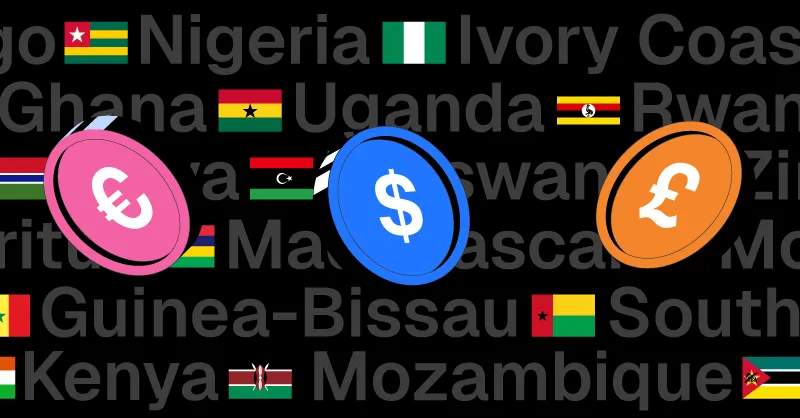
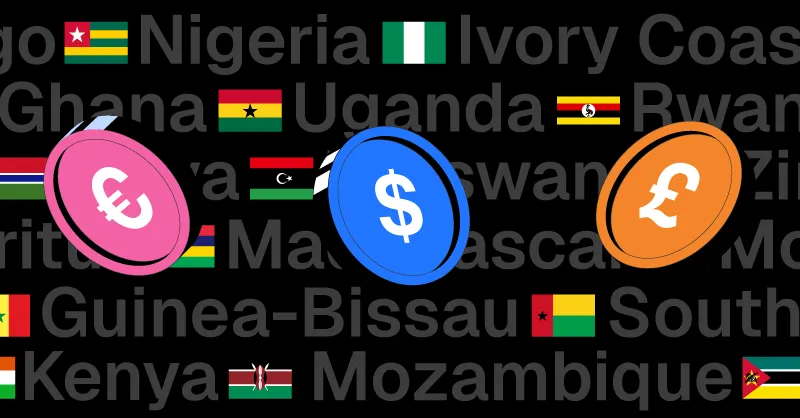
- Multi-currency accounts (USD, EUR, GBP + African currencies)
- Cross-border collections and payouts to 90+ countries
- Real-time FX conversion with optimized rates
- Automated treasury, reconciliation, and liquidity visibility
- Enterprise-grade compliance baked directly into the system
For startups, this means one integration, many markets.

How African Startups Can Scale Globally – Step by Step
1. Get Paid Like a Global Company
Startups shouldn’t look “African” to global customers, financially speaking.
Having access to stable, multi-currency accounts allows founders to invoice, collect, and store funds in global currencies without friction. Platforms like Graph make it possible to operate as if your company were incorporated anywhere in the world, while still building from Africa.
2. Reduce FX Losses Before They Reduce Your Runway
FX isn’t just a finance problem, it’s a growth problem.
Without visibility into conversion timing, rates, and liquidity, startups lose money silently. Intelligent FX optimization and forecasting tools help founders decide when to convert, hold, or route funds, instead of guessing.
Graph’s AI-driven treasury layer was built specifically to solve this — turning FX from a cost center into a strategic advantage.
3. Pay Globally Without Operational Headaches
From contractors to SaaS tools to international partners, startups are global by default.
Fast, compliant, predictable payouts reduce friction with vendors and teams, and remove the stress of manual approvals, delayed settlements, or failed transfers.
With access to broad payout corridors, startups can scale operations without worrying about where their partners are located.
4. Stop Managing Finance Manually
Manual reconciliation doesn’t scale.
As transaction volume grows, spreadsheets break. Automation becomes essential, not optional.
Modern infrastructure platforms provide real-time dashboards showing balances, transactions, FX positions, and treasury health in one place. That visibility allows founders to make faster, smarter decisions.
5. Let Compliance Be Invisible
The best compliance system is the one founders don’t have to think about.
When compliance, KYC, and regulatory checks are embedded into infrastructure, instead of being handled manually, startups move faster with less risk.
Graph’s approach is simple: build compliance into the rails, so founders can focus on growth, not regulation.
Why This Moment Matters for African Startups
Africa’s cross-border B2B economy already exceeds $1 trillion annually, yet much of it still runs on inefficient rails.
As global trade, remote work, SaaS, and digital services continue to expand, startups that solve payments and treasury early gain a structural advantage.
The winners won’t just be the best products. They’ll be the companies with the least financial friction.

Going Global Isn’t About Geography Anymore
Today, “going global” isn’t about opening offices everywhere.
It’s about having infrastructure that works everywhere.
African startups no longer need to wait, workaround, or overpay to scale internationally. With the right financial foundation, borders fade into the background, exactly where they belong.
Platforms like Graph are proving that when payments, FX, treasury, and compliance work seamlessly, African businesses can compete and win on a global stage.
Leave a Reply