Tag: FinTech

  • Finance Teams Are Sitting on Untapped Leverage

    Finance Teams Are Sitting on Untapped Leverage

    Modern finance operations and real-time financial infrastructure

    Here’s What Most Finance Teams Overlook

    Finance teams are responsible for keeping the business financially healthy, tracking performance, approving payments, and ensuring the numbers reconcile. But in many organizations, finance is still positioned as a reporting function rather than a strategic one.

    The real opportunity lies beyond the numbers.

    Too often, teams focus on what’s immediately visible: transactions, reports, and budgets. What gets missed are the structural inefficiencies and untapped insights that could make financial operations faster, more intelligent, and far more influential in business decisions.
    Cross-Border Payments Are More Strategic Than They Appear

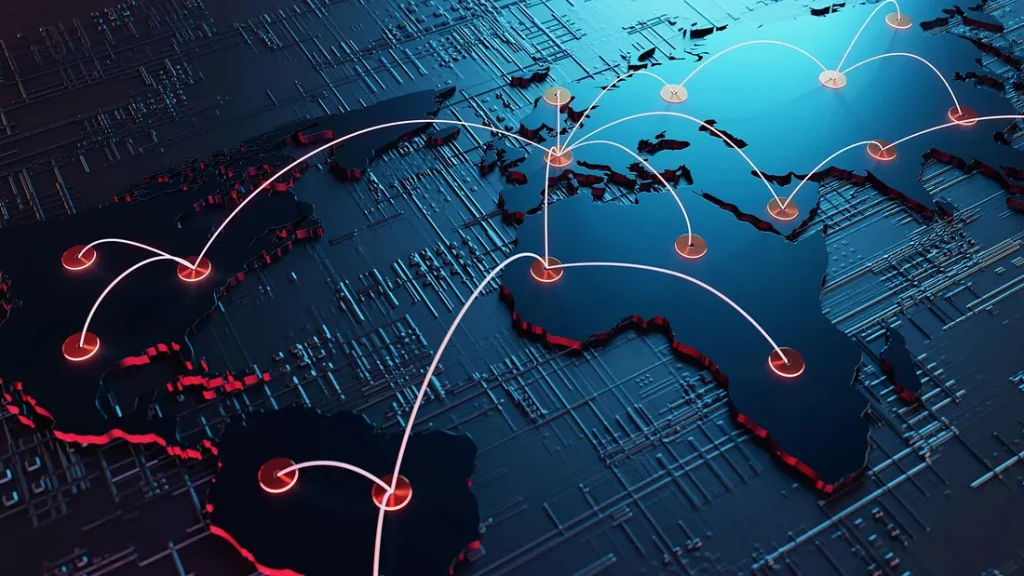
    In many companies, international payments are treated as a simple operational task: initiate the payment, confirm the rate, and wait for settlement.

    But behind the scenes, friction adds up.

    Delayed settlements, fragmented banking systems, inconsistent FX pricing, and unexpected intermediary fees quietly affect working capital, supplier relationships, and operational efficiency. What seems like a routine transaction can ultimately influence how quickly a business moves, how suppliers trust it, and how effectively capital is deployed.

    Finance leaders who recognize this shift begin to treat cross-border payments not as a back-office task, but as an operational lever.

    The Shift From Periodic Reporting to Real-Time Finance

    Traditional finance operates on cycles, weekly reports, monthly closes, quarterly analysis.

    The challenge is timing.

    By the time insights appear in a report, the moment to act has often passed. Modern financial infrastructure changes this dynamic. Real-time visibility into transactions, balances, and currency movements allows finance teams to anticipate issues, optimize liquidity, and guide operational decisions as they happen.

    Finance moves from reactive reporting to real-time strategic guidance.

    Automation Is Redefining Operational Efficiency

    Reconciliation remains one of the most time-consuming processes inside finance departments. Matching payments to invoices, verifying settlements, and aligning bank statements can absorb hours of manual work.

    Connected systems and APIs are quietly changing this.

    Automated reconciliation reduces operational friction, minimizes errors, and frees finance teams to focus on higher-value analysis. Instead of spending time validating past transactions, teams can concentrate on forecasting, optimization, and strategic planning.

    Finance Teams That Ask Better Questions Create More Value

    Numbers alone rarely tell the full story.

    The most effective finance teams ask deeper questions:

    • Where are payment delays affecting supplier relationships?
    • Which markets are generating the most efficient cash cycles?
    • Where are foreign exchange movements impacting margins?
    • Which financial processes are slowing down growth?

    Teams that approach finance this way evolve from record-keepers to business advisors.

    The New Role of Finance

    The tools now exist to give finance teams deeper visibility, automation, and operational control than ever before. Yet many organizations still operate with legacy processes that keep finance confined to the back office.

    The teams that adopt modern financial infrastructure gain something more valuable than efficiency.

    They gain clarity, speed, and influence in how the business grows.

    Finance should not just track performance. It should help shape it.

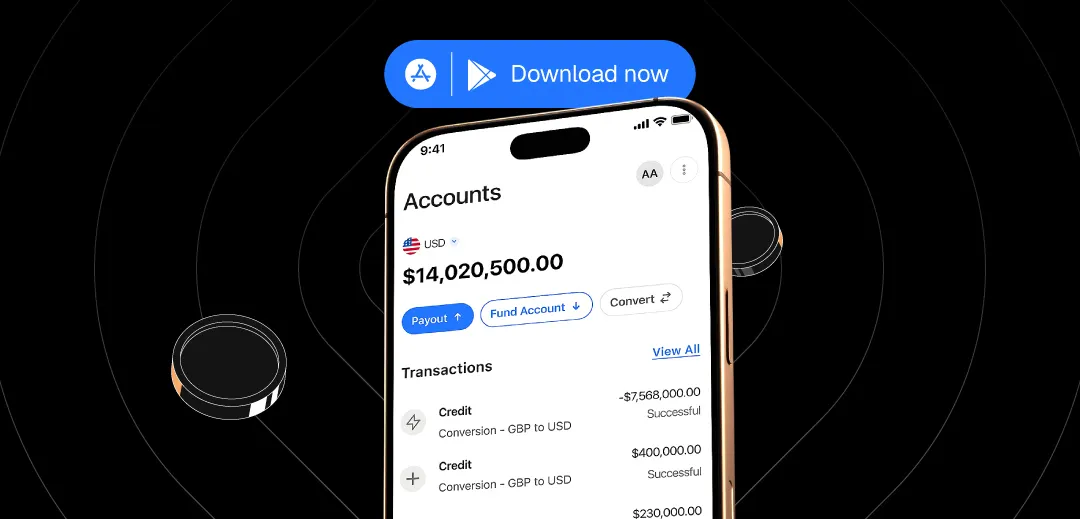
    Discover how modern payment infrastructure can empower your finance team. Learn more at 
    www.graph.finance

  • One Platform. Global Businesses. No Compromise.

    One Platform. Global Businesses. No Compromise.

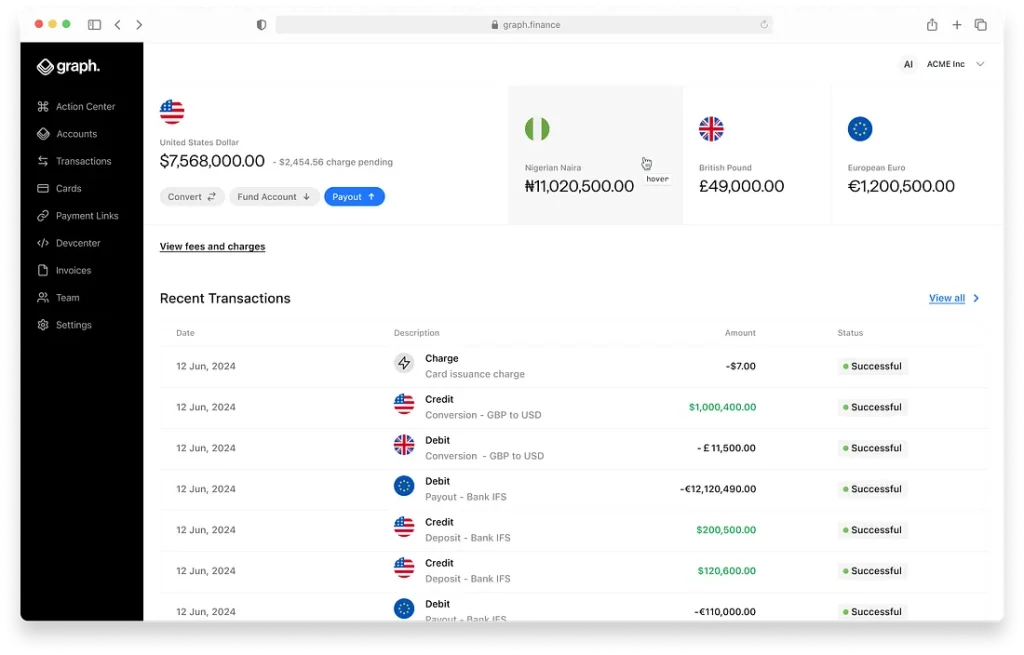
    Graph is building the financial operating system for businesses scaling beyond borders. All-in-one multi-currency wallet.

    Financial Operations Come With Too Many Moving Parts.

    Picture a fast-growing company, customers in London and Berlin, suppliers in the US and China, and a payroll team in Lagos. Someone is responsible for keeping the company’s money moving, and working. At some companies they’re the founder, at others the head of finance, or whoever runs operations. But ultimately they all face a similar problem.

    They’re reconciling bank accounts across multiple currencies, converting funds on one platform, paying contractors on another, sending supplier invoices, and approving, funding, and tracking team expense requests.

    And all of it is happening across different platforms that aren’t connected to each other. The stack grows. The overhead grows with it.

    Graph is here to change that. One platform where everything above gets handled.

    The Hidden Toll on Global Ambition

    Global commerce is accelerating at an incredible pace. To put that into perspective, cross-border trade is on track to surge from $1.47 trillion in 2025 to $4.81 trillion by 2032.

    Yet the underlying financial infrastructure hasn’t kept up, and as a result, the foundation businesses rely on to move, receive, and manage money across borders remains fragmented and slow. A patchwork of tools and workarounds costs most companies time, money, and missed opportunities, u`sually without anyone noticing.

    Graph was built to keep up with this pace. This isn’t a payment layer or a single solution patched onto whatever you’re already running. All within a single platform that connects every financial operation and makes every currency work smarter, so you can move with the speed and flexibility of a global business.

    One Platform, Multiple Connected Layers

    Graph’s platform has four interlocking layers. Here is exactly how each one works.

    The Account Layer

    At the core of the platform are real bank accounts in your business’s name, rather than the typical workarounds, third-party routing, or virtual account numbers that aren’t really yours. Specifically, Graph gives businesses actual USD, EUR, GBP, and NGN accounts. Consequently, this ensures a genuine financial presence in every market, without the overhead of incorporating in each one.”

    When you can hold, receive, and pay in the currencies your counterparties actually use, you eliminate conversion friction at every touchpoint. You price in their local terms, build trust with partners, and stop losing money and opportunities.

    The Operations Layer

    Multi-currency wallets connect directly to your accounts, so your liquidity stays where your day-to-day operations happen. You can hold USD, EUR, GBP, and NGN balances in one place, giving you full visibility across all of them. Then, as funds flow into your accounts, they are instantly reflected in your wallets. Consequently, your money is always ready to be used, converted, or sent at a moment’s notice.

    Invoicing: Create and send invoices in any currency. With this setup, clients can pay using their preferred methods, while built-in tax compliance and a solid paper trail protect your revenue. Ultimately, this ensures your business gets paid smoothly for every service provided.

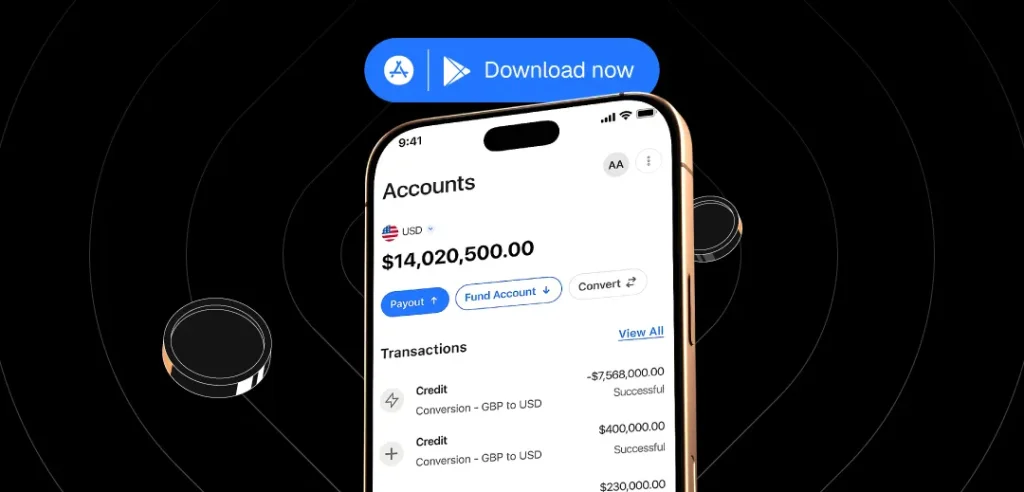
    Virtual USD Cards: Issue virtual USD cards for your team directly from the platform. Each card draws directly from your USD wallet, while you approve, fund, and track every transaction in real time without leaving the platform. The team gets what they need to spend. You keep full visibility and control over where it goes.

    This is the layer where the business actually operates, receiving funds, managing liquidity, making payments, and staying compliant throughout.

    The Movement Layer

    FX and Conversions: With Graph, you can convert between currencies directly within the platform at real rates. Imagine moving EUR from a client deposit into USD for a supplier payment, or into NGN for a payroll run, all right inside the platform. Consequently, you can bypass external FX brokers and separate tools, thereby eliminating the hidden spreads that typically eat into your margin on every conversion.”

    Payouts: Graph seamlessly converts and routes funds exactly where they need to go. Whether you’re paying USD suppliers in Shenzhen or covering NGN payroll in Lagos, you can do it all without ever switching platforms.

    Graph tracks, confirms, and reconciles every transaction in the same place.

    These two features are what keep the operations layer liquid. Money comes in through the accounts. It lives in the wallets, and then FX moves it across currencies as needed. Payouts move it out to where it needs to go. The whole flow, in, across, and out, happens without leaving the platform.

    The API Layer

    Businesses that run on Graph can also build on Graph. In addition, Graph’s API layer lets businesses embed the same capabilities directly into their own products. This means you can instantly offer accounts, wallets, payments, FX, and payouts to your customers, all without building anything from scratch.”

    The same infrastructure that solves their own operational problem becomes the product they take to their own market.

    What We’re Building Toward

    Today, the world is global. Commerce is global. In fact, teams, suppliers, customers, and ambitions all cross borders daily. Naturally, financial infrastructure should too.

    Because of this, the people from the opening of this article, the ones handling financial operations for their businesses, deserve better. Ultimately, their businesses deserve better. Every business operating across borders deserves a financial system that works with them, not against them.

    That is exactly what Graph is building: a world where, in turn, any business, anywhere, can operate financially as if it were local everywhere.

  • How Graph Helps Reduce FX Losses, Speed Up Treasury Ops, and Unlock New Markets

    How Graph Helps Reduce FX Losses, Speed Up Treasury Ops, and Unlock New Markets

    Fx losses

    In today’s fast-moving global economy, navigating cross-border finance isn’t just about sending or receiving money, it’s about doing so efficiently, affordably, and strategically. For businesses serious about global expansion, managing foreign exchange (FX) risk, streamlining treasury operations, and entering new markets with confidence is non-negotiable. That’s where Graph comes in.

    1. Reducing FX Losses Through Smarter Currency Management

    Foreign exchange volatility can be a silent profit killer. Traditional banking channels often offer unfavorable rates, hidden fees, and delays, all of which erode margins when converting funds between currencies.

    Graph’s multi-currency solutions help businesses:

    • Hold, convert, and transfer multiple currencies from a single wallet, eliminating the need for multiple bank accounts or costly intermediaries.
    • Execute FX conversions at competitive rates, meaning more of your capital stays where it belongs: in your business.
    • Mitigate unexpected swings in currency value by having real-time visibility and control over balances in USD, EUR, GBP, NGN, and more.

    These capabilities help businesses escape the traditional pitfalls of FX spread costs and timing losses, reducing unnecessary expenditure and protecting margins.

    2. Speeding Up Treasury Operations with Automation and Liquidity Control

    Treasury functions are often bogged down by manual processes, fragmented systems, and legacy banking dependencies. Streamlining these operations can unlock significant time and cost savings.

    With Graph, treasury teams can:

    • Automate core FX and payment workflows, reducing manual tasks that slow down treasury processing and increase error risk.
    • Improve liquidity management by tracking and transferring funds across currencies within a unified platform, ensuring money is where it needs to be, when it needs to be there.
    • Issue and manage virtual dollar cards for efficient global spend and procurement workflows, further accelerating operational cycles and transparency.
    • Manage treasury and FX operations holistically, giving finance teams visibility and control without the overhead of juggling multiple systems.

    The result? Faster cycle times, fewer reconciliation headaches, and treasury operations that function more like a strategic growth engine than a cost center.

    3. Unlocking New Markets Through Borderless Financial Infrastructure

    Perhaps the biggest strategic advantage of platforms like Graph is their ability to remove barriers to global expansion. Going global shouldn’t mean dealing with a tangle of local banks, multiple compliance regimes, and uncertain payment rails.

    Graph enables this by:

    • Global Reach: Supporting payments and conversions in 100+ countries, so businesses can send and receive funds virtually anywhere in the world.
    • Local Ease: Offering USD bank accounts and virtual cards instead, letting businesses transact internationally with the same ease as domestic payments.
    • API Integration: Providing GraphConnect APIs so that businesses can integrate these capabilities directly into their own product or service.

    As a result, Graph removes the traditional complexity of international payments. By introducing a unified, secure, and efficient system, we empower even startups and SMBs to compete on the global stage.

    4. Real-Life Impact: When Treasury Excellence Meets Growth Ambition

    “Recognition from global businesses across industries underscores the real operational value Graph delivers. Specifically, companies leveraging Graph’s solutions consistently report:

    • Reduced cross-border payment friction
    • More predictable FX outcomes
    • Faster settlement times
    • Improved cash flow visibility

    Crucially, these benefits don’t just streamline operations, they also unlock strategic opportunities. As a result, businesses can confidently explore new regions, onboard global customers, and thrive in markets that were once financially inaccessible.”

    Managing FX risk, treasury operations, and international expansions doesn’t need to be an uphill battle. In fact, as business finance becomes more global, forward-thinking companies require infrastructure that matches their ambitions. To meet this need, Graph Finance delivers a powerful platform that reduces FX losses, accelerates treasury workflows, and consequently empowers businesses to operate confidently across borders.

    Whether you’re expanding into new markets, seeking better control of your global cash flows, or simply tired of costly legacy systems, Graph’s unified financial platform offers a powerful alternative, one built for the future of international business.

  • Africa’s $1T Trade Opportunity and the Next Decade of Fintech

    Africa’s $1T Trade Opportunity and the Next Decade of Fintech

    Cross-border payments Africa – How Digital Finance Will Power the Continent’s Most Transformative Economic Leap

    Africa stands at a defining moment. For decades, global investors talked about potential: vast markets, youthful demographics, and rich resources. Today, that potential is morphing into measurable economic reality, and at the heart of this transformation lies a story often overlooked: the rising interplay between intra-African trade and fintech innovation.

    A Trillion-Dollar Threshold Already In Motion

    In 2024, Africa’s financial landscape hit a landmark milestone: more than one billion mobile money wallets were active across the continent, processing over $1 trillion in transactions in that year alone. This was not incremental growth, it marked Africa as the global leader in mobile money adoption, representing more than half of global wallets and active users.

    But that trillion isn’t the finish line, it’s the foundation.

    The Next Decade: $1T in Cross-Border Payments

    A comprehensive report by venture firm Oui Capital forecasts that Africa’s cross-border payments market (the backbone of intra-continental trade) will expand from roughly $329 billion today to $1 trillion by 2035.

    This projection represents more than just financial figures — it signals:

    • Rapid fintech innovation is replacing slow, costly legacy systems.
    • Digital rails that enable fast, low-cost cross-border value transfer.
    • A transition from cash-centric economies to digital ecosystems serving individuals, SMEs, and corporates.

    This $1T opportunity isn’t theoretical. It is forecast on current trajectories in mobile money, API-driven finance, blockchain, and digital IDs — all technologies reshaping how Africans trade with each other and the world. Increasingly, infrastructure-focused companies such as Graph Finance are building the backend rails — from multi-currency accounts to real-time settlement systems — that make this cross-border trade more seamless and efficient for businesses operating across African markets.

    Fintech: The Engine Behind African Trade Integration

    Across Africa’s major economies, fintech’s momentum is unmistakable:

    Fintech dominated startup funding in 2025, securing more than $1 billion of investment and outpacing most other sectors.

    Digital payments infrastructure is attracting global backing, Mastercard projects Africa’s digital payments economy could reach $1.5 trillion by 2030.

    Fintech is about unlocking trade capacity for underserved African SMEs. Beyond consumer payments, infrastructure providers like Graph Finance enable businesses to manage cross-border capital with speed, compliance, and transparency, critical capabilities for scaling trade in a fragmented landscape.

    Trade Realities: It Will Take More Than Open Markets

    Under the African Continental Free Trade Area (AfCFTA), Africa is building the largest single market in the world. But trade leaders now agree that agreements alone won’t unlock real economic integration — without reliable cross-border payment systems to match. According to a senior official from the Bank of Ghana, true market integration hinges on secure and affordable value transfer infrastructure.

    Put simply: Trade policies create the highways, but fintech builds the vehicles and fuel.

    What Does This Mean for Businesses, Governments, and Investors?

    1. Digital Payments Are Trade Infrastructure

    Fintech platforms, from mobile money operators to emerging APIs and digital wallet, are steadily formalizing what was once informal trade. These platforms are not just serving consumers; they’re powering the rails on which goods and services cross borders. Infrastructure companies like Graph Finance, which combine payments, FX optimization, treasury automation, and embedded compliance, represent the type of integrated systems required to support trade at scale.
    2. Trust, Regulation, and Interoperability Matter

    Growth projections assume that barriers like high remittance fees, fragmented regulation, and foreign-exchange inefficiencies can be addressed. Banks, regulators, and fintechs must collaborate on frameworks that enable interoperability and compliance without stifling innovation. Embedding compliance directly into financial infrastructure — rather than treating it as an afterthought — will be central to this evolution.

    3. Strategic Investment in Fintech and Infrastructure

    Africa’s next growth wave relies on scale solutions connecting marketplaces and cross-border commerce. While global partners like Mastercard fund MSME digital enablement, infrastructure providers like Graph Finance are building the intelligent treasury and payment networks required for a highly connected, liquid African trade ecosystem.

    4. SMEs and Financial Inclusion Are Central to Growth

    Small and medium enterprises are the engines of job creation and innovation. Expanding digital financial access — especially for businesses that have historically lacked banking services — will unlock trade capacity that matches the scale of Africa’s markets. Tools that reduce FX losses, accelerate settlement times, and simplify multi-market operations can materially improve SME competitiveness in global trade.

    Closing the Gap: From Potential to Prosperity

    Africa’s trillion-dollar trade opportunity is not a distant dream — it is already emerging in real transactional data, forecast models, and investment trends. Fintech isn’t simply an enabler of convenience; it is the infrastructure layer that will transform Africa’s economic landscape over the next decade. The rise of infrastructure-focused companies such as Graph Finance signals a broader shift in the market, from standalone payment solutions to intelligent, integrated financial architecture built for cross-border trade.

    The next chapter depends on leaders in government, business, and tech, who invest in inclusive, interoperable, and future-ready financial ecosystems. When that happens, Africa will not just be a market of potential; it will be a market of power, shaping global trade and fintech innovation for years to come.

  • How African Startups Can Go Global With Fewer Barriers

    How African Startups Can Go Global With Fewer Barriers

    For years, African startups have consistently proven one thing: talent and ambition aren’t the problem. The real challenge has always been infrastructure.

    From getting paid by international customers, to paying global vendors, to managing multiple currencies without bleeding money to fees and delays, scaling beyond borders has often felt harder than building the product itself.

    But that’s changing.

    A new generation of financial infrastructure is quietly removing the friction that once held African startups back. Here’s how founders can go global today, with fewer barriers and more control.

    The Real Barriers Holding African Startups Back

    Before talking about solutions, it’s important to be honest about the friction points most African founders face when expanding globally:

    1. Getting Paid Internationally Is Still Too Hard

    Many startups struggle to open reliable USD, EUR, or GBP accounts. Even when they do, collections are slow, settlements are unpredictable, and chargebacks are painful.

    2. FX Costs Eat Into Revenue

    Hidden spreads, poor exchange rates, and manual conversions quietly drain margins, especially for startups operating on tight runways.

    3. Fragmented Financial Tools

    Payments in one place. FX somewhere else. Reconciliation in spreadsheets. Compliance handled manually.
    This fragmentation doesn’t scale.

    4. Compliance Anxiety

    Cross-border payments come with KYC, AML, and regulatory obligations that many startups aren’t equipped to manage alone, especially across multiple markets.

    The result? Founders spend more time managing money than building products.

    What “Going Global” Actually Requires Today

    To scale internationally without friction, African startups need more than ambition. They need infrastructure that works across borders by default.

    That means:

    The Shift: From Bank Accounts to Financial Infrastructure

    Globally, startups no longer “piece together” banking relationships country by country.
    They plug into infrastructure platforms that abstract complexity and handle scale.

    This is where companies like Graph are changing the game for African startups.

    Get Graph Finance’s stories in your inbox

    Join Medium for free to get updates from this writer.Subscribe

    Instead of forcing founders to navigate broken international payment rails, Graph provides a unified layer for:

    • Multi-currency accounts (USD, EUR, GBP + African currencies)
    • Cross-border collections and payouts to 90+ countries
    • Real-time FX conversion with optimized rates
    • Automated treasury, reconciliation, and liquidity visibility
    • Enterprise-grade compliance baked directly into the system

    For startups, this means one integration, many markets.

    How African Startups Can Scale Globally – Step by Step

    1. Get Paid Like a Global Company

    Startups shouldn’t look “African” to global customers, financially speaking.

    Having access to stable, multi-currency accounts allows founders to invoice, collect, and store funds in global currencies without friction. Platforms like Graph make it possible to operate as if your company were incorporated anywhere in the world, while still building from Africa.

    2. Reduce FX Losses Before They Reduce Your Runway

    FX isn’t just a finance problem, it’s a growth problem.

    Without visibility into conversion timing, rates, and liquidity, startups lose money silently. Intelligent FX optimization and forecasting tools help founders decide when to convert, hold, or route funds, instead of guessing.

    Graph’s AI-driven treasury layer was built specifically to solve this — turning FX from a cost center into a strategic advantage.

    3. Pay Globally Without Operational Headaches

    From contractors to SaaS tools to international partners, startups are global by default.

    Fast, compliant, predictable payouts reduce friction with vendors and teams, and remove the stress of manual approvals, delayed settlements, or failed transfers.

    With access to broad payout corridors, startups can scale operations without worrying about where their partners are located.

    4. Stop Managing Finance Manually

    Manual reconciliation doesn’t scale.

    As transaction volume grows, spreadsheets break. Automation becomes essential, not optional.

    Modern infrastructure platforms provide real-time dashboards showing balances, transactions, FX positions, and treasury health in one place. That visibility allows founders to make faster, smarter decisions.

    5. Let Compliance Be Invisible

    The best compliance system is the one founders don’t have to think about.

    When compliance, KYC, and regulatory checks are embedded into infrastructure, instead of being handled manually, startups move faster with less risk.

    Graph’s approach is simple: build compliance into the rails, so founders can focus on growth, not regulation.

    Why This Moment Matters for African Startups

    Africa’s cross-border B2B economy already exceeds $1 trillion annually, yet much of it still runs on inefficient rails.

    As global trade, remote work, SaaS, and digital services continue to expand, startups that solve payments and treasury early gain a structural advantage.

    The winners won’t just be the best products. They’ll be the companies with the least financial friction.

    Going Global Isn’t About Geography Anymore

    Today, “going global” isn’t about opening offices everywhere.
    It’s about having infrastructure that works everywhere.

    African startups no longer need to wait, workaround, or overpay to scale internationally. With the right financial foundation, borders fade into the background, exactly where they belong.

    Platforms like Graph are proving that when payments, FX, treasury, and compliance work seamlessly, African businesses can compete and win on a global stage.

  • What Scalable Businesses Do Differently With Payments

    What Scalable Businesses Do Differently With Payments

    Scaling payment infrastructure

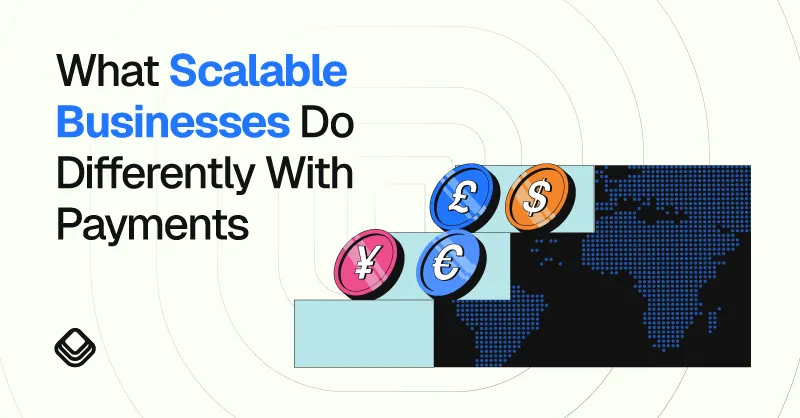
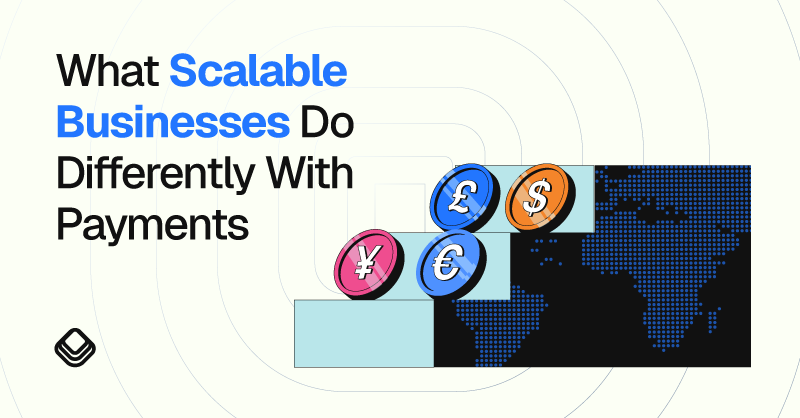
    Scalable businesses don’t treat payments as a back-office task. They treat payments as infrastructure.

    As companies grow, payments move quietly from “simple operations” to one of the most critical systems in the business. When done right, they enable speed, confidence, and expansion. When done poorly, they become friction, slowing teams down, increasing risk, and draining operational focus.

    At Graph Finance, we’ve seen one clear pattern: businesses that scale sustainably think about payments very differently from those that struggle under growth.

    Where Payments Break as You Scale

    Most businesses don’t plan for payment complexity. They react to it.

    In the early stages, manual processes feel manageable. A few transfers, some spreadsheets, maybe a WhatsApp confirmation here and there. But as transaction volume grows, markets expand, and currencies multiply, those same processes begin to crack.

    Common symptoms show up quickly:

    Money gets stuck and issues are only addressed when something goes wrong. Teams rely on emails, screenshots, and manual reconciliation to confirm transactions. Multiple banks, FX providers, and tools are managed in parallel with no single source of truth. Finance leaders lack real-time visibility into where money is and what’s coming next.

    For a while, this approach works. Until it doesn’t.

    And when it breaks, it breaks at the worst possible moment, during growth.

    What Scalable Businesses Do Instead

    High-growth businesses take a deliberate, structured approach to payments early. They don’t wait for complexity to force their hand.

    Instead of relying on people to move money, they rely on systems. Instead of reacting under pressure, they plan payments as part of their operating model.

    Get Graph Finance’s stories in your inbox

    Scalable businesses design their payment workflows to:

    • Move money through reliable, automated systems
    • Provide real-time visibility into cash positions
    • Reduce FX uncertainty with predictable, transparent processes
    • Support expansion into new markets without multiplying operational risk

    The shift isn’t just about efficiency. It’s about control.

    When payments are intentional, finance teams can focus on strategy instead of firefighting. Leadership can make decisions with confidence. Growth becomes something you manage, not something that manages you.

    Why This Matters More Than Ever

    Payments sit at the center of every business relationship. When they work smoothly, everything else moves faster.

    Operations scale without friction.
    Finance teams regain time, clarity, and confidence.
    Partners and customers trust you more.
    Growth feels structured, not stressful.

    The most successful businesses don’t just sell more products or enter new markets. They build financial systems that move money as efficiently as their product delivers value.

    Building Payment Infrastructure That Scales With You

    At Graph Finance, we’re building reliable payment infrastructure for businesses scaling across borders and currencies, without the operational drag that usually comes with growth.

    When payments start to feel manual, complex, or risky, it’s rarely a coincidence. It’s usually a signal that your business has outgrown its current setup.

    The question isn’t whether payments will become more complex as you grow.
    It’s whether your infrastructure is ready for it.

    If you’re thinking about your next stage of growth, let’s talk about how your payment systems will hold up.

    Because scaling isn’t just about growing bigger.
    It’s about moving money better as you grow.

  • How Cross-Border Payments Are Quietly Reshaping Global Commerce in Africa and Beyond

    How Cross-Border Payments Are Quietly Reshaping Global Commerce in Africa and Beyond

    Borderless Payment Illustration

    Africa’s Cross-border payments

    Global commerce is undergoing a transformation that is especially important for businesses across Africa. For years, international trade meant navigating an opaque, inconsistent system. Of course, companies saw the massive potential in global customers and remote teams. Instead of seizing it, though, they were constantly held back by outdated processes that slowed them down and injected uncertainty.

    In the last few years, the foundation of Africa’s cross-border payments has been quietly improving. The changes are not dramatic at first glance, yet they are reshaping how businesses operate. Infrastructure enhancements, improved regulatory cooperation, and more transparent financial data have recently produced new confidence for African companies, founders, and operators looking to move beyond local markets. Crucially, these improvements are not simply technical upgrades. Rather, they are momentum-shifting developments that redefine what financial access in emerging markets fintech can look like.

    At the heart of this transformation is a shift toward stability in global financial plumbing. For instance, the most visible change is the increased predictability of cross-border payments. Not only are settlement timelines becoming clearer for major corridors, but FX conversion rules are also being standardized more frequently. Furthermore, because providers now publish detailed fee structures that reduce confusion, teams can model their finances without needing to build buffer time into every payment cycle. Ultimately, this matters for global commerce because it ensures Africa is participating more actively than ever before.

    A Nairobi-based startup sending payouts to Europe can anticipate when the funds will arrive. A logistics company in Lagos receiving revenue from customers throughout the Middle East no longer waits in uncertainty. These seemingly small adjustments accumulate into meaningful operational stability. What changes inside businesses? The improvements influence internal workflows long before a payment reaches its final destination.

    • Engineering teams now integrate systems that surface event-level updates for each transfer.
    • Finance teams map expected settlement timing into cash flow projections with greater accuracy.
    • Product teams design user experiences that show transparent fees, estimated arrival times, and real-time currency conversion details.

    This type of clarity used to be available only in highly optimised Western payment corridors. Its expansion into Africa’s global trade pipelines shows how financial infrastructure is levelling the field for Africa’s fintech ecosystem. The everyday impact on real companies. These shifts reveal themselves most clearly in daily business decisions.

    • A founder in Lagos begins paying a remote contributor in Eastern Europe without hesitation because the payout system demonstrates consistency over time.
    • A retailer in Nairobi discovers new customers in the Gulf region and processes orders confidently because settlement times no longer create operational bottlenecks.
    • A fintech team in Kigali extends its product into international payments trends because the infrastructure beneath it behaves in ways the team can predict.

    These choices feel simple when the system works. Not long ago, they required workarounds, delays, and considerable uncertainty.

    Visibility as a driver of trust

    Trust in financial infrastructure grows when information is easy to verify. Modern systems now provide detailed tracking for the full payment lifecycle. Transaction identifiers update at each point in the route. Conversion metrics and fees become visible and consistent. This transparency reduces administrative load. It simplifies reconciliation for finance teams and reduces support requests for operations teams. The clarity encourages businesses to expand outward because they can see exactly how their money moves across borders.

    Why this matters for the future of Africa’s global trade

    Africa is one of the fastest-growing digital regions in the world. Its businesses seek global customers, global talent, and global suppliers. For these realities to take hold, the underlying money movement system must be trustworthy. Cross-border payments are becoming mature enough to support this ambition. Africa’s participation in global commerce will deepen as infrastructure continues to improve. Every enhancement in reliability brings more African businesses into the global economy. The world is shifting toward a more interconnected financial landscape where emerging markets fintech will shape that future significantly as African companies build products, services, and experiences that require dependable international rails.

    Looking forward and Beyond

    Cross-border payments still face challenges. Different regulatory frameworks create friction. Some corridors experience liquidity constraints. Compliance rules vary and require constant adaptation. Yet despite these hurdles, the long-term direction is clear. The global money movement is becoming more inclusive, and African businesses operate with greater confidence. International payments trends increasingly point toward transparency and standardisation. In time, the global commerce Africa participates in will feel less complicated and more integrated into everyday business operations.

    For the companies building, scaling, and exploring across borders, this moment marks the beginning of something valuable. Global markets feel closer. Opportunity becomes more accessible. Growth no longer stops at a country’s border.

  • How Seamless International Payments Can Drive Business Growth

    How Seamless International Payments Can Drive Business Growth

    Efficient international payments

    Successful businesses are like well-oiled machines. Every part needs to be running smoothly to reach top speed. That’s why smart companies are constantly looking for ways to optimize different areas, from marketing to inventory. One crucial area that can make or break your growth is your international payments operation.

    Imagine the frustration and lost opportunities caused by slow, expensive, or cumbersome international payment processes. Delayed payments to suppliers can disrupt production schedules. Hiring the perfect overseas candidate might get bogged down in paperwork. Collaborations with international partners become a struggle due to payment friction.

    These are just a few examples of how inefficient international payments can act as a roadblock to your business’s full potential. On the other hand, adopting an option for easy, quick, and cost-effective cross-border payments can propel your company forward. Let’s see how.

    1. Respond to Global Opportunities

    A. Easily Source Materials Globally

    Efficient international payments open the door to a worldwide marketplace for your supplies. You can negotiate directly with vendors from anywhere in the world, find the best materials at competitive prices, and strengthen your supply chain.

    This translates to increased cost savings and potentially higher-quality materials, giving your business a significant edge in the market.

    B. Expand Your Talent Pool

    Thanks to remote work, the days of being limited by borders when searching for the perfect candidate are long gone. Effortless international payments allow you to hire the best person for the job, regardless of location, because you can easily pay them without worrying about complex currency exchanges and delayed transfers.

    By tapping into the global talent pool, you can bring together the best minds from all corners of the world. Combine that with the diverse perspectives and experiences of such a workforce and you have the perfect recipe for innovation, which can drive growth.

    2. Boost Efficiency and Cost Savings

    A. Avoid Payment Delays

    Traditional international payments can take days or even weeks to settle. This can create strained relationships with suppliers and cash flow problems that disrupt your business rhythm.

    Solutions like Graph, on the other hand, get your money where it needs to be quickly. This helps you maintain a great relationship with partners and suppliers while also allowing you to easily and quickly receive funds you need to grow your business.

    B. Reduce Administrative Burden

    Managing complex currency exchanges, navigating different banking systems, and tracking a multitude of invoices can bog you down. This administrative burden not only eats away at your resources but also slows down your operations.

    However, modern business banking solutions can help streamline these processes. This way, international transactions happen with a few clicks, currency conversions are handled automatically, and you get visibility into your global finances all in one place. This not only frees up your staff to focus on more strategic tasks that drive growth but also reduces the risk of errors and delays.

    C. Transparent Fees and Competitive Exchange Rates

    Hidden fees and unfavorable exchange rates can eat significantly into your profits with traditional international payments. Graph offers transparent and competitive exchange rates, ensuring you get the most value for your money. These savings can be reinvested in areas that directly drive your business growth.

    3. Enhance Business Agility

    A. Respond to Global Opportunities

    Being able to seize opportunities in emerging markets requires agility. Effortless international payments empower you to act quickly and decisively. No more waiting weeks for approvals or wrestling with complex currency conversions.

    With seamless payment solutions like Graph, you can strike a deal with a promising partner while the iron is hot, for instance. This agility lets you be the first mover, gaining a significant advantage in a highly competitive business world.

    B. Improve Cash Flow Visibility

    International payments shouldn’t leave you waiting weeks to see your hard-earned money. Efficient payment systems speed up transaction times, which means faster access to your funds. This improved cash flow allows you to reinvest in your business, explore new opportunities, and drive growth.

    Grow with Graph

    Staying ahead in today’s business world takes hard work and smart choices. For companies that operate internationally, one crucial area to focus on is payments. That’s where Graph steps in.

  • 5 Tips for Managing Your Business Cash Flow to Ensure Smooth Operations

    5 Tips for Managing Your Business Cash Flow to Ensure Smooth Operations

    Cash flow is the lifeblood of any business. It’s the constant movement of money into (income) and out of (expenses) the business. While profit is important, a healthy cash flow ensures you have enough money on hand to cover your day-to-day operations, invest in growth, and weather unexpected bumps.

    Let’s take a quick look at some tips for managing your cash flow effectively.

    The Goal is to Maintain a Positive Cash Flow

    Positive cash flow means more money is flowing into your business than out. This ideal scenario allows you to comfortably cover expenses, invest in future opportunities, and build a financial safety net.

    On the other hand, negative cash flow occurs when expenses exceed income. This can lead to a strain on resources, difficulty paying bills, and limited growth potential.

    The ultimate goal of cash management is to ensure a positive cash flow. This way, your business avoids unnecessary financial strain and has enough resources to grow.

    5 Tips for Managing Your Business Cash Flow

    1. Know Your Numbers: Forecast and Track

    Imagine running a retail store without any sales forecasts. You wouldn’t know how much inventory to order, leading to potential stockouts or an overabundance of unsold products that tie up valuable capital. A cash flow forecast functions similarly, but for your finances.

    A forecast, even a simple one, is your crystal ball. It helps you predict future income and expenses, allowing you to make informed decisions.

    Here’s how to create your cash flow forecast:

    • Gather Data: List all your income sources (sales, subscriptions, investments) and expenses (rent, salaries, inventory) for a specific period (month, quarter, year). Be as detailed as possible.
    • Project Forward: Based on historical data, industry trends, and upcoming sales plans, estimate future income and expenses for the chosen period.
    • Track and Adapt: Don’t treat your forecast as set in stone. Monitor actual income and expenses regularly. Update your forecast as needed to reflect reality and stay ahead of potential cash flow shortfalls.

    2. Streamline Invoicing for Faster Payments

    Constant delays in receiving payments from clients can disrupt your cash flow. One way to ensure a smooth flow of incoming funds is by creating a more efficient invoicing system. Here are some key strategies to streamline your invoicing process and encourage faster payments from clients:

    • Be Prompt: Don’t let invoices languish on your desk or in a folder on your PC. Send them electronically as soon as a project is completed or goods are delivered.
    • Offer Incentives: Consider early payment discounts (like 2% off if paid within 15 days) to encourage faster payments from clients. This can improve your cash flow significantly.
    • Provide Multiple Payment Options: Make it easy for customers to pay you. Offer multiple payment methods, like credit cards, bank transfers, or online payment gateways.

    Remember, a friendly yet firm follow-up email for overdue invoices goes a long way. You could even implement an automated reminder system to nudge forgetful clients.

    3. Manage Expenses Strategically

    Think of your cash flow as a bathtub. Income (sales, investments) is like the faucet filling the tub, while expenses (rent, salaries, inventory) are the drain. You want to make sure your drain isn’t a gaping hole that’s enabling wastage, so you can maintain a positive cash flow.

    Here are a few tips for managing your expenses:

    • Review Regularly: Schedule regular reviews (monthly or quarterly) of your expenses. Analyze each cost and identify areas for potential savings.
    • Renegotiate and Shop Around: Don’t be afraid to renegotiate contracts with suppliers for better rates on things like rent, utilities, or office supplies. Consider getting quotes from alternative vendors to see if you can secure a more competitive price.
    • Prioritize Payments: Not all expenses are created equal. Prioritize critical payments like payroll and rent to avoid penalties or disruptions. Strategically delay non-critical payments (within reasonable credit terms) to free up cash flow in the short term.

    4. Embrace Technology: Automate and Streamline

    Technology offers a treasure trove of tools to streamline your business operations and improve efficiency. When it comes to cash flow management, embracing the right technology can help you free up time, avoid errors, and gain valuable insights to keep your cash flow healthy.

    Here are a few ways tech tools can help your cash management process:

    • Accounting Software: Invest in accounting software that automates tasks like data entry, categorizes transactions, and generates reports. This saves time, reduces errors, and gives you a clear picture of your cash flow.
    • Integration is Key: Look for software that integrates with your bank accounts. This allows for automatic download of transactions, eliminating manual data entry and ensuring accuracy.
    • Reporting and Insights: Use the reporting features of your accounting software. Generate reports to analyze trends, identify areas for improvement, and make data-driven financial decisions.

    5. Ensure Smooth Foreign Currency Flow

    Doing business internationally opens exciting growth opportunities, but it also introduces a new element to manage: foreign currency. When you conduct international business, you need a way to receive payments in various currencies and access those funds promptly. Delays can disrupt your cash flow and hinder your ability to settle business expenses on time.

    This is where a global business banking solution like Graph comes in. We provide international bank accounts denominated in major currencies like the U.S. dollar (USD), British pound (GBP), and euro (EUR). What’s more, these accounts offer rapid settlement times, allowing you to receive and access your foreign currency earnings quickly and efficiently.

    Cash Flow is King

    A healthy cash flow is the foundation for a resilient and adaptable business. The good news is that with a little planning and proactive management, you can keep your cash flow healthy and your business thriving.

    As you tick the necessary boxes required to maintain a healthy cash flow, don’t forget to prioritize a reliable international banking system for faster access to your funds.

    Sign up on Graph to get started.

  • How to Save Money On International Transactions

    How to Save Money On International Transactions

    The world of business is becoming increasingly globalized. Companies of all sizes are working with partners, vendors, and employees located all over the world. This opens exciting opportunities for growth, but it also introduces the challenge of making international payments. Sending money overseas can be a complex process and can come with hefty costs that eat away at your profits.

    Here’s the good news: there are smart ways to save money on international transfers. Read on to find tips on how to beat down the costs of international payments and keep more money for your business.

    Ways to Send Money Internationally

    1. Traditional Banks

    While familiar and convenient, banks often have high transaction fees and unfavorable exchange rates for international transfers. They may also charge additional fees for intermediary banks involved in the transfer process.

    2. Money Transfer Services

    These services specialize in international payments and can offer faster transfer times than banks. However, they can also have high fees and mark-up exchange rates, reducing the amount of money your recipient receives.

    3. Online Platforms

    Newer online platforms offer a more streamlined and potentially more cost-effective way to send money internationally. They often boast lower transaction fees and more competitive exchange rates compared to traditional banks and money transfer services. However, it’s crucial to choose a reputable platform with a strong track record for security.

    Cost of Sending Money Internationally

    No matter which method you choose, there are three main cost factors to be aware of:

    1. Transaction Fees

    This is a flat fee charged by the service provider for making the transfer. It’s important to compare these fees between different providers.

    2. Hidden Fees

    Beware of additional fees that may not be readily apparent upfront. These can include charges for currency conversion, intermediary banks, or international payment processing. Always read the fine print carefully!

    3. Exchange Rates

    The exchange rate determines how much foreign currency your recipient receives for your original amount. Not all providers offer the best exchange rate. Some may mark up the rate, giving you less value for your money. Furthermore, exchange rates constantly fluctuate, so being aware of current market rates can help you optimize your transfer timing.

    Tips for Saving on International Payments

    1. Negotiate Rates

    If your business makes frequent or large transfers, don’t just accept the exchange rate and fees your bank or money transfer service offers. Think of it like any other business expense — there’s room to negotiate.

    By showing them you’re a frequent customer transferring significant amounts, you might be surprised by what they’re willing to do to keep you happy.

    Here’s how to approach the conversation:

    • Gather your info: Find out how much you typically transfer and how often. The more business you bring them, the stronger your negotiating position.
    • Research the market: Use online tools or talk to other currency exchange services to get a sense of competitive rates. This arms you with knowledge of what a fair deal looks like.
    • Be polite but firm: Explain your business needs and that you’re looking for a more competitive rate on international transfers. Mention the research you’ve done, and be clear that you’re open to exploring other options if they can’t offer a better deal.

    Remember, the worst they can say is no. But with a little legwork and a confident approach, you could save your business a significant amount of money on those international transfers.

    2. Compare Providers

    It’s tempting to stick with your regular bank for everything, but international transfers can be an area where loyalty can cost you money. For one, traditional banks aren’t always the most competitive. Many banks add a markup to the exchange rate, meaning you get less foreign currency for whatever currency you’re exchanging. They may also have hidden fees that can add up quickly, especially for frequent transfers.

    Plus, there’s now a whole universe of online money transfer services out there, and many specialize in international transfers. The cherry on top is that they typically offer much more competitive exchange rates and lower fees than traditional banks.

    Here’s how to find the best deal:

    • Shop around: Don’t be afraid to compare rates and fees from different providers. Many services offer online quote tools that let you see exactly how much your transfer will cost upfront.
    • Look beyond headline rates: Focus on the total cost of the transfer, including any hidden fees. Some providers may advertise a low headline rate but then surprise you with additional charges.
    • Consider your business needs: Do you need super-fast transfers or the ability to send large amounts? Some providers specialize in specific speed or volume requirements.

    3. Use Local Currency Accounts

    Multi-currency or foreign bank accounts, offered by some banks and online money transfer services, allow you to hold balances in various foreign currencies. This removes the need to convert your entire holding to the recipient’s currency every time a transfer is needed.

    Some multicurrency accounts offer reduced transaction fees, especially for transfers between your held currencies. This can be particularly beneficial if you often make international transfers.

    Several services, like Graph, allow you to take advantage of multi-currency accounts. These services often partner with banks around the world, enabling you to open foreign bank accounts denominated in various currencies directly through their platform. This way, they allow you to hold and transfer funds in various currencies, giving you more control over exchange rates and transaction fees.

    4. Make Bulk Transfers

    Whenever possible, try to combine multiple small international payments into fewer, larger transfers. This strategy can significantly reduce the overall transaction fees you incur. Many money transfer services, including banks, charge a flat fee per transfer. By grouping payments, you spread this fixed fee across a larger sum, effectively lowering the fee per recipient.

    Many online money transfer services offer features specifically designed for bulk payouts. Graph, for instance, allows you to efficiently send payments to multiple recipients in a single transaction, potentially saving you money on fees.

    5. Monitor Exchange Rates

    Exchange rates constantly change, just like stock prices. By keeping an eye on these changes, you can save your business money on international transfers.

    Many free websites and apps offer live exchange rate tracking with alerts. Set these up for your chosen currency pair to get notified when the rate reaches a target you set. This way, you don’t have to constantly monitor the rate yourself.

    When the rate dips and the alert triggers, that’s your cue to make the transfer. Let’s say the euro is usually strong, but right now, it’s a bit weaker compared to the dollar. This is a good time to send your money because you’ll get more euros for your dollars, saving your business money.

    While monitoring exchange rates can be helpful, it’s not always a sustainable cost-saving strategy. Fluctuations can be unpredictable, and waiting for the perfect rate might delay business operations.

    Make Cheaper and Faster International Payments with Graph

    Saving money on international transfers can improve your bottom line and free up more funds to grow your business. You just have to look out for smart ways to do this without introducing inefficiencies into your operations.

    At Graph, we understand the importance of efficient and cost-effective international money transfers. That’s why we offer US dollar accounts, allowing you to receive and make international payments in USD, a widely accepted and stable currency, potentially saving you on conversion fees. We also offer competitive exchange rates and bulk payout options. 

    Get started on Graph today.